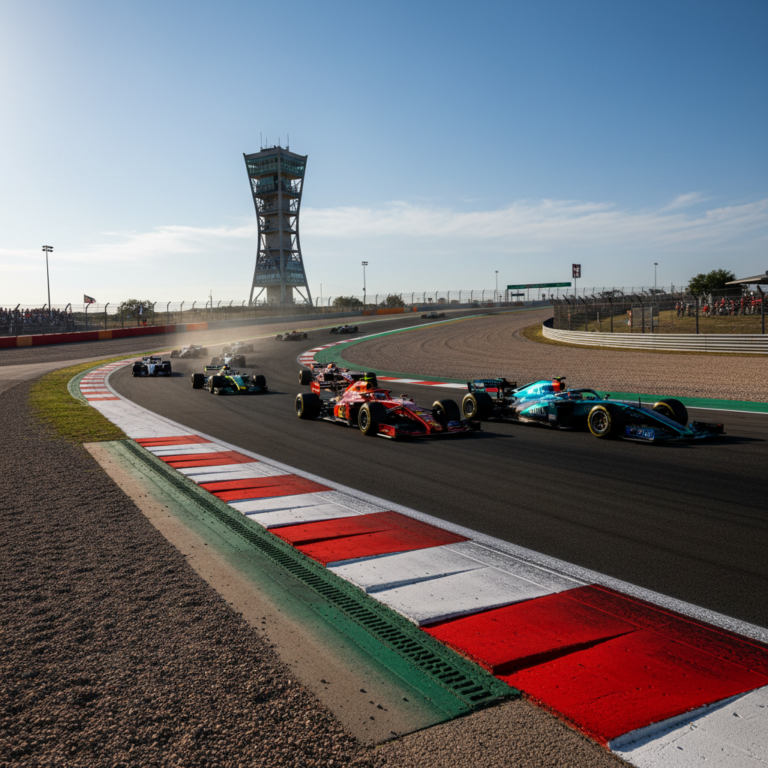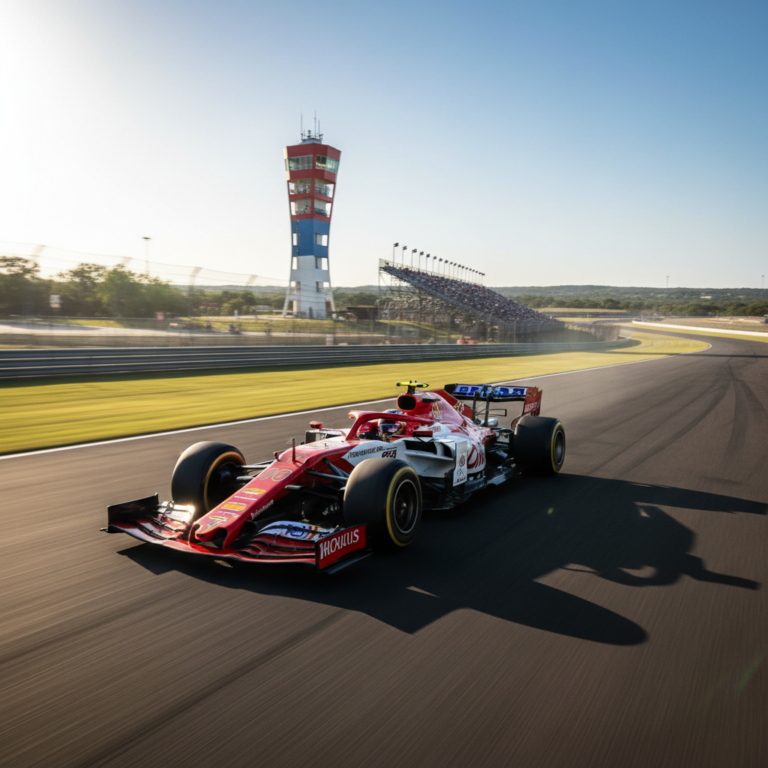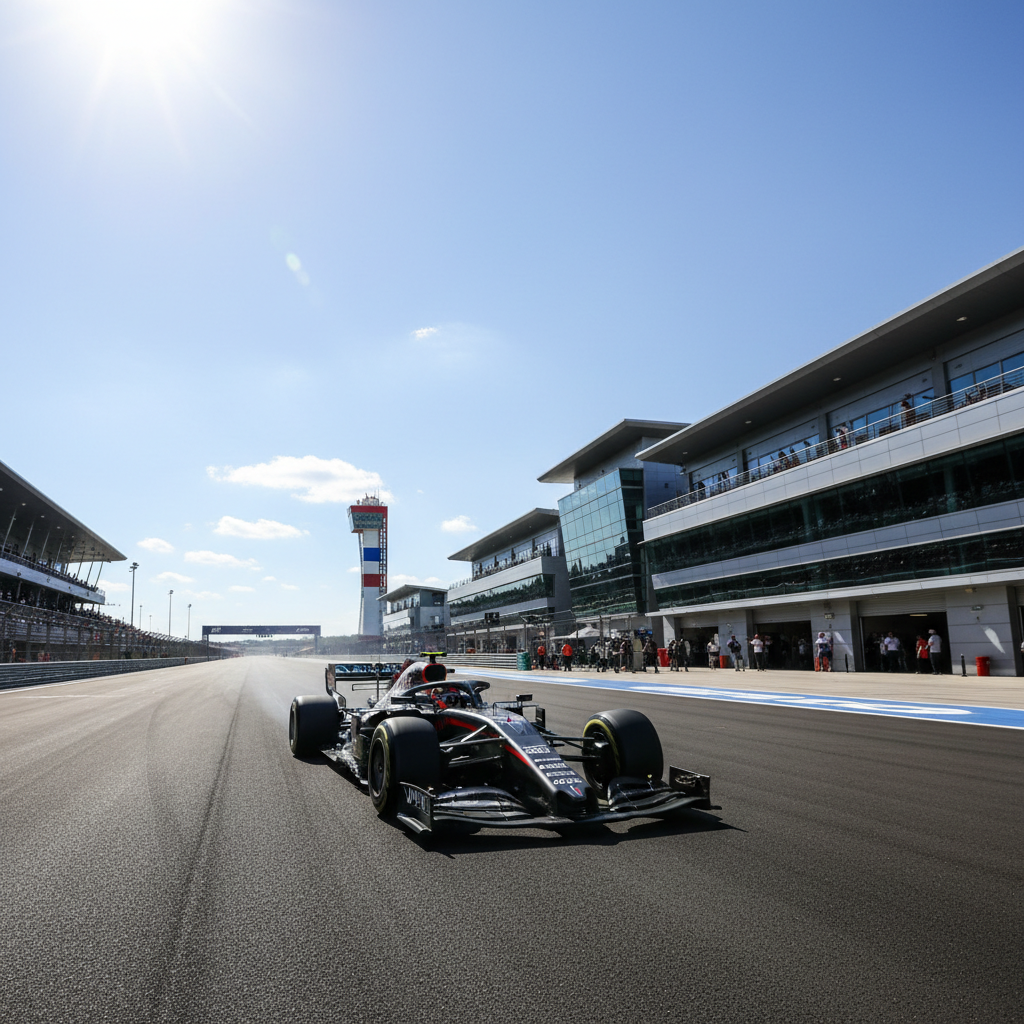
The sun is beating down on the Circuit of the Americas, but the real heat in the Austin paddock isn’t coming from the Texas weather. It is coming from a quiet panic. As teams set up for this weekend’s United States Grand Prix, the current championship battle feels like a distraction. The real war is being fought on drawing boards and simulator screens. Formula 1 is preparing for its most radical rules shakeup in decades, and the pressure is starting to fracture the paddock.
The 50-50 Power Struggle
In 2026, the hybrid engines we know today are history. The sport is ditching the incredibly complex and expensive MGU-H, the component that captures energy from exhaust gases. Instead, F1 is pivoting to a simple, brutal formula: a 50-50 split between internal combustion power and electrical energy. It is a massive push toward sustainability. It is also an engineering nightmare.
Without the MGU-H to harvest energy constantly, teams face a bizarre problem. On long straights, the battery could run completely dry. Critics quickly warned of a ridiculous scenario where drivers would have to downshift on straights just to charge their batteries. To prevent this, the governing body, the FIA, had to rewrite the aerodynamic rulebook.
Active Aero and the Simulator Horror Show
The solution to the power drop is active aerodynamics. This is not just a slightly bigger DRS flap. The 2026 cars will feature wings that morph on the fly.
Drivers will use two primary modes. There is Z-mode for corners, which opens up wing elements to push the car into the tarmac. Then comes X-mode for straights, flattening the wings to slash drag and keep the car moving fast even when the battery is empty.
It sounded brilliant on paper. In the simulator, it was a disaster.
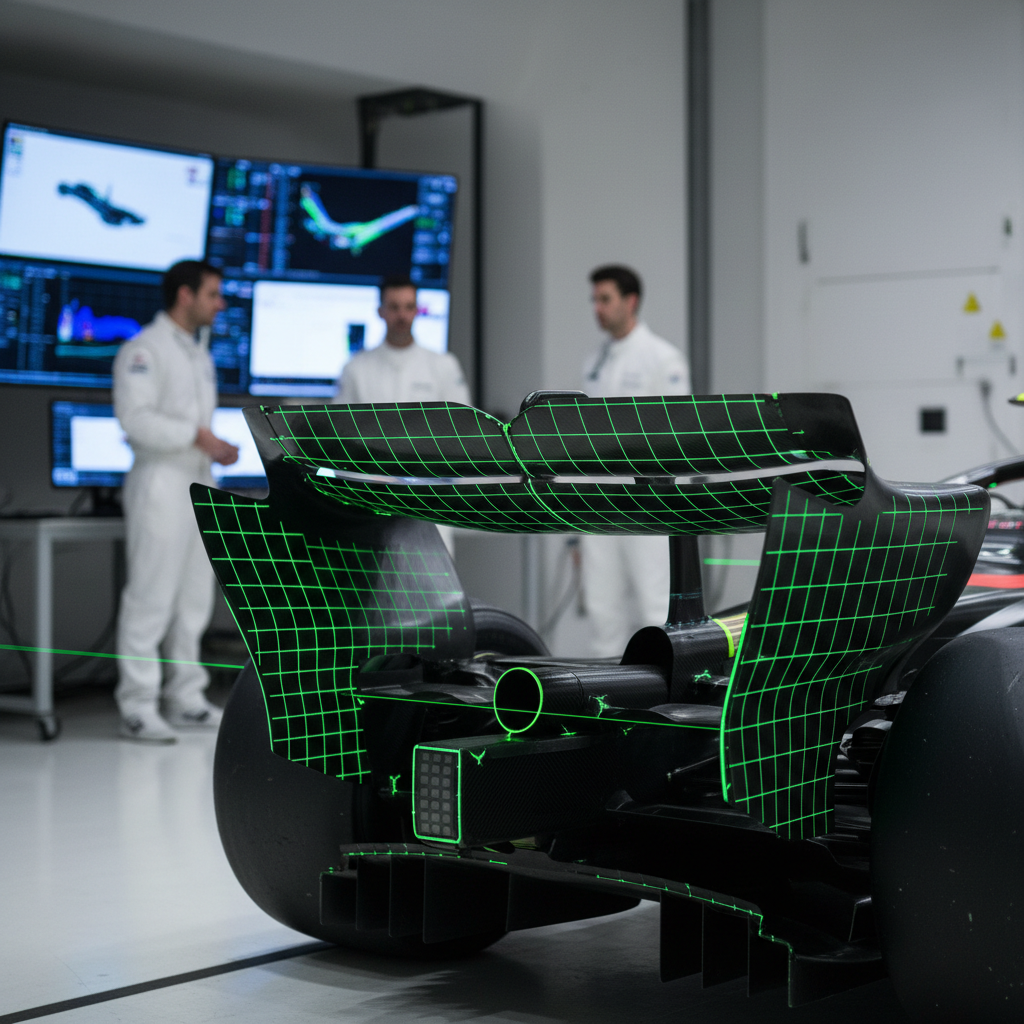
Early simulation runs left drivers spinning out on straightaways. The moment the rear wing flattened into X-mode, the car lost all rear grip while the front wing kept pushing down. The cars became completely undriveable. The FIA quickly pivoted, mandating that both the front and rear wings must move in tandem to keep the balance stable. Still, the band-aid fix has not stopped the complaints. Drivers like Max Verstappen have openly questioned whether the sport is losing its soul to artificial gimmicks.
The 2026 Manufacturer Shakeup
The stakes are higher than just weird handling. The new engine rules have triggered a massive corporate land grab. Honda is leaving Red Bull to partner with Aston Martin. Ford is stepping in to help Red Bull build its own engine from scratch. Audi is buying Sauber to enter the sport as a full works team.
This has created a frantic game of musical chairs. Engineers are being headhunted with massive pay packets. Secrets are walking out the door. If a team gets the 2026 engine wrong, they face years of embarrassment on a global stage.
Balancing Today with Tomorrow
This brings us back to Austin. Under the current cost cap, teams cannot simply spend their way out of a corner. Every dollar spent on upgrading the 2024 car for the United States GP is a dollar taken away from 2026 research.
Teams are bringing major upgrade packages to COTA this weekend. Red Bull, McLaren, and Mercedes are all fighting for wins. But behind the pit wall, team bosses are constantly looking at the clock. Do they chase a trophy now, or do they sacrifice the present to secure their future?
The lights will turn green on Sunday, and the crowd will roar. But the real race is already happening behind closed doors, and nobody knows who is winning.
About the Author