European football is facing a quiet medical emergency. Walk into any top-flight training ground in England, Spain, or Italy right now, and the conversation is identical. It centers on the back of the leg. Specifically, the hamstring. Across Europe’s elite divisions, these crucial muscles are tearing, straining, and snapping at an unprecedented rate.
It is not just bad luck. It is the predictable consequence of a football calendar that has finally pushed human biology past its breaking point. As clubs grapple with a bloated autumn schedule, players are paying the price in real-time.
The Autumn Spike by the Numbers
Data from sports science groups paints a bleak picture. Soft-tissue injuries, particularly hamstring tears, have surged by over 20% this autumn compared to the same period in previous seasons. The reasons are painfully obvious. The winter break has vanished for many, pre-season tours are now multi-continental commercial crusades, and the matches themselves are faster and more physical than ever before.
When fatigue sets in, the nervous system slows down. It fails to fire muscles in the millisecond windows required during a high-speed sprint. The result? A sudden pull, a player clutching the back of their thigh, and a six-week spell on the sidelines.
The Fuel Behind the Fire
This season, the pressure has reached boiling point. The culprit is a perfect storm of competition restructuring. UEFA redesigned its flagship tournaments this year. The Champions League, Europa League, and Conference League now feature a “Swiss model” league phase. This change added two extra high-intensity matches to the winter schedule for every single participating team.
But the real dread lies on the horizon. FIFA is launching an expanded, 32-team Club World Cup in the United States at the end of this season. For elite players, the summer of 2025 will offer no rest. Immediately after that, the runway begins for the monster 48-team 2026 World Cup.
The cycle has become entirely continuous. There is no longer an off-season. There is only active play and active recovery.
The Human Cost on the Pitch
Managers are losing their minds, and their stars. We have seen squads gutted before November. Squad rotation is no longer a tactical choice; it is a survival mechanism. Yet, even the deepest squads are buckling under the strain.
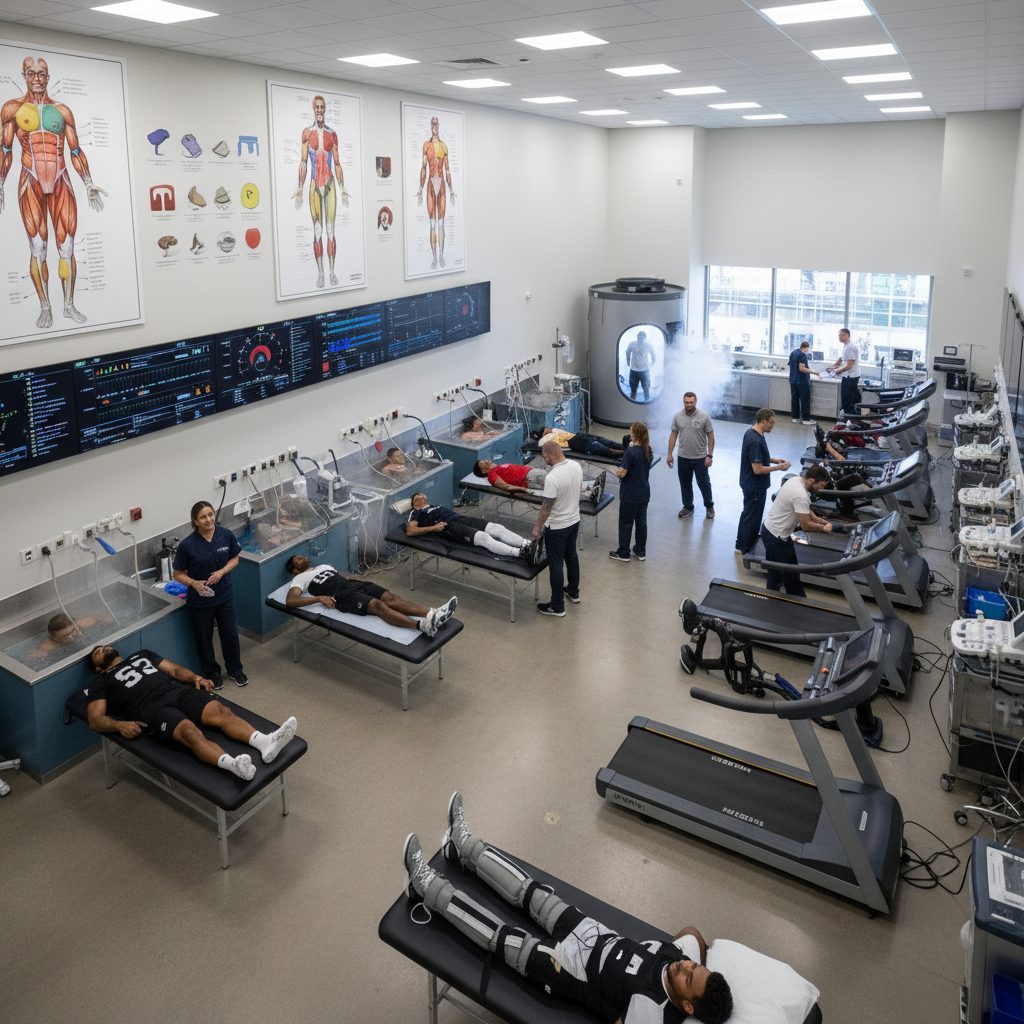
“The human body has limits,” says Dr. Andreo Spina, a sports physical therapist who works with elite athletes. “When you ask players to sprint 30 or 40 times a game, twice a week, without adequate sleep and recovery, the hamstring acts like an overstretched rubber band. Eventually, it snaps. No amount of ice baths or massage can override basic physics.”
The frustration among players is turning into outright rebellion. Rodri, the Manchester City midfielder, openly warned of a player strike just weeks before he suffered a season-ending knee injury. While his injury was an ACL tear, the underlying cause—chronic fatigue—is exactly the same mechanism that is claiming dozens of hamstrings every weekend.
Where Does the Sport Go From Here?
- Squad bloating: Clubs may have to carry 30-plus senior players just to survive the winter.
- Legal action: Player unions like FIFPRO are already taking legal steps against FIFA over the match calendar.
- Diluted quality: Fans are paying premium prices to watch tired, second-string lineups as stars sit in the stands.
Governing bodies seem deaf to the warnings. Every new tournament represents fresh broadcast revenue, bigger sponsorships, and more global reach. But the product on the pitch relies entirely on the physical health of its actors. If the game’s decision-makers continue to treat elite athletes like machines, the hamstring crisis of this autumn will look like a mild warmup for what is to come.
About the Author