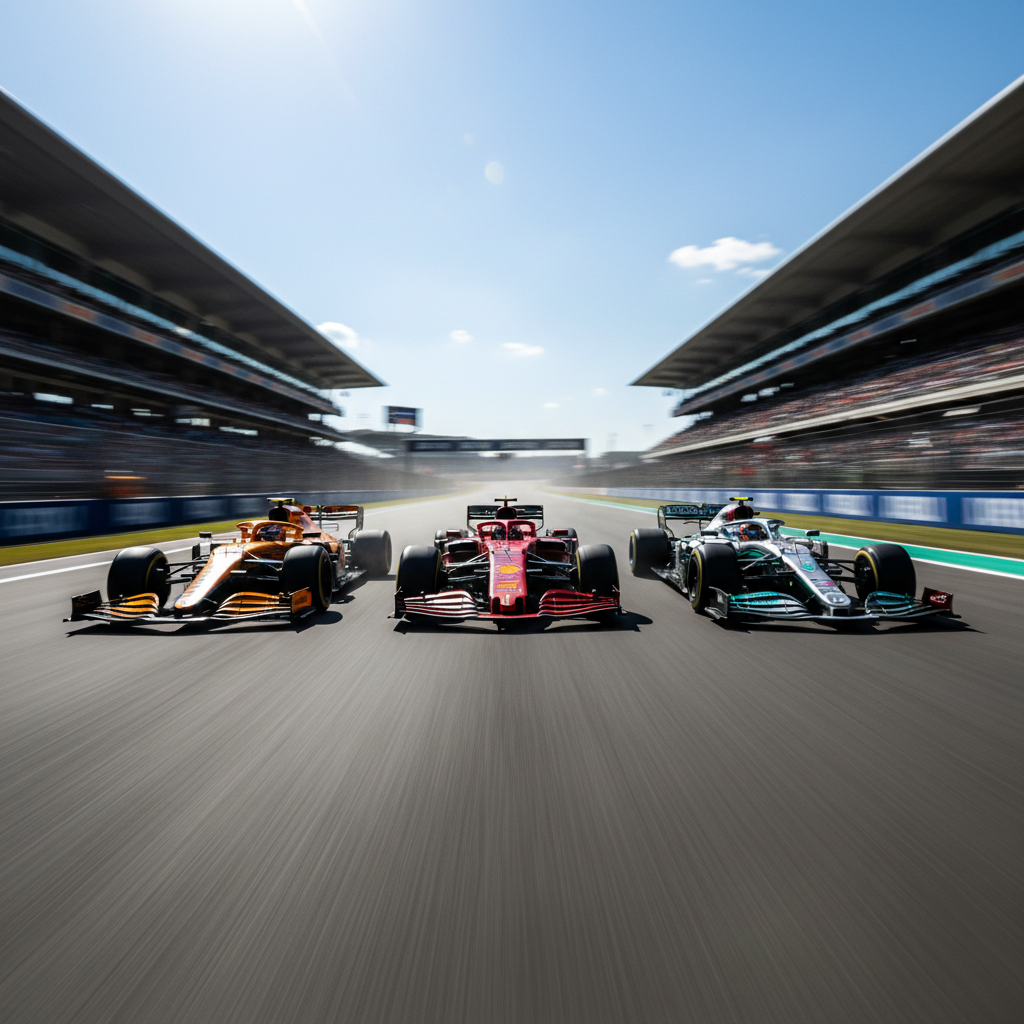
Formula One is currently eating itself. In the best possible way.
For nearly two years, the sport was a predictable parade. Max Verstappen cruised to victory after victory, making the podium ceremonies feel like groundhog day. But as the paddock arrives at the Circuit of the Americas for the United States Grand Prix, that era of absolute dominance is dead. Instead, we have a glorious, unpredictable three-way scrap between McLaren, Ferrari, and Mercedes.
To understand why the grid has suddenly turned upside down, you have to look ahead. Specifically, to 2026. The massive looming engine and aerodynamic regulation changes are already rewriting the competitive order today, forcing teams into a high-stakes game of resource allocation that has broken Red Bull’s stranglehold.
The 2026 Shadow Campaign
In 2026, Formula One will debut a radical new engine formula. The sport is moving to a 50/50 power split between the internal combustion engine and electrical energy, alongside active aerodynamics. For engine manufacturers and chassis designers, this is a clean-sheet redesign. It requires billions of dollars and thousands of man-hours.
Crucially, this work must be done under a strict budget cap. Teams cannot simply throw unlimited money at both the present and the future. They have to choose. Do they extract the final tenths of a second from their current cars, or do they shift their best minds to the 2026 project?
This dilemma has caught Red Bull in a pincer movement. While trying to defend their titles, the Milton Keynes squad is also building their own engine division, Red Bull Powertrains, from scratch with Ford. It is a monumental task. The sheer distraction of setting up a new engine plant has undoubtedly taken a toll. Add in the high-profile departure of design guru Adrian Newey, and the reigning champions suddenly look vulnerable.

McLaren’s Meteoric Rise
While Red Bull hesitates, McLaren has seized the moment. Under the calm leadership of team principal Andrea Stella, the Woking-based outfit has developed the most versatile car on the grid. The MCL38 has no real weaknesses.
Lando Norris and Oscar Piastri are no longer just fighting for podiums; they are hunting for wins every weekend. McLaren has managed to iterate their current aerodynamic concept flawlessly without sacrificing their long-term 2026 planning. Their wind tunnel is working overtime, and the results speak for themselves. They now lead the constructors’ standings, a feat that seemed impossible eighteen months ago.
Ferrari and Mercedes Join the Fray
It is not just a two-horse race. Ferrari has quietly rebuilt its season. After a mid-summer slump caused by a floor upgrade that introduced high-speed bouncing, Fred Vasseur’s team has bounced back. Charles Leclerc’s emotional victory at Monza proved that the Scuderia can still execute perfect races under immense pressure. Carlos Sainz remains a formidable threat. Ferrari’s tire management, once their biggest Achilles’ heel, is now a strength.
Then there is Mercedes. Toto Wolff’s squad spent two painful years wandering in the ground-effect desert. They finally found their way out this summer. Dramatic wins for Lewis Hamilton and George Russell before the summer break showed that the Silver Arrows have unlocked the secrets of this generation of cars. While they still suffer from occasional temperature-related performance drops, they are fast enough to beat anyone on their day.
A Chaotic Finish in Austin
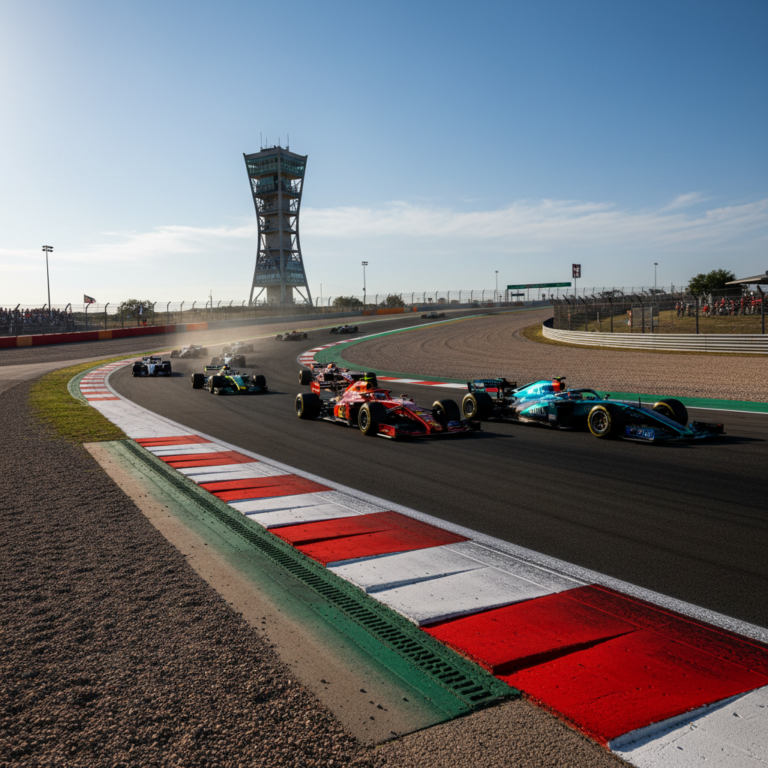
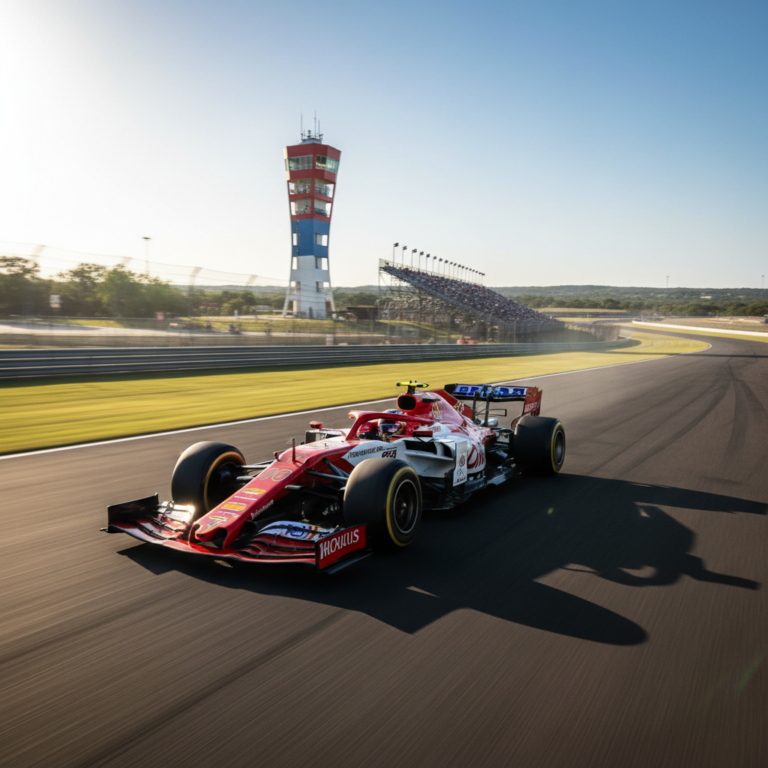
This brings us to Austin. The Circuit of the Americas is a brutal test of a modern F1 car. Its mix of high-speed sweeping corners, a massive straight, and bumpy, low-speed sections means there is nowhere to hide. If a car has an aerodynamic imbalance, Austin will expose it.
With six Grands Prix and three Sprint races left, the championship is wide open. Verstappen still leads the drivers’ standings, but his lead is shrinking. In the constructors’ race, it is a free-for-all. McLaren is defending, Ferrari is charging, and Mercedes is waiting to play the spoiler.
The 2026 regulations were designed to shake up Formula One. What the rulemakers did not realize is that the chaos would start two years early.
About the Author