The Invisible Shadow Over Austin
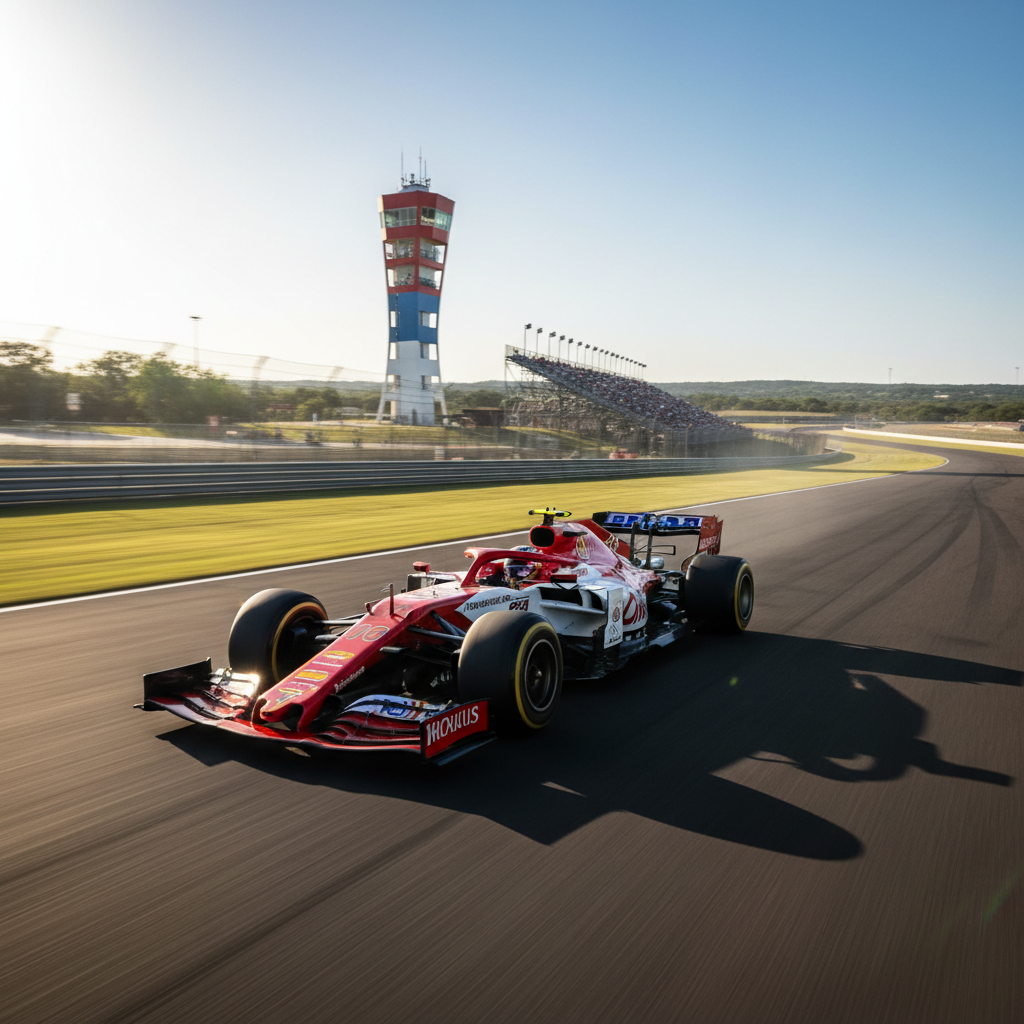
Formula 1 lands at the Circuit of the Americas this weekend for the United States Grand Prix. On paper, it looks like a straightforward sporting drama. Max Verstappen is fighting to defend a shrinking championship lead against Lando Norris. The Austin crowds are expecting high-speed duels and plenty of dust. But beneath the surface, a much larger, quieter battle is dictating who actually has the upper hand on track.
It is the looming shadow of 2026.
The sport is on the cusp of its most radical engine overhaul in a generation. When the new rules arrive in 2026, hybrid power units will shift to a nearly equal split between internal combustion and electrical power. Active aerodynamics will become mandatory. Cars will run on 100% sustainable fuels. It is an engineering mountain to climb. It is also a massive financial trap for the teams trying to win right now.
The Resource Cap Dilemma
Under F1’s strict cost cap, teams cannot simply hire more staff or build new facilities to handle this double workload. They have to split their forces. Every dollar spent on developing the current car is a dollar taken away from the 2026 project. It is a brutal balancing act.
This dilemma explains why the competitive order has shifted so dramatically over the summer. Some teams have already shifted their primary focus forward, while others are still pouring energy into the current season.
Take Red Bull. For years, they dominated without effort. Now, they are visibly struggling to keep their car balanced. A major reason is the monumental task of building their very first engine. The Red Bull Powertrains division, partnered with Ford, is starting completely from scratch in Milton Keynes. It is a massive drain on the team’s overall focus and executive brainpower.
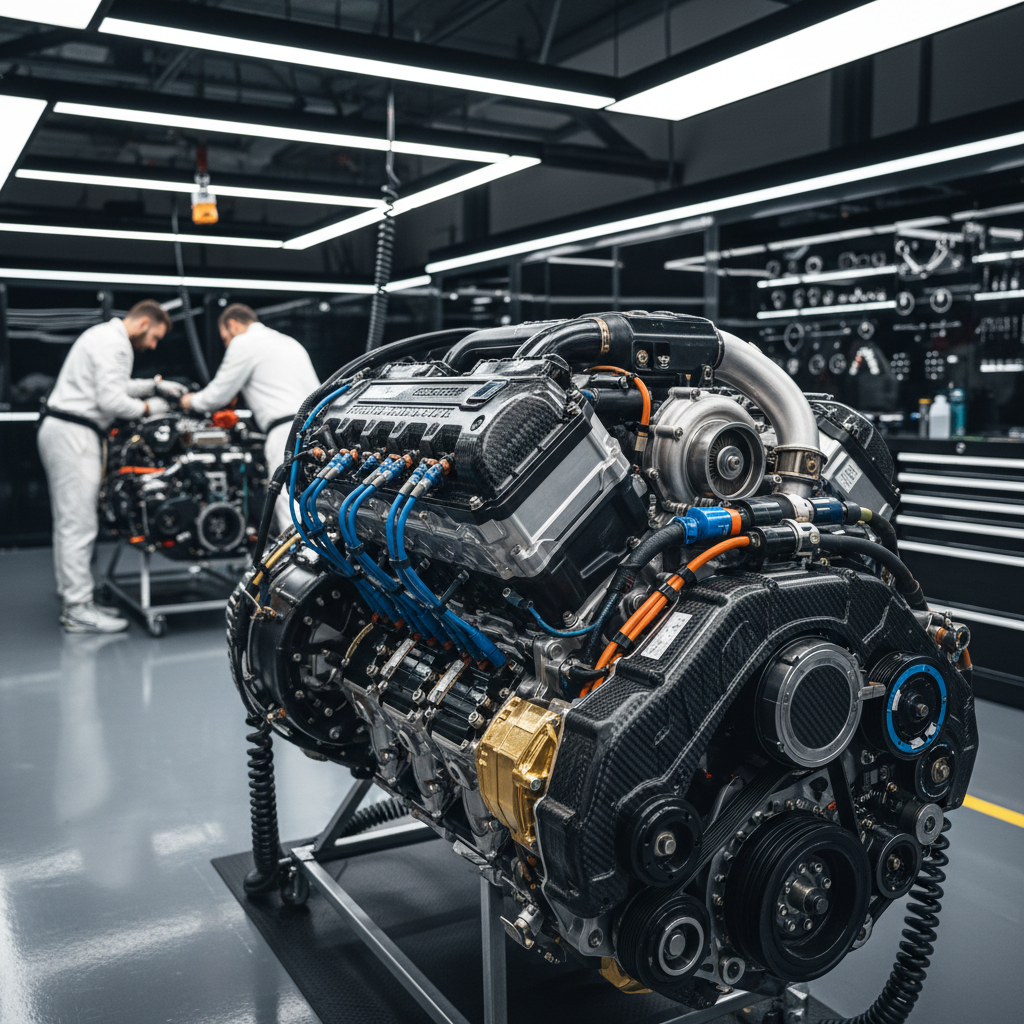
Meanwhile, McLaren has soared. As a customer team, they do not have to worry about building an engine from scratch. Mercedes handles that development in Brixworth. That freedom has allowed McLaren to focus their design department almost entirely on perfecting their current aerodynamic package. They have upgraded their car relentlessly, turning it into the fastest machine on the grid while their rivals look over their shoulders.
The Multi-Million Dollar Gamble
“The resource allocation is a daily headache,” says one senior paddock engineer, speaking on condition of anonymity. “Every run we do in the wind tunnel for the current car is a run we aren’t doing for the 2026 chassis. If you drop the ball on 2026, you might be uncompetitive for five years. But if you stop developing now, you look foolish on TV next Sunday.”
Then there is Ferrari. The Scuderia has quietly restructured its engine department to prepare for the change. Their early preparation was a major selling point in convincing Lewis Hamilton to leave Mercedes for Maranello next year. Hamilton knows that whoever gets the new power unit right will dominate the sport, just as Mercedes did back in 2014. By focusing early, Ferrari has occasionally stumbled this year, but they are playing the long game.
The technical shift is massive. The 2026 power units will lose the complex MGU-H, which recovered energy from exhaust gases. Instead, they will rely heavily on a much larger MGU-K, recovering kinetic energy under braking. Drivers will have to manage how they deploy this power, leading to fears of cars losing speed on long straights. Solving this problem requires complex software simulations—work that is happening in the background right now.
What to Expect at COTA
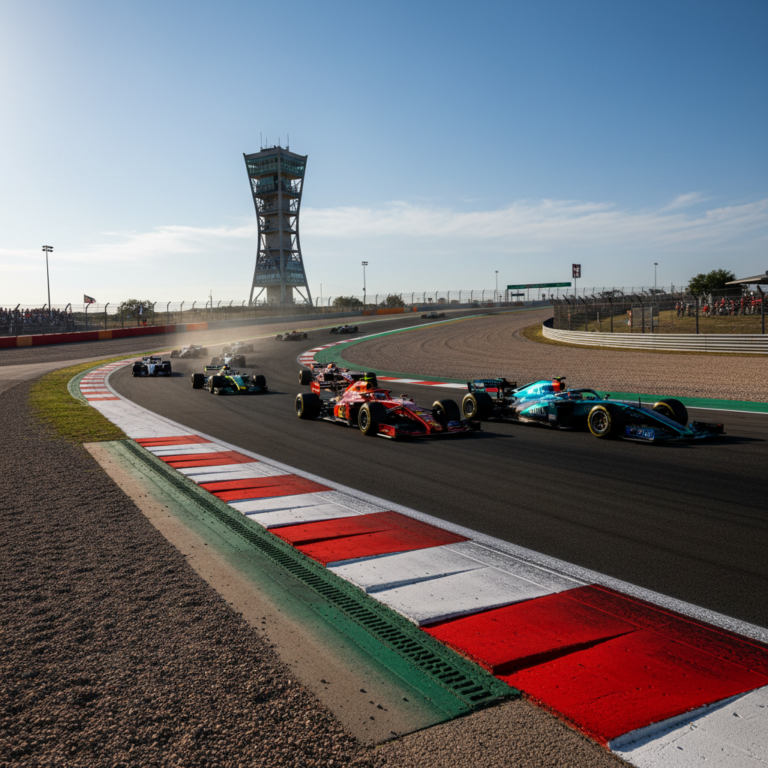
This weekend’s race in Austin will highlight these engineering cracks. The Circuit of the Americas is a brutal track. Its sweeping Esses and heavy braking zones demand a car that works perfectly. Red Bull is bringing a vital floor upgrade to Texas to help Verstappen hold off the charging McLaren of Norris. It is a high-stakes gamble.
Because Austin is a sprint weekend, teams get only one hour of practice before competitive sessions begin. There is no time to waste. As the cars head out onto the track, the stopwatches will tell one story. But the real outcome of this championship might already have been decided in quiet design offices months ago, by engineers looking far beyond the Texas horizon.
About the Author