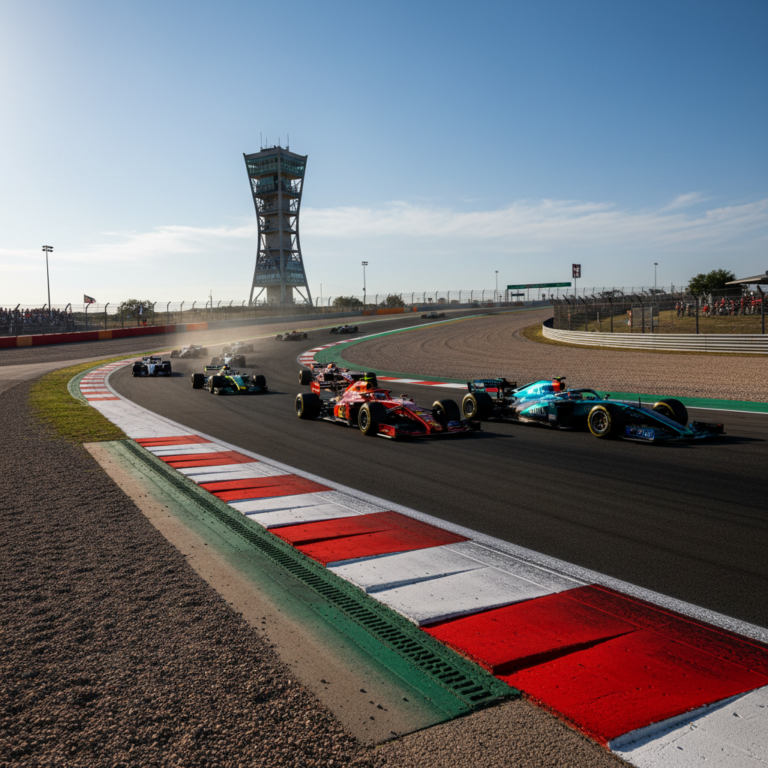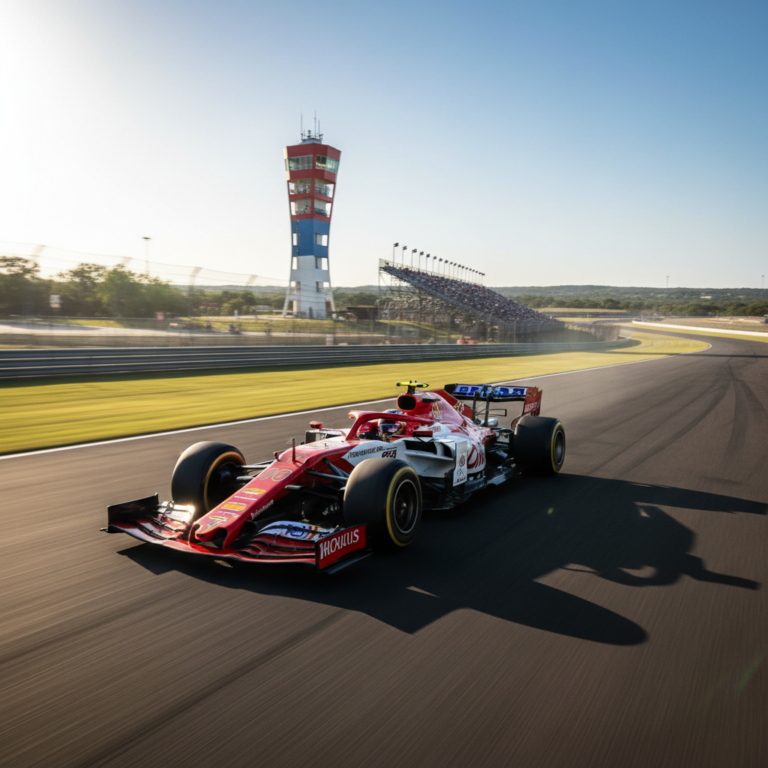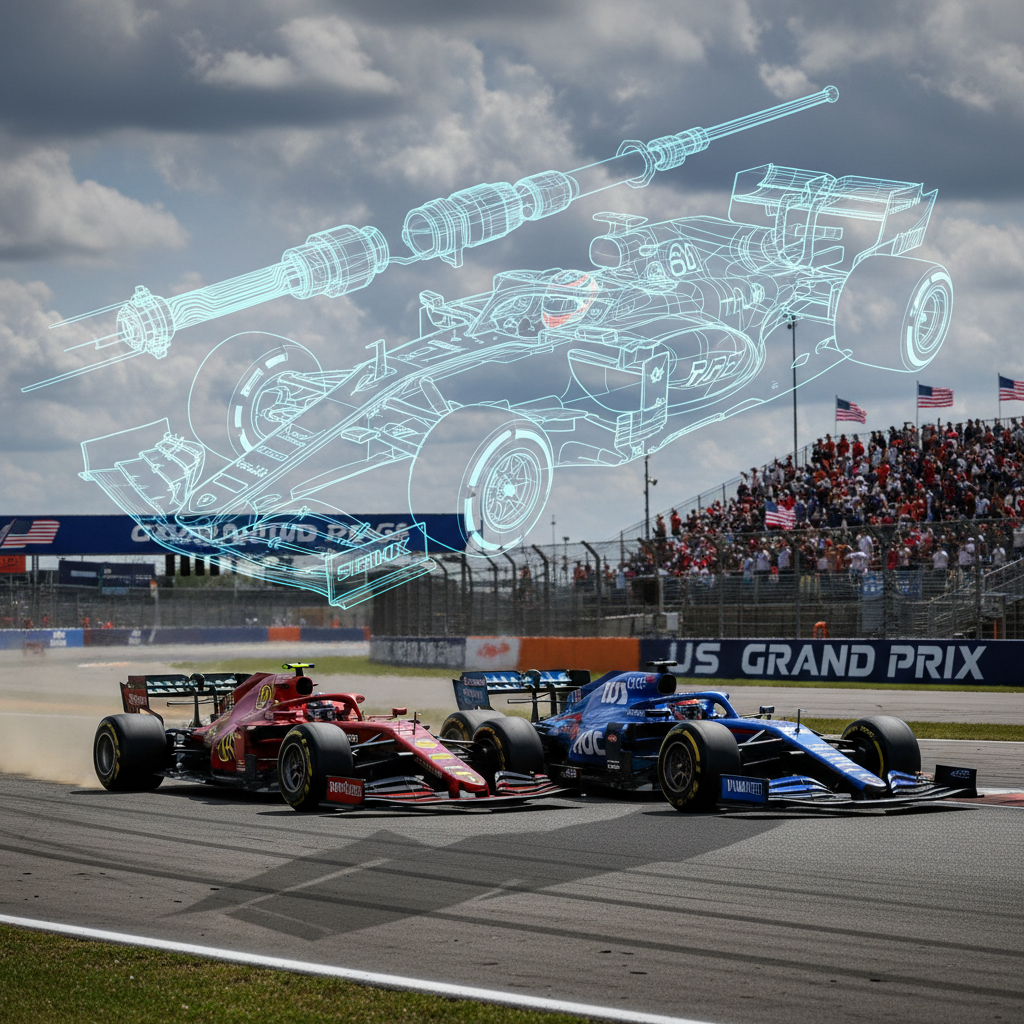
Austin is ready. The Circuit of the Americas is bumpy, fast, and notoriously unforgiving. As the transport trucks roll into the paddock for this weekend’s United States Grand Prix, the atmosphere is charged with immediate tension. On paper, we are looking at a classic, straight-line championship fight. Max Verstappen wants to defend his crown. Lando Norris is desperate to snatch it away. But behind the garage doors, a much larger shadow looms over the entire grid.
The year 2026 is coming, and it is changing how teams race today.
The Multi-Million Dollar Dilemma
The upcoming technical overhaul is the most radical restructuring of Formula 1 rules in a generation. It splits power output evenly between a high-tech internal combustion engine and a massive battery system. It also introduces active aerodynamics—movable front and rear wings designed to reduce drag on the straights. Because of this massive shift, every engineering decision made in Austin this weekend is being filtered through a 2026 lens.
Under the strict cost cap, teams cannot simply buy their way out of a performance deficit. They have to choose how to spend their limited hours in the wind tunnel. Do you push all your chips into the current development cycle? Or do you sacrifice the present to ensure you are not left behind for the next decade?
It is a brutal balancing act. Every dollar spent tuning a front wing for this Sunday is a dollar that cannot be spent on the future.
Different Tactics for Different Teams
McLaren has clearly chosen to live in the moment. Their wind tunnel is humming, delivering a steady stream of upgrades that have turned the MCL38 into the quickest car on the grid. They smell a championship. Verstappen’s Red Bull, meanwhile, has looked twitchy and stubborn for months, leaving the reigning champion defending a shrinking lead.

Yet, Red Bull faces a unique headache. They are currently building their very first power unit in-house alongside Ford for 2026. It is a monumental task for a team that has historically relied on external partners like Honda. Team boss Christian Horner knows the stakes are high. If Red Bull stumbles out of the gate in 2026, keeping Verstappen long-term becomes incredibly difficult. Yet, they cannot afford to simply let the 2024 trophy slip through their fingers in Texas.
The Waiting Game
To keep the playing field level, the FIA has banned teams from doing any aerodynamic wind tunnel or computational fluid dynamics (CFD) work on the 2026 cars until January 1, 2025. That means the upcoming winter will be a frantic, sleepless sprint for every design department in the sport. Until then, engineers are restricted to mechanical designs and engine testing.
For established manufacturers like Ferrari and Mercedes, this transition period offers a slight safety net. They already possess the infrastructure to run massive parallel projects. Ferrari is bringing a final, major floor upgrade to Austin, hoping to unlock the last bit of pace from their current concept before shifting their focus entirely.
Mercedes is caught in a trickier position. They are fast on their day but wildly inconsistent. Toto Wolff has been open about using the remaining races of this year as a testbed. They want wins, but they also want to ensure they do not repeat the mistakes of 2022, when they misjudged the ground-effect rules and spent three long seasons playing catch-up.
The Long Game at COTA
When the green light flashes on Friday for the sole practice session of the weekend, the immediate focus will be on the tarmac. Drivers will complain about the bumps, teams will scramble to find the right ride height, and strategists will fret over tire wear on the abrasive Texas asphalt.
But the real battle is happening on computer screens and in budget spreadsheets. The choices made in the paddock this weekend will decide who hoists the trophy in November—and who dominates the grid for years to come.
About the Author