From Austin Chaos to High-Altitude Survival
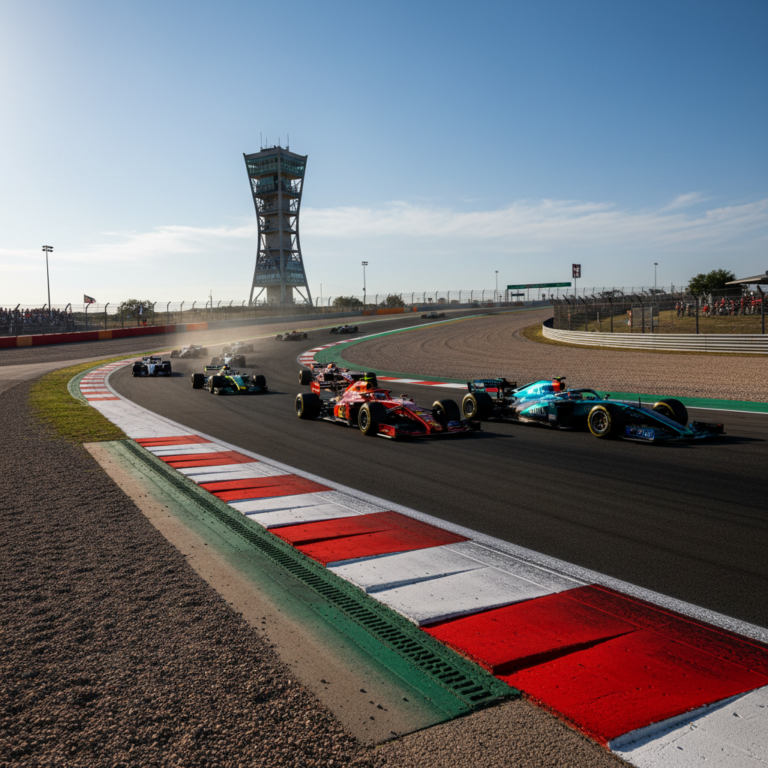
Formula 1 barely had time to catch its breath after a chaotic, controversial weekend at the United States Grand Prix in Austin. Before the dust could even settle on the track-limit penalties and the intense battle between Max Verstappen and Lando Norris, teams had to pack up and head south. The destination? Mexico City.
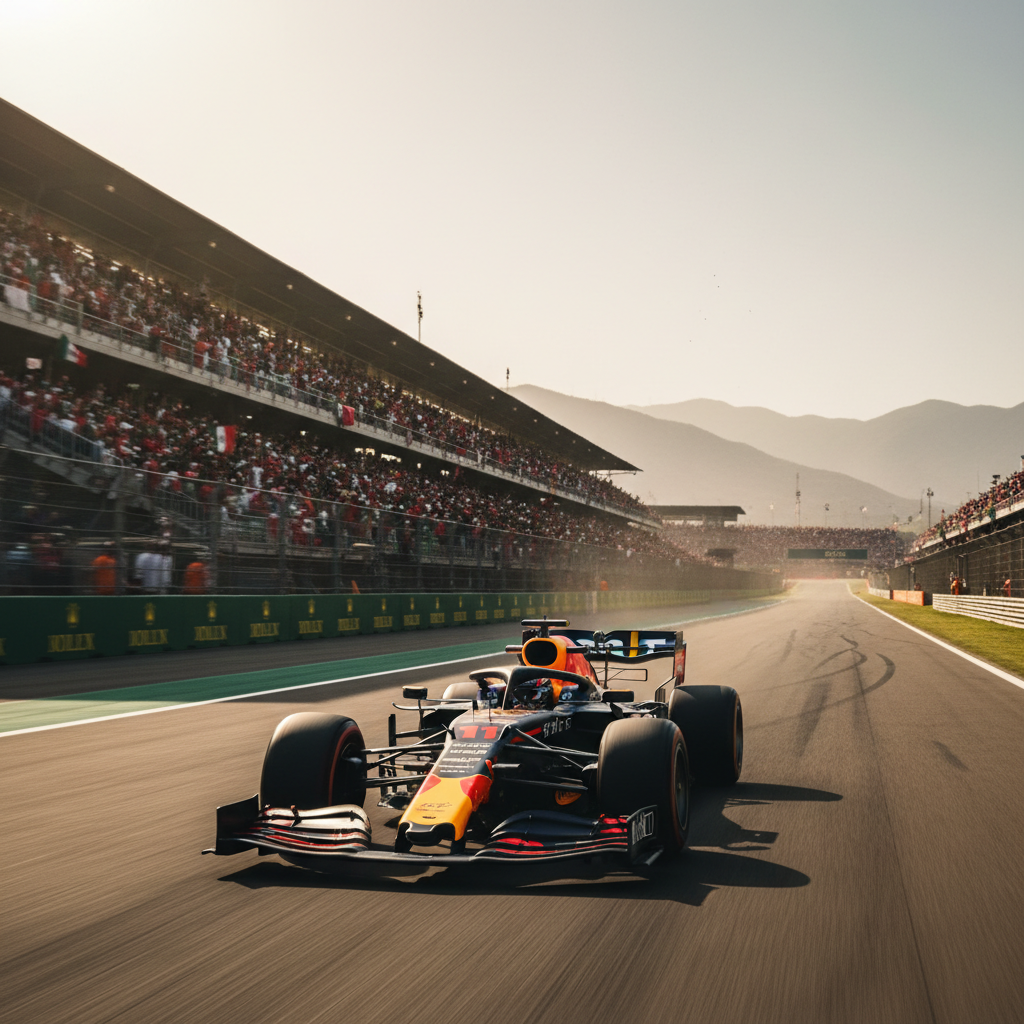
If Austin was a test of suspension compliance and tire management on a bumpy surface, the Autódromo Hermanos Rodríguez is a completely different beast. It is a pure survival test for power units. The thin air of Mexico City pushes cooling systems to their absolute limits, and the lessons learned here are reverberating all the way to the design offices working on the upcoming 2026 engine regulations.
The Thin Air Dilemma
The geography of Mexico City creates a unique engineering nightmare. At 2,240 meters above sea level, the air is thin. Really thin. There are fewer air molecules, which means cars experience much less aerodynamic drag down the massive main straight. It also means there is less downforce, forcing teams to run Monaco-spec high-downforce wings just to get medium-downforce grip levels.
But the biggest headache is thermal management. Air is the primary medium used to cool a Formula 1 car’s radiators, brakes, and hybrid systems. When the air is thin, it is far less effective at carrying heat away. To make matters worse, the turbocharger has to spin much faster to force enough oxygen into the internal combustion engine to maintain power. This extra workload generates even more heat, creating a vicious cycle that can easily lead to catastrophic engine failures.
Red Bull-Ford’s High-Stakes Simulation
While the current grid is fighting for the 2024 championship, engine departments in Milton Keynes and Maranello are looking ahead. The 2026 engine regulations represent a massive shift. The complex MGU-H is being dropped, and the electrical output of the hybrid system is skyrocketing to nearly 50% of the total power. Cooling these massive new batteries and electrical components is a major engineering hurdle.

For Red Bull Powertrains, which is partnering with American giant Ford to build its first-ever in-house engine for 2026, the altitude of Mexico is a critical test case. Inside their state-of-the-art facility in Milton Keynes, dynos have been running simulations designed to mimic the thin air of the Mexican capital.
Sources close to the project suggest that managing the heat rejection of the new 2026 battery pack under these simulated conditions is proving to be incredibly difficult. Without decades of historical engine data to rely on, Red Bull-Ford engineers are having to learn on the fly. Every bit of data gathered from Honda’s current power unit behavior in Mexico this weekend will be poured over to validate their 2026 thermal models.
Ferrari’s Aerodynamic Compromise
Over in Maranello, Ferrari faces a different set of challenges. Historically, the Scuderia has struggled with cooling packaging at high-altitude venues. In past years, they have had to open up massive cooling gills on the engine cover in Mexico, ruining the car’s aerodynamic efficiency just to keep the power unit from melting.
For their 2026 project, Ferrari engineers are desperate to avoid this compromise. They want a tight, shrink-wrapped rear bodywork design to maximize aerodynamic performance. However, the sheer thermal output of the 2026 electrical systems makes this a dangerous gamble. Enrico Gualtieri, Ferrari’s power unit director, has previously acknowledged that balancing thermal packaging with aerodynamics is the single biggest hurdle of the new regulations. The data collected from their current power units running through the thin air of Mexico this weekend will directly influence the final architecture of their 2026 engine cover.
The Immediate Battle
Of course, there is still a race to win this weekend. Ferrari is riding high after Charles Leclerc led a dominant one-two finish in Austin, putting them right back into the constructors’ championship conversation. Meanwhile, Red Bull is desperately trying to give Verstappen a car capable of holding off Norris’s charging McLaren.
But behind the garage doors, the focus is split. Engineers will be watching the telemetry like hawks. Every spike in battery temperature, every fluctuation in turbo speed, and every drop in cooling efficiency will be analyzed. The battle for the 2024 trophy is happening on the track, but the quiet war for 2026 dominance is being fought in the radiators and dynos.
About the Author