A New Chapter Under Shubman Gill
The selectors have made their move. On Tuesday evening, the BCCI announced a transition-heavy Indian squad for the upcoming multi-format home series against South Africa, scheduled to begin this November. It is a roster that clearly signals the future. Shubman Gill is now firmly at the helm of the white-ball teams, taking over the captaincy in a move that formalizes India’s long-term leadership strategy.
Key veterans are sitting this one out. Instead, the selection committee, led by Ajit Agarkar, has thrown the doors open for domestic standout performers.
For Gill, this is the ultimate test. While the 27-year-old has captained interim sides before, the November series against a formidable Proteas lineup marks his official start as the undisputed leader of the transition era. With veteran stars slowly phasing out of the shorter formats after the recent ICC cycles, Gill’s appointment brings a sense of permanence. Rishabh Pant will serve as his deputy for the three-match One-Day International (ODI) series, while Suryakumar Yadav continues to guide the T20I squad with Gill as his vice-captain. This dual-role setup shows the selectors are keen on grooming multiple leadership options.
Rest for Key Pacers and the Workload Puzzle
The workload management of India’s bowling spearheads remains a priority. Jasprit Bumrah and Mohammed Siraj have both been rested for the white-ball leg of this tour. Senior all-rounder Hardik Pandya also misses out on the ODI squad, though he remains a key figure for the T20Is.
“We need to look at the larger picture,” a senior BCCI official privy to the selection meeting whispered on the condition of anonymity. “The calendar is relentless. Resting our premier fast bowlers now ensures they are fresh for the grueling red-ball season ahead.”
Fresh Blood: Meet the Uncapped Additions
But the real talking point lies in the fresh faces. Two uncapped domestic giants have earned their maiden national call-ups. The selected players include:
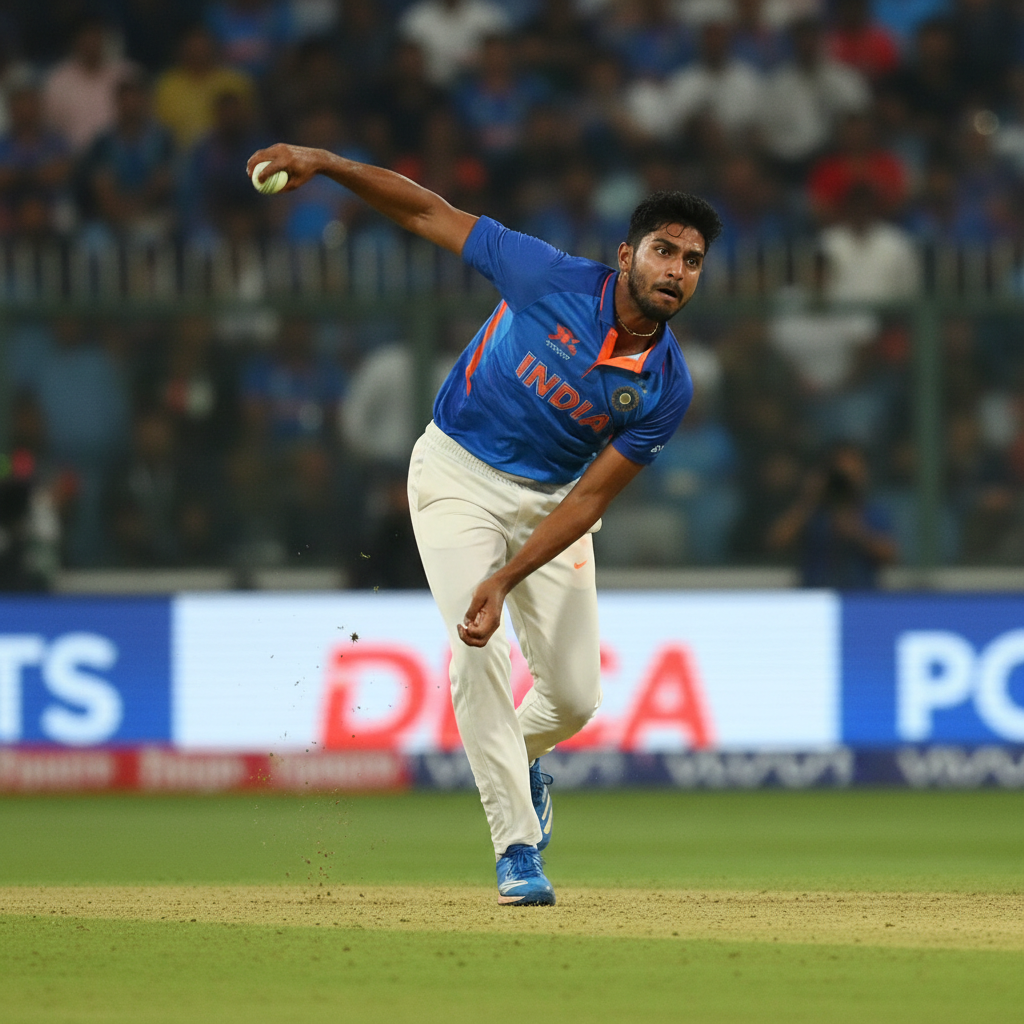
- Ayush Mhatre: The 20-year-old Mumbai batting sensation who compiled over 900 runs across domestic formats this year.
- Anshul Kamboj: Haryana’s right-arm medium-pacer who took the domestic circuit by storm with a historic ten-wicket haul in a single innings.
Mhatre’s staggering run-scoring spree in the Ranji Trophy and Syed Mushtaq Ali Trophy showed a level of maturity that belies his age. Meanwhile, Kamboj brings raw pace and relentless accuracy, elements the Indian team management is eager to integrate into the national setup.
The Wicketkeeper Dilemma and Bowling Depth
The wicketkeeping slots also reflect this forward-looking approach. Sanju Samson retains his place in the T20I squad following a string of explosive victories in domestic and international games. He will share the gloves with Pant, setting up a healthy rivalry for the starting XI. Samson’s ability to bat anywhere in the top five gives the team management incredible flexibility, a trait coach Gautam Gambhir has repeatedly emphasized during his tenure.
In the absence of Bumrah, the pace attack will be spearheaded by Arshdeep Singh. The left-arm seamer has grown into a reliable leader of the pack. He will be supported by Prasidh Krishna, who makes a welcome return to the national setup after recovering fully from his injury woes, and Harshit Rana, whose fiery spells in the IPL have earned him another look-in. This gives the bowling unit a fresh, aggressive look that could trouble the South African top order under lights.
Spin Strategy and Schedule
With Ravindra Jadeja focusing entirely on Test cricket, the spin department sees a fascinating mix of youth and experience. Axar Patel will lead the spin-bowling all-round duties alongside Kuldeep Yadav. However, the inclusion of Punjab’s young left-arm spinner Abhishek Sharma as a genuine utility option in T20Is adds immense balance. The selectors are clearly searching for players who can contribute with both bat and ball, a luxury India has sorely missed in tight tournament matches.
The tour kicks off on November 12 with the first of three T20Is in Bengaluru, followed by matches in Chennai and Mumbai. The action then shifts to the 50-over format, with the three ODIs scheduled for late November. South Africa is bringing a full-strength squad, fresh off their strong performances on the global stage. It is a massive test for India’s young brigade. Can they hold their own without the safety net of their senior statesmen?
Cricket fans won’t have to wait long to find out. This series is more than just a bilateral contest; it is a blueprint for India’s defense of their white-ball crowns in the coming years. Agarkar and his team have laid their cards on the table. The youth revolution in Indian cricket has officially begun.
About the Author