A Double-Front War in the Austin Paddock
Formula 1 arrives at the Circuit of the Americas in Austin this weekend with a genuine championship battle on its hands. Max Verstappen’s once-unassailable lead has shrunk to 52 points, with McLaren’s Lando Norris hunting him down. On paper, it is a straight-line sprint to the finish line in Abu Dhabi. But behind the garage doors, team principals are fighting a quiet, stressful war. They are looking at 2026, and it is ruining their current plans.
The sport is on the cusp of one of its most radical regulatory resets. In 2026, the cars will look, sound, and behave entirely differently. The engines will split power almost 50/50 between the internal combustion engine and a massive electrical battery system. The complex, expensive MGU-H is gone. Active aerodynamics will shrug drag on the straights. It is a clean sheet of paper. And in a world governed by a strict budget cap, that clean sheet is a massive headache.
The Budget Cap Trap
Under current financial regulations, teams are limited to spending roughly $135 million a year. You cannot simply throw money at both problems. Every dollar spent on upgrading a 2024 front wing to help win this year’s title is a dollar taken directly away from the crucial research and development phase of the 2026 car.
The dilemma is brutal. If a team freezes development now to focus on 2026, they risk throwing away a championship today. But if they push too hard to win now, they could start the 2026 era at the back of the grid. In Formula 1, getting a rule change wrong can consign a team to years of midfield misery. Mercedes dominated for nearly a decade because they nailed the 2014 hybrid rules. Nobody has forgotten that lesson.
Red Bull’s Identity Crisis
Nowhere is this tension more obvious than at Red Bull Racing. For the first time in their history, the Milton Keynes squad is building its own engine. The Red Bull Powertrains division, partnered with Ford, is working feverishly to create a competitive power unit for 2026. It is a monumental task for a company that has always been a customer team.
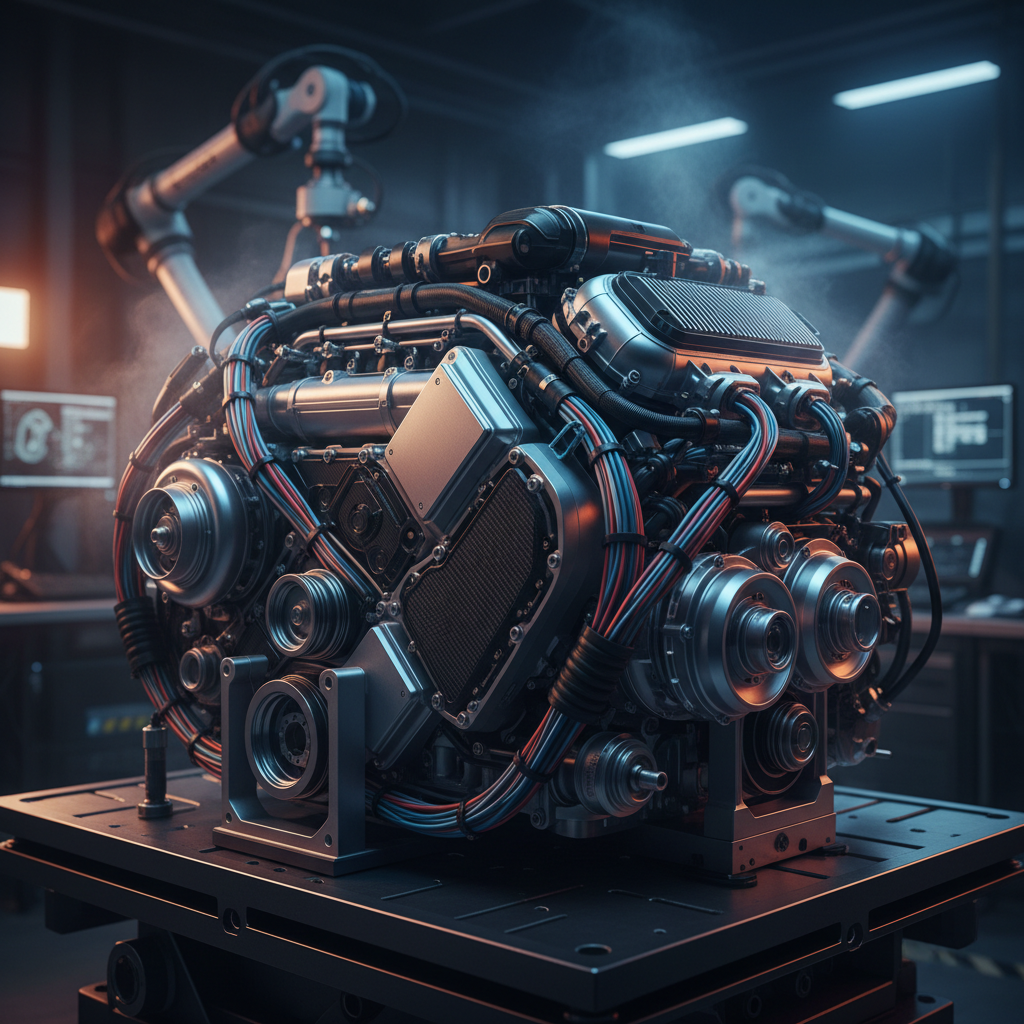
This massive undertaking has stretched the team’s resources. Highly publicised staff departures, including design genius Adrian Newey and sporting director Jonathan Wheatley, have shaken the team’s foundations. Newey’s move to Aston Martin was directly motivated by the challenges and fresh start of the 2026 regulations. Meanwhile, the current RB20 car has lost its balance, and Verstappen is openly complaining about handling issues. The off-track focus on the future is bleeding into their performance today.
McLaren’s Opportunity and Threat
McLaren is currently flying high with the fastest car on the grid. They have managed to claw back a massive points deficit in the constructors’ championship. Yet, they face a different kind of 2026 pressure. As a customer team relying on Mercedes engines, they are at the mercy of another manufacturer’s development curve.
While McLaren can focus their aerodynamic departments on the chassis, they do not have the same level of integration as a full works team like Ferrari or Mercedes. They have to decide how long they can afford to keep upgrading their current machine before they must pivot. The temptation to throw everything at Lando Norris’s title bid is immense. But the fear of a poor start in 2026 keeps team boss Andrea Stella awake at night.
The Long Game Begins in Texas
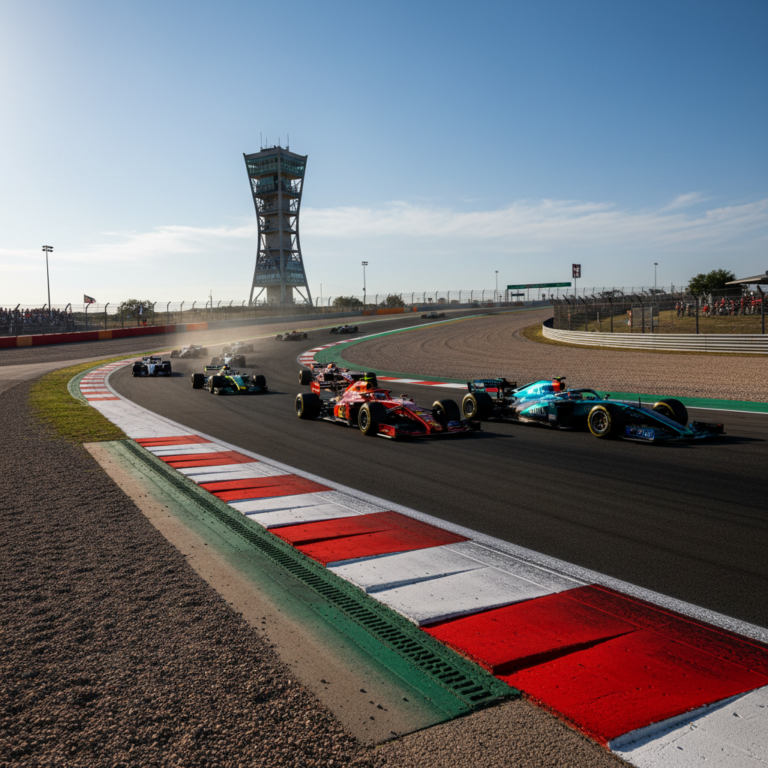
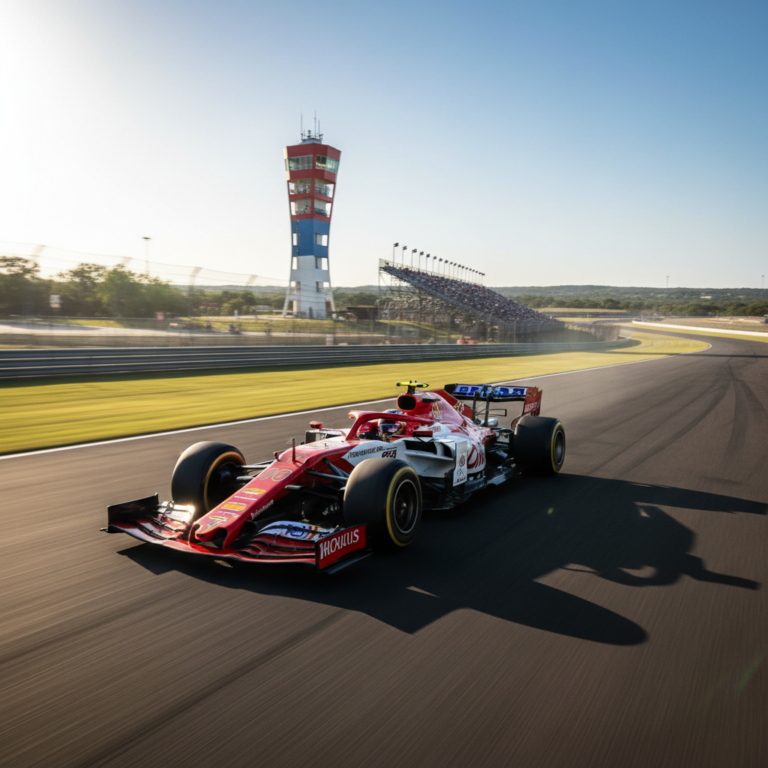
As the cars take to the track in Austin, we will see plenty of upgrades. Red Bull is bringing a revised floor, while McLaren has its own package to counter. These are the fruits of labor from months ago. The real question is what happens in the design offices next Monday.
Starting January 1, 2025, teams are legally allowed to begin wind tunnel testing for the 2026 aerodynamic packages. Until then, they can only do computer simulations. The pressure is building to a crescendo. The championship battle we are watching on track in Texas is thrilling, but the real war is being fought in the data centers, where engineers are already designing the cars that will render these current machines obsolete.
About the Author