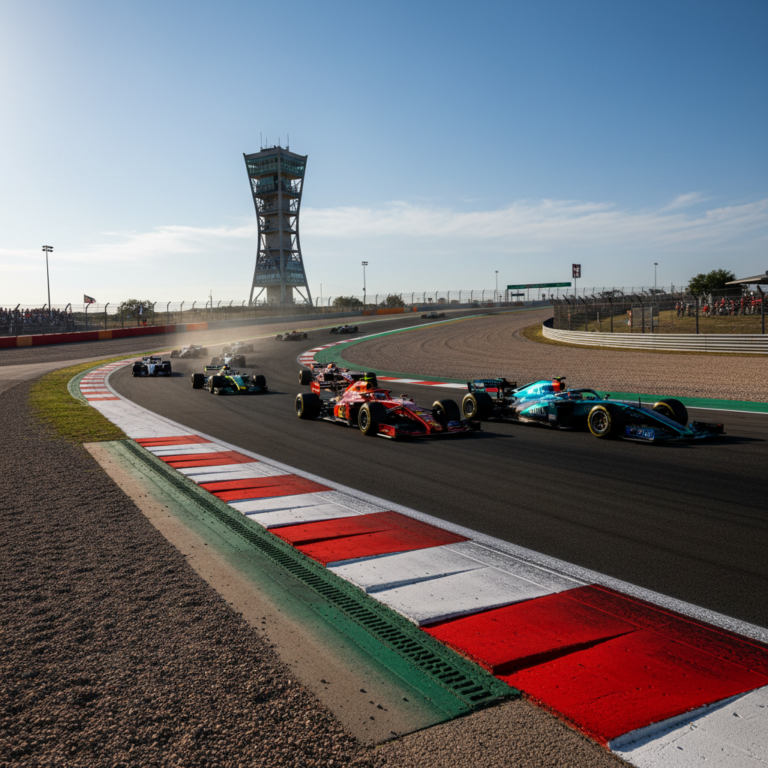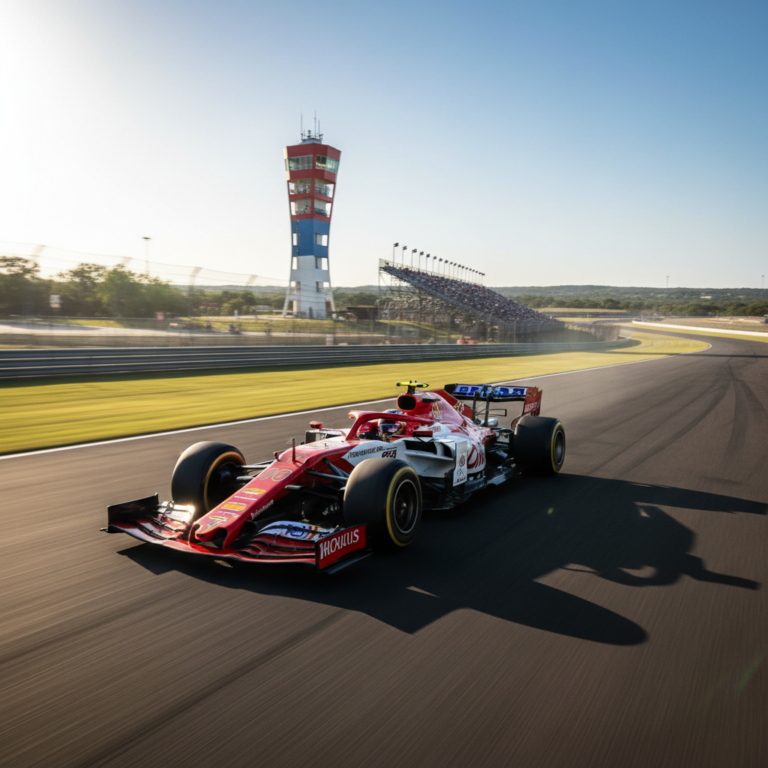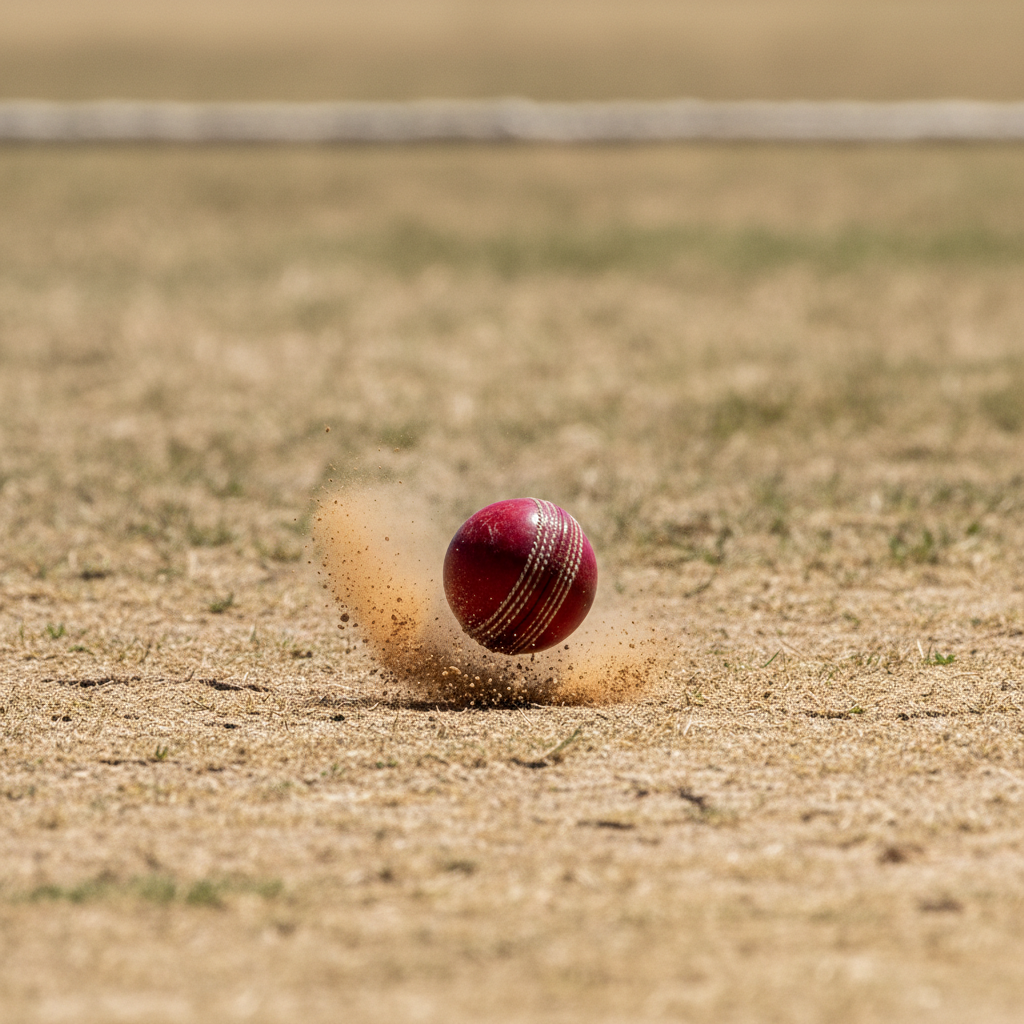
England’s red-ball cricket revolution is quietly entering its most calculated phase. Forget the frantic, ultra-aggressive batting of the early ‘Bazball’ days. The ultimate test of Brendon McCullum’s tenure lies two winters away on the hard, sun-baked pitches of Australia. To win there, England knows they cannot rely on traditional English medium-pace swing. They need raw, hostile speed. More importantly, they need those fast bowlers to survive the journey.
That is why England’s backroom staff are currently drawing up highly individualized roadmaps for a deep pool of fast bowlers. It is an unprecedented workload management strategy. The goal is simple yet incredibly difficult: have at least six genuine express pace options fully fit and firing by the time the squad lands in late 2026. The planning has already started.
The Obsession with Pure Velocity
Historically, England has arrived in Australia with an attack depleted by injuries or ill-suited to local conditions. The painful memories of the 4-0 drubbing in 2021-22 still linger. Back then, gentle 80mph bowling was easily dispatched by Australian batters on flat decks. With legends like James Anderson and Stuart Broad now retired, England is forcing a clean break from the past.
This time, the selectors are obsessed with velocity. Speed hurts. It creates wickets out of nothing on unresponsive pitches. The coaching staff wants bowlers who can consistently cross the 90mph barrier.
Gus Atkinson’s brilliant debut summer and Brydon Carse’s aggressive spells during recent winter tours have given England a blueprint. Add a fit-again Jofra Archer, the raw power of Mark Wood, and developing talents like Josh Tongue and Dillon Pennington, and the raw ingredients are there. But keeping them on the park is the real challenge. Fast bowling is a physical curse. Bodies break under the strain.
Solving the Workload Puzzle
Managing this group requires a delicate touch. England cannot afford to wrap their best bowlers in cotton wool and stop them from playing cricket entirely. They need match overs to build up physical resilience. Yet, overworking them in meaningless bilateral series could ruin their chances before the Ashes even begin.

The medical and sports science teams are now using advanced tracking to monitor every single delivery. They look at high-speed running metrics, footstrike impacts, and overall fatigue levels. Rather than grinding players down, England is resting bowlers at key intervals, even when fans and commentators clamor for their inclusion.
This cautious approach was evident in how carefully Atkinson’s overs were managed during his transition to the Test arena. The same goes for Mark Wood, whose body requires meticulous, almost daily maintenance. It is about playing the long game. If a bowler needs to sit out a Test match against a lower-ranked opponent to ensure they are fit for Brisbane, the management will make that call without hesitation.
Tactical Adjustments for the Kookaburra Ball
The tactical planning goes far beyond physical fitness. Bowling with the Kookaburra ball on Australian wickets is an art form that many English bowlers fail to master. The ball does not swing for long, and the seams are much flatter than the Dukes ball used at home.
England’s coaches are already adjusting their tactical training sessions. Bowlers are being taught to master the wobble-seam delivery, rely on subtle changes of pace, and use the bouncer as a sustained pressure tool rather than just a surprise tactic.
A Battery of Fast Bowlers
Under Ben Stokes, the captaincy mindset will remain aggressive, but the execution must be smarter. England wants a rotating battery of fast bowlers. Instead of asking two or three bowlers to carry the entire load across five grueling Test matches, they want to rotate their pace options seamlessly without any drop in quality or speed.
- Mark Wood: The spearhead of raw pace, managed strictly for short, explosive bursts.
- Jofra Archer: The x-factor whose return to red-ball cricket is being handled with extreme caution.
- Gus Atkinson: The rising star who offers both pace and control.
- Brydon Carse: A heavy-ball bowler suited for the tough, abrasive Australian decks.
While the 2026-27 Ashes series still seems far away, the foundation is being poured right now. Every Test match, every county game, and every rehabilitation session for an injured paceman is a piece of a larger puzzle. If England manages to break their Australian hoodoo, it will be because of a meticulously managed, blisteringly fast bowling unit that arrived healthy and ready to fight.
About the Author