The Holiday Trap: AI-Powered Schemes Targeting Gamers
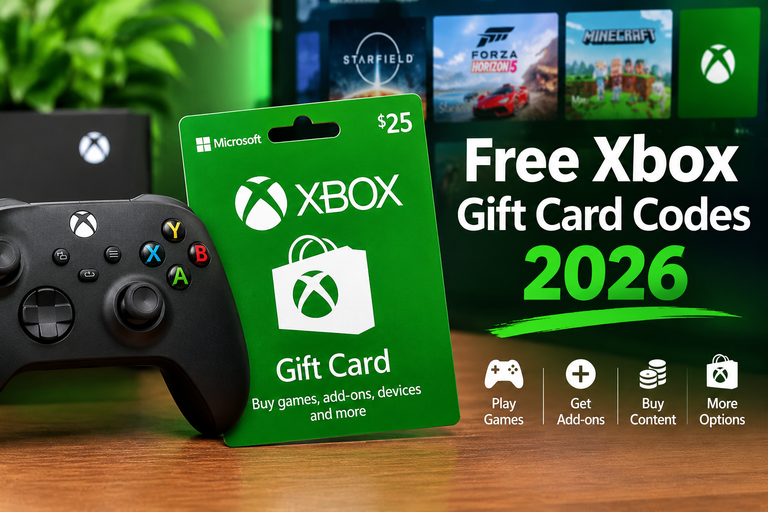
If you see an online offer promising a free $100 Xbox gift card, step back. It is almost certainly a trap. The Federal Trade Commission (FTC) just issued an urgent warning about a highly sophisticated wave of scams designed to exploit gamers. With the 2026 holiday shopping season right around the corner, bad actors are leveraging advanced artificial intelligence to trick unsuspecting players, particularly teenagers and young adults, into giving up their personal information and hard-earned money.
These are not the obvious, clunky internet scams of the past. Today’s scammers are using generative AI tools to spin up highly polished, incredibly authentic-looking landing pages in a matter of seconds. They use official Xbox branding, high-resolution graphics, and even dynamic, AI-generated ‘live chat’ feeds. These feeds show fake users claiming they just successfully received their free codes. To an eager gamer looking to save money on the latest winter releases, the pages look entirely legitimate.
How the ‘Generator’ Scam Works
The scam usually starts on social media platforms like TikTok, YouTube Shorts, or Discord. Scammers upload short videos showing a ‘secret hack’ to get free Xbox gift cards using a web-based code generator. To make the videos more convincing, some scammers are now using AI voice cloning technology. They mimic the voices of popular gaming influencers or streamers, making it sound like trusted internet personalities are endorsing the tool.
Once a user clicks the link, they are taken to the generator site. The page asks them to select their desired gift card amount, usually ranging from $25 to $100. A flashy animation plays, simulating a hacking or generation process. But there is a catch. To unlock the final digits of the code, the user must prove they are a human. This is where the trap springs.
To complete this fake ‘human verification’ step, victims are forced to complete tasks that benefit the scammers. These tasks typically fall into three dangerous categories:

- Malware Downloads: Users are told to download and run a specific game or app on their PC or mobile device. In reality, these files are packed with spyware, keyloggers, or trojans designed to steal sensitive files and browser passwords.
- Phishing Forms: Victims are redirected to forms that demand highly sensitive personal data. This includes full names, home addresses, phone numbers, and even social security numbers under the guise of ‘identity verification.’
- Premium Subscription Traps: Some sites force users to sign up for ‘free trials’ of obscure services. These trials secretly convert into expensive monthly subscriptions that are incredibly difficult to cancel.
The FTC Steps In
The FTC warns that these generator sites are complete fabrications. There is no software, exploit, or algorithm that can magically generate valid retail codes. Every single website or app claiming to do so is a malicious attempt to exploit consumers.
Consumer protection experts note that the timing of this warning is no accident. The weeks leading up to the holiday shopping rush are prime time for retail fraud. Gamers are desperate to buy expensive new titles, and parents are hunting for deals. This creates the perfect storm for cybercriminals.
If a child or teenager is using the family computer, the risks multiply. A single accidental download of malware can compromise the entire household’s home network, leading to identity theft or hijacked banking accounts.
How to Protect Yourself and Your Family
Staying safe requires a mix of skepticism and basic digital hygiene. The FTC offers several straightforward tips to avoid falling victim to these holiday scams:
- Understand that ‘free’ isn’t free: No legitimate company gives away hundreds of dollars in gift cards for completing random online surveys or downloading suspicious apps. If it sounds too good to be true, it always is.
- Stick to official retailers: Only purchase Xbox gift cards directly from Microsoft, the official Xbox dashboard, or authorized physical and digital retailers.
- Never input credentials on third-party sites: Microsoft will never ask you to sign in to your Xbox or Microsoft account on an external, third-party website to claim a promotional code.
- Talk to younger gamers: Parents should have a conversation with their children about the dangers of online generators. Explain that downloading unauthorized software to get free items can ruin their devices and compromise family privacy.
If you or someone you know has already interacted with one of these scam sites, take action immediately. Run a thorough antivirus scan on all household devices. If any login details were entered, change those passwords immediately and enable multi-factor authentication. Finally, the FTC urges victims to report the fraudulent websites at ReportFraud.ftc.gov to help authorities track down and take down these malicious networks before the holiday shopping season peaks.
About the Author