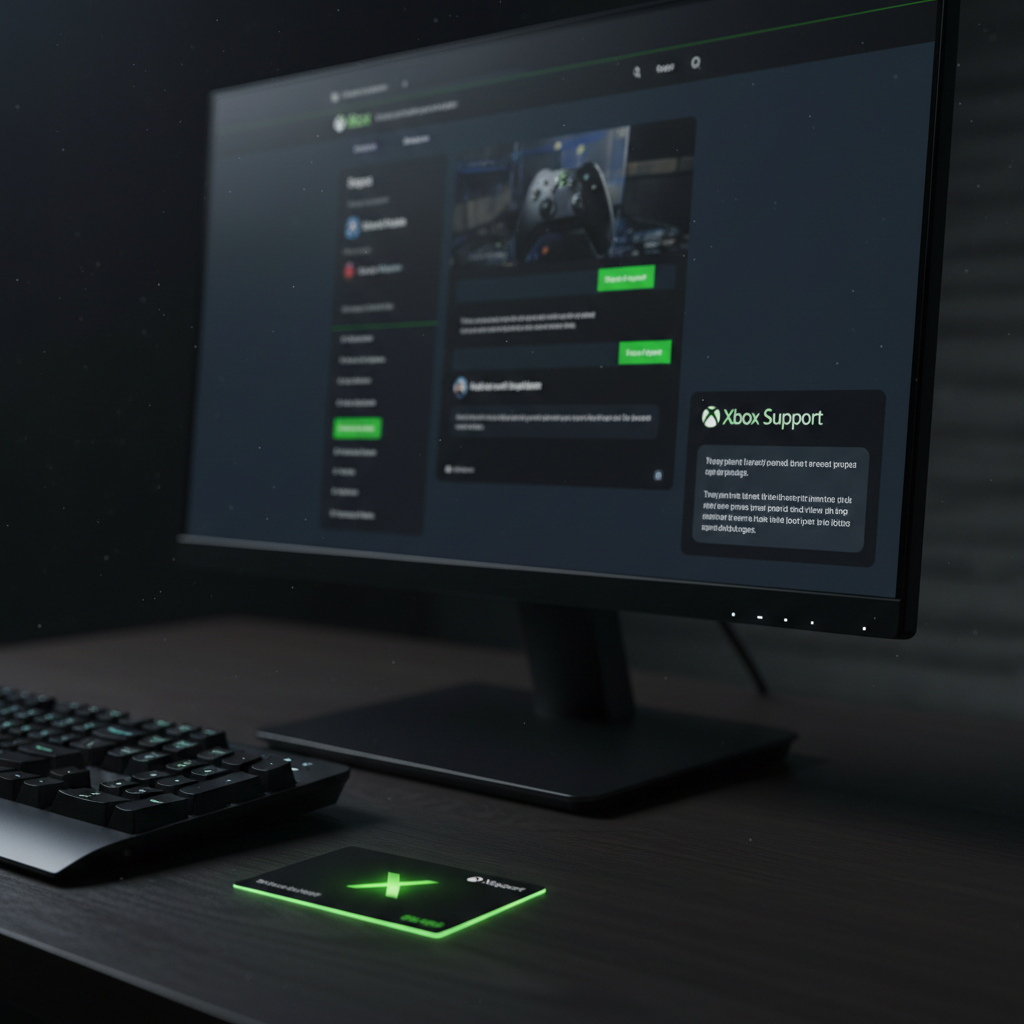
A highly sophisticated phishing campaign is targeting early holiday shoppers looking for Xbox gift cards. Cybercriminals are using generative artificial intelligence to build near-perfect replicas of Microsoft’s official support and card redemption portals.
Dubbed “SilverFox” by cybersecurity researchers, the threat group behind the campaign is leveraging advanced AI cloning tools. These tools allow them to rapidly spin up malicious websites that are virtually indistinguishable from legitimate Microsoft pages. Security experts warn that this represents a major step up in the sophistication of holiday-season scams.
The discovery, detailed in a new report from Vanguard Threat Intelligence, shows that the campaign is already active ahead of the 2026 holiday shopping rush.
How the SilverFox Scam Works
It usually begins with a search engine. Shoppers looking to buy or redeem gift cards search for terms like “activate Xbox gift card” or “Microsoft support help.”
The hackers use search engine optimization (SEO) poisoning and paid search advertisements to push their fake sites to the top of the search results. Unsuspecting users click the links, expecting to land on a secure Microsoft domain. Instead, they are redirected to a lookalike URL.
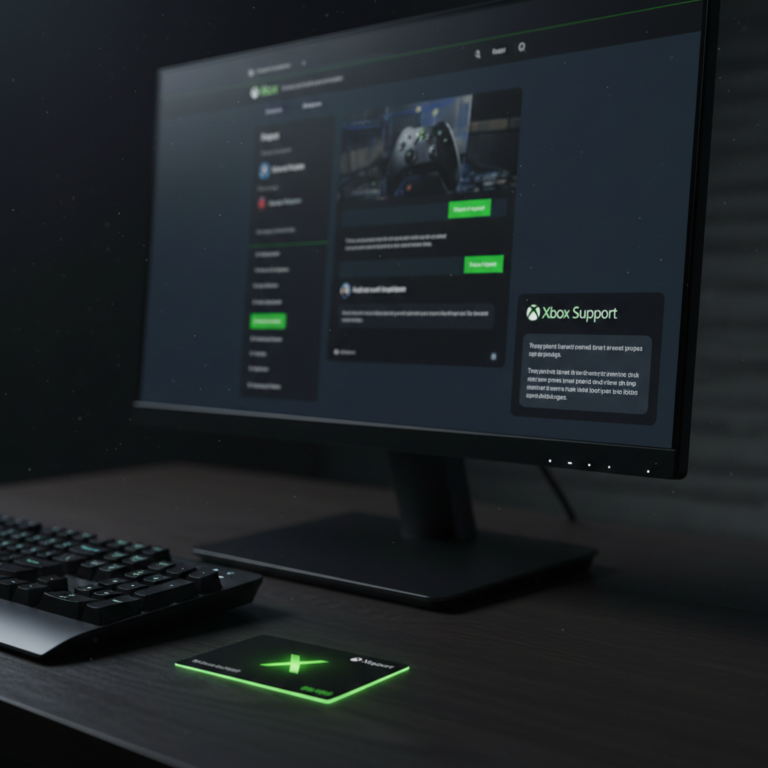
Once on the site, the illusion is seamless. In the past, phishing sites were often easy to spot. They had blurry logos, awkward phrasing, and broken links. SilverFox has eliminated these tells. By using AI to scrape and replicate Microsoft’s actual web assets, the attackers have created a flawless user interface.
“The visual fidelity of these fake portals is staggering,” said Marcus Vance, lead threat analyst at Vanguard. “Even experienced web users would struggle to spot the difference based on design alone. The branding, the fonts, the copyright footers—everything is perfectly in place.”
AI Chatbots Mimic Support Staff
The threat goes beyond static web design. The SilverFox portals feature integrated live chat windows that appear highly professional.

When a victim enters the site, a chat prompt pops up, offering instant assistance with code activation. Behind this chat window is a highly trained AI large language model (LLM). It is programmed to act exactly like an official Microsoft support representative.
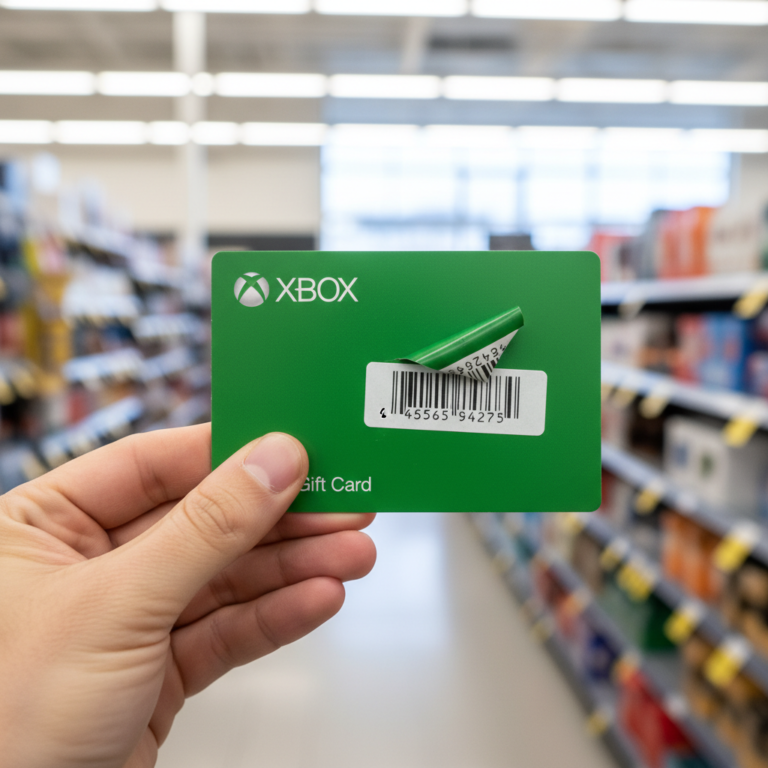
The AI bot guides the user through a fake verification process. It politely asks the victim to provide their 25-character Xbox gift card code, claiming it needs to “verify the activation status on the secure server.” The moment the victim enters the code, the hackers harvest it. The card’s balance is drained immediately through automated systems, often used to purchase high-value digital items or resold on gray-market forums.
If the victim hesitates, the bot uses persuasive, professional language to reassure them, citing safety protocols and Microsoft user agreements.
A Ramping Threat for the Holidays
Cybersecurity experts say the timing of this campaign is deliberate. Gift cards are among the most popular holiday presents, and shoppers often buy them weeks or months in advance to beat the rush.
“Historically, we see phishing spikes in late November,” Vance noted. “But with AI making campaign deployment so cheap and fast, groups like SilverFox are starting their operations much earlier. They want to catch the early-bird shoppers who might be less on guard.”
The use of AI in cybercrime is rising rapidly. Hackers no longer need deep coding knowledge to build complex attack vectors. They simply instruct an AI tool to recreate a target site. This lowers the barrier to entry for novice criminals while allowing established groups to scale their operations globally.
Microsoft is reportedly tracking the malicious domains and working to take them down, but the agile nature of SilverFox makes this a persistent threat. As soon as one URL is blocked, the attackers launch several more under slightly different domain names.
How to Protect Yourself
Staying safe requires a shift in how users interact with online support. Security researchers recommend several immediate defenses:
- Check the address bar closely. Official Microsoft support always uses the microsoft.com or xbox.com domains. Beware of variations like microsoft-support-activation-portal.com.
- Never share gift card codes with anyone, including support agents. Legitimate Microsoft staff will never ask you to reveal a full redemption code to resolve an issue.
- Redeem cards directly on your console or through the official Xbox app. This bypasses search engines entirely and eliminates the risk of clicking malicious ads.
As the holiday season approaches, vigilance is key. If a support site feels slightly off, or if an assistant pushes you to reveal sensitive codes, close the tab immediately.
About the Author