Redeeming an Xbox digital gift card just got a little more complicated. But there is a very good reason for the extra hassle. Microsoft has quietly rolled out a new security measure that forces players to complete a multi-factor authentication (MFA) check before they can cash in digital codes. The change is a direct strike against automated draining bots that have plagued digital storefronts for years.
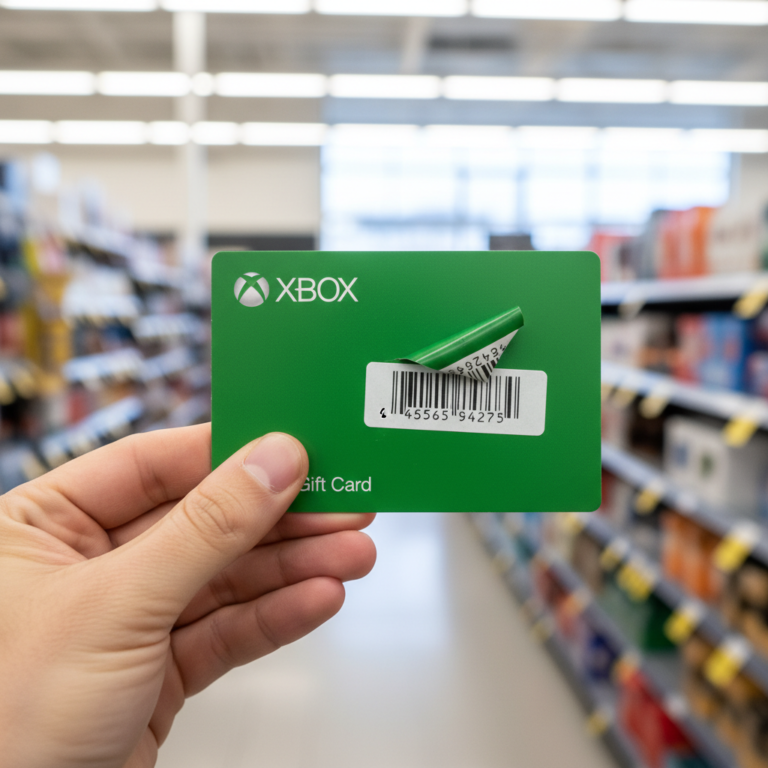
For the average gamer, the update means a brief pause in their shopping flow. Instead of instantly seeing their wallet balance update after typing in a 25-character code, users are now prompted to enter a secondary verification code. This security pin is typically sent to the email address or phone number linked to the Microsoft account. It is a minor speed bump for humans, but a brick wall for automated scripts.
The War on Automated Gift Card Theft
Why did Microsoft make this move? The answer lies in how cybercriminals target digital retail. For years, bad actors have used automated bots to brute-force gift card codes or drain them seconds after purchase. These bots operate at a scale no human can match.
In some cases, fraudsters use bots to continuously guess random combinations of numbers and letters, hoping to stumble upon an active, unredeemed card. In other scenarios, bots monitor third-party key reselling marketplaces. The millisecond a legitimate user purchases a code, a bot intercepts the data and redeems the balance before the actual buyer even has a chance to open their email. This leaves honest consumers with useless, empty codes and leaves retailers dealing with endless customer support complaints.
How MFA Halts the Bots
By inserting an authentication check right at the point of redemption, Microsoft breaks the automation loop. A bot can easily scrape a code and input it into an automated form. What it cannot do is access a user’s private mobile device or personal email inbox to grab a temporary verification pin.

Security experts have long advised that MFA is the single most effective tool for stopping bulk automated attacks. Without the secondary code, the automated script simply hangs, saving the gift card balance from being siphoned away.
What This Means for Xbox Players
Initially, the change caught some users off guard. Gamers on forums like Reddit reported seeing the verification prompt and wondered if their personal accounts had been flagged for suspicious activity. However, it quickly became apparent that the security check is a universal rollout designed to protect everyone.
The transition has not been entirely seamless, as some players have reported minor issues:
- Delays in receiving the SMS or email verification codes during peak server hours.
- Confusion for parents trying to redeem codes on child accounts that do not have dedicated phone numbers.
- Slightly longer checkout times when trying to purchase games during flash sales.
Despite these small pain points, the reception from the gaming community has been largely positive. Most players agree that waiting an extra thirty seconds for a text message is a small price to pay to ensure their funds remain secure.
A Broader Industry Trend
Microsoft is not the only company tightening its digital borders. The entire video game industry has struggled to keep pace with botnets and digital fraud. Online platforms like Steam, the PlayStation Network, and Nintendo’s eShop have all implemented various layers of defense over the last few years, ranging from strict regional locks to purchase limits.
The holiday shopping season and major promotional events usually bring a massive wave of gift card purchases, making this security update particularly timely. By raising the barrier to entry for card redemption, Microsoft is making the Xbox ecosystem a far less profitable target for online thieves. It is a simple, effective change that proves sometimes a little extra friction is exactly what consumers need to stay safe online.
About the Author