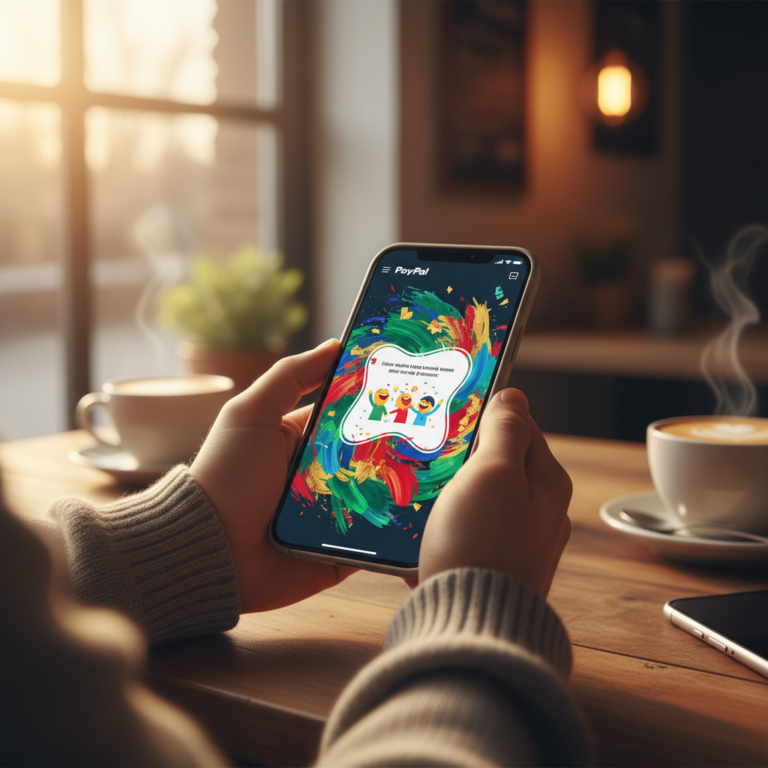
The holiday shopping season is still weeks away, but cybercriminals are already launching their biggest campaigns. On Thursday, the Federal Trade Commission issued an urgent consumer alert warning of a massive wave of deepfake videos spreading on TikTok. These highly convincing, AI-generated clips feature top tech influencers who appear to endorse “free Amazon gift card” generators. It is a sophisticated trap. Federal officials say the scam is spreading rapidly ahead of the 2026 holiday shopping rush.
How the Scammers Mimic Trust
Imagine scrolling through your feed and seeing a trusted tech reviewer. They might be standing in a familiar studio, telling you about an exclusive “glitch” that dishes out $1,000 Amazon gift cards for free. The voice sounds perfect. The facial expressions are spot-on. But it is entirely fake.
Cybercriminals are using advanced generative AI to clone the voices and faces of popular content creators. They use these synthetic avatars to build instant trust with viewers, particularly younger shoppers looking to stretch their holiday budgets. Once a user is hooked, they are directed to a link in the bio.
“These aren’t just crude animations anymore,” said Samuel Levine, Director of the FTC’s Bureau of Consumer Protection. “Scammers are leveraging the hard-earned credibility of digital creators to bypass people’s natural skepticism. As we head into the busiest shopping season of the year, the threat is real.”
The Malicious Payload Behind the Link
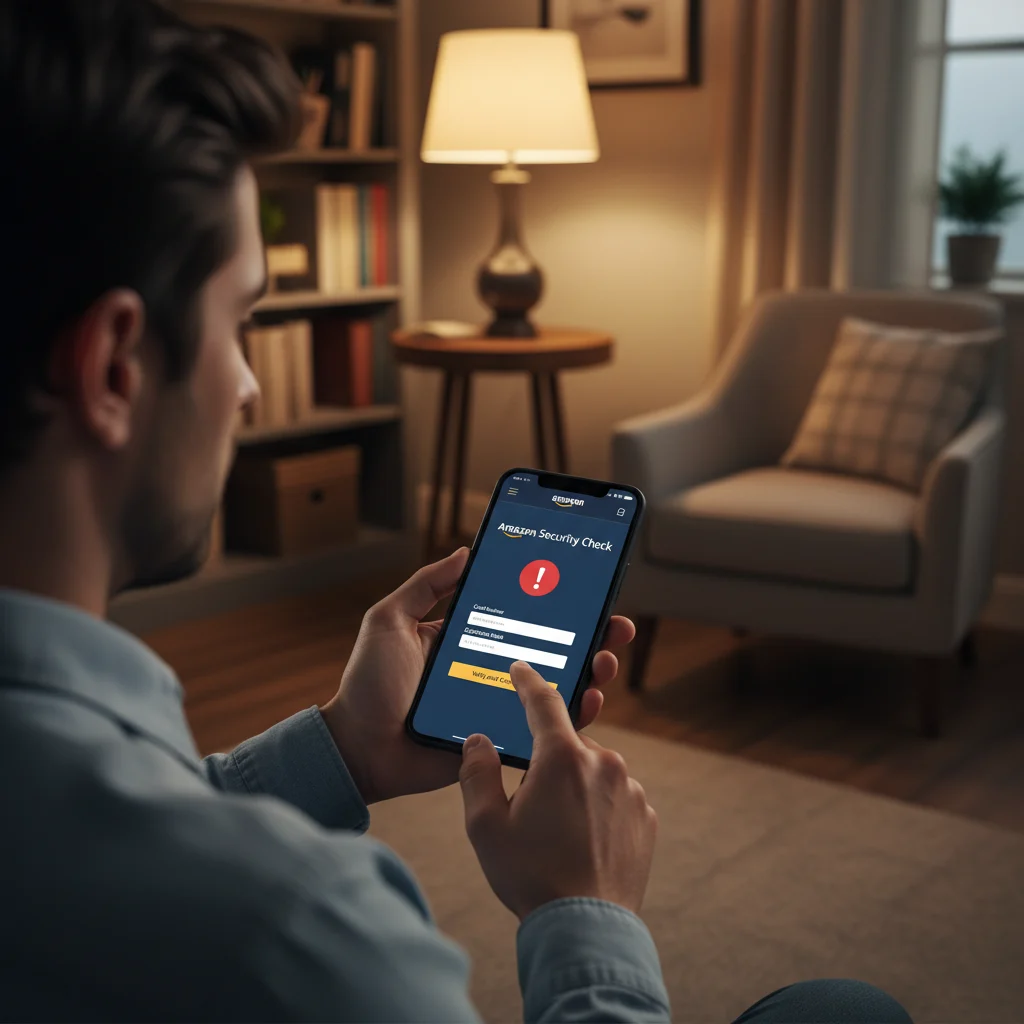
Clicking the link does not yield a free gift card. Instead, it initiates a series of actions designed to harvest personal information or infect devices. Users are usually redirected to a sophisticated landing page designed to look like an official Amazon portal.
To claim the nonexistent balance, visitors must complete a series of micro-tasks. These often include:
- Filling out lengthy surveys that ask for Social Security numbers or dates of birth.
- Downloading third-party mobile applications that secretly bundle spyware or adware.
- Paying a small “verification fee” of $1 or $2, which gives scammers direct access to credit card details.
By the time the victim realizes they have been tricked, their data has already been packaged and sold on the dark web, or their financial accounts have been compromised.
A Cat-and-Mouse Game for Platforms
TikTok’s algorithm, designed to quickly viralize engaging content, has struggled to contain the spread. Because the videos use familiar faces and high-quality production values, engagement metrics soar. This tricks the system into pushing the scams to even wider audiences.
TikTok representatives stated they are aggressively purging these accounts and refining their automated detection models. However, security researchers note that as soon as one network of accounts is banned, another emerges with slightly modified footage to bypass filters.
The cheap availability of high-quality AI cloning software has leveled the playing field for bad actors. What used to require professional editing skills can now be completed in a few minutes by anyone with an internet connection.
How to Protect Your Wallet
Recognizing these scams requires a mix of technical vigilance and healthy skepticism. The FTC advises consumers to keep a few key principles in mind.
First, look for physical anomalies in the videos. AI-generated faces often struggle with natural eye-blinking patterns, and the mouth movements may not perfectly align with the spoken words, especially during fast transitions.
Second, check the posting account’s verification status. A real influencer with millions of followers will have a verified badge. The scam accounts usually have generic handles, zero previous posts, and misspelled names designed to mimic the actual creators.
Most importantly, remember the golden rule of the internet: if an offer sounds too good to be true, it always is. Amazon does not distribute thousand-dollar gift cards through random TikTok links. Protect your data, warn your family, and report suspicious videos immediately to the FTC.
About the Author