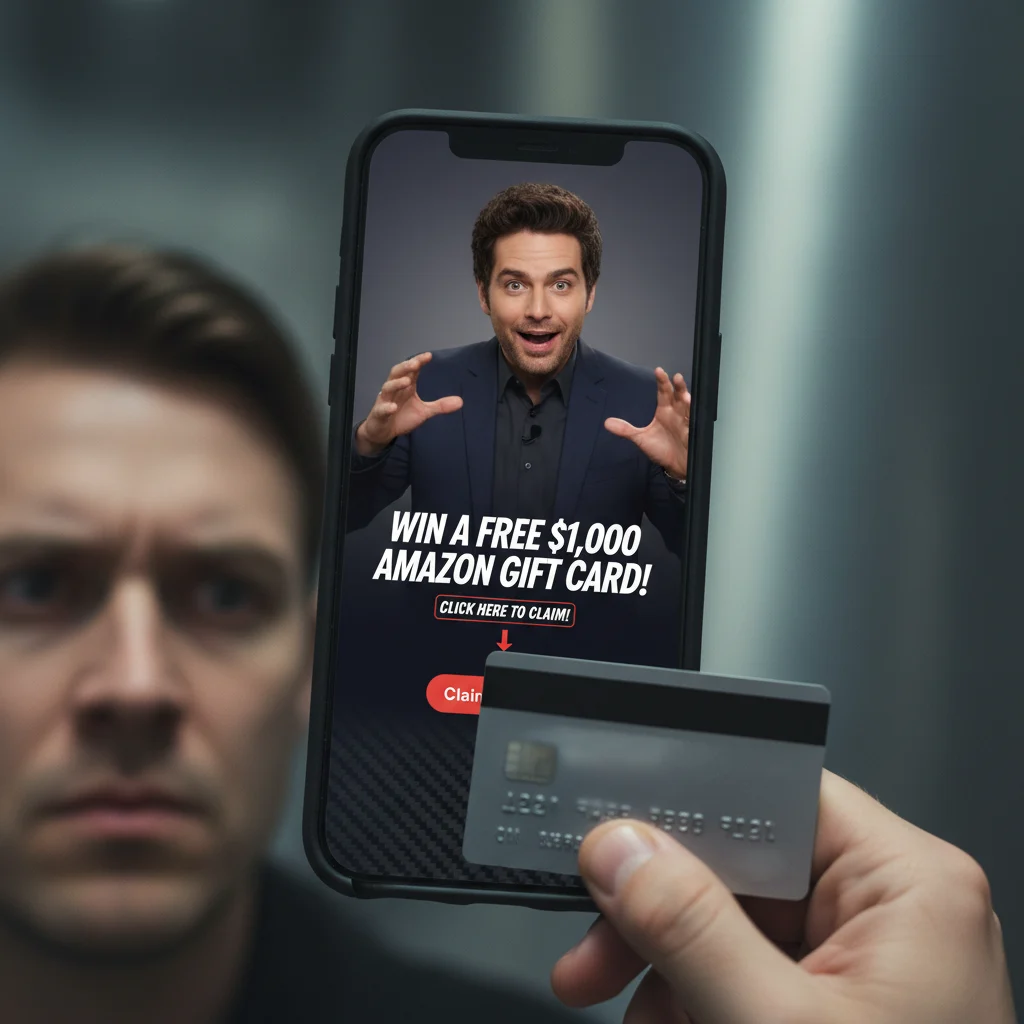
Early holiday shopping has officially started. But so have the scammers. The Federal Trade Commission issued an urgent warning this week about a viral wave of social media scams targeting users on TikTok and Instagram. The bait? Promises of free Amazon gift cards worth up to $1,000.
The videos look incredibly real. That is because fraudsters are using sophisticated generative AI tools to create convincing deepfakes. These clips often feature digital clones of popular celebrities, tech billionaires, or even Amazon executives. They claim the retail giant is running a massive promotional giveaway. All you have to do is click a link, fill out a quick survey, and claim your prize. It sounds simple. It is a trap.
How the Gift Card Scam Unfolds
Once a user clicks the link in the bio, the trap is set. They are taken to a third-party website designed to look like an official Amazon portal. The site asks for personal information, including names, home addresses, and email addresses.
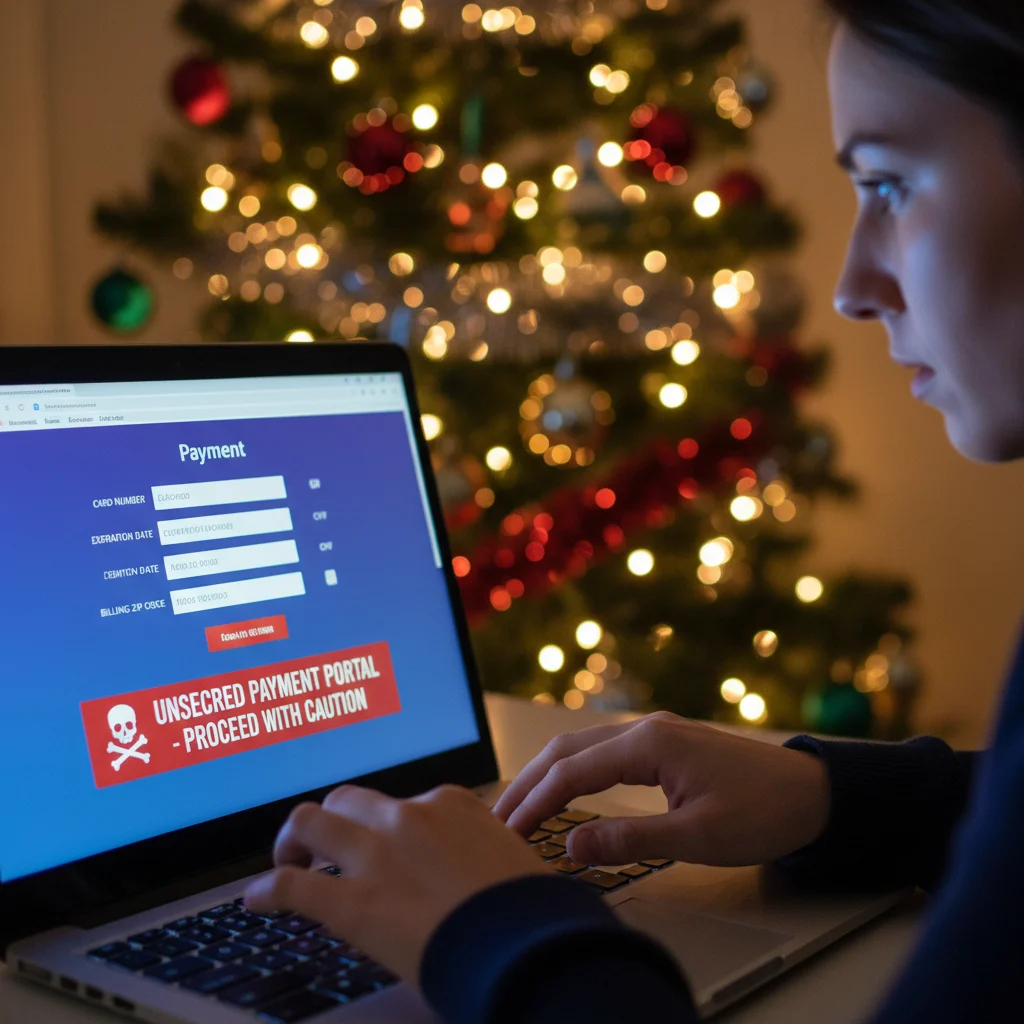
Then comes the catch. To “verify” the account or cover a minor shipping fee, the victim must enter their credit card details. Usually, the fee is tiny—just a dollar or two. But once the scammers have those card numbers, the real damage begins. Unauthorized charges follow quickly, and the promised gift card never arrives.
The FTC Rules of the Road
The FTC emphasizes a golden rule of the internet: if you have to pay to get a free gift, it is not free. It is a scam. No legitimate company will ever ask you to pay money to receive a prize or a promotional voucher.
The government watchdog reports that these schemes are ramping up rapidly as the winter holidays approach. People are looking for ways to stretch their budgets. Scammers know this. They exploit the economic pressure shoppers feel during this high-spending season.
Red Flags to Watch Out For
How can you spot these fake giveaways? The FTC recommends keeping an eye out for several warning signs:
- Artificial voice patterns: AI-generated voices often sound slightly flat, robotic, or have strange pauses.
- Unnatural facial movements: In deepfake videos, the speaker’s lips might not perfectly sync with the audio, and they may blink unnaturally.
- Demands for quick payment: Any request for a processing fee, activation fee, or shipping charge for a “free” item is a massive red flag.
- Suspicious links: Check the URL carefully. If it does not end in “amazon.com,” it is a fake site.
Social media algorithms make these scams particularly dangerous. A video that gains a little traction can quickly go viral, landing on thousands of feeds in a matter of hours. The platform companies are working to take down these videos, but new ones pop up just as quickly.
What to Do If You Were Targeted
If you fell for one of these videos, you need to act fast. Contact your bank or credit card company immediately to report the fraudulent activity and freeze your account. You can also file a report directly with the government at ReportFraud.ftc.gov. Reporting these schemes helps consumer protection agencies track down these networks and issue wider public warnings.
About the Author