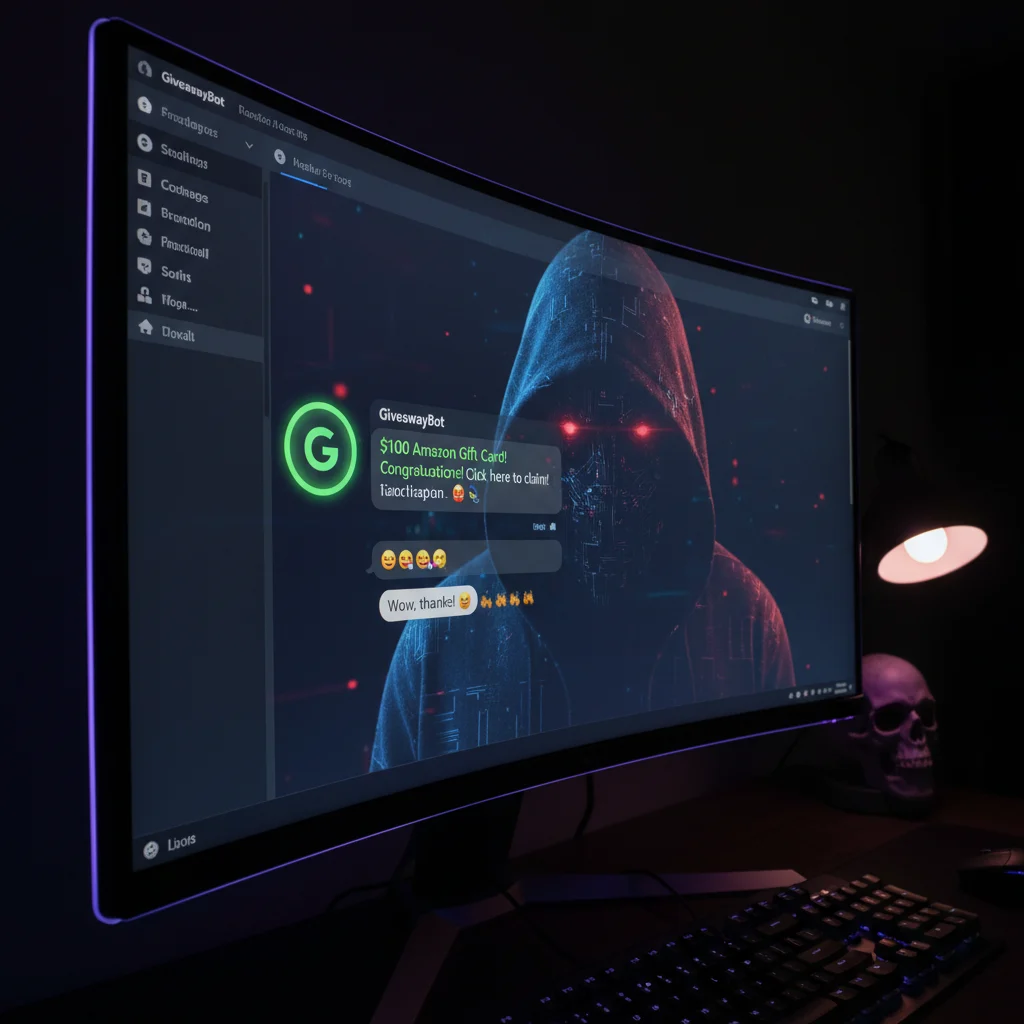
Discord has become a minefield this October. Security researchers are sounding the alarm on a massive, highly sophisticated phishing campaign sweeping through the platform. This is not your typical spam wave. Attackers are now using advanced generative AI bots to engage in realistic, highly personalized conversations with targets, dangling a free $100 Amazon gift card as the ultimate bait.
The Death of the Obvious Spam Bot
For years, most Discord users could spot a scam from a mile away. Automated bots were clumsy. They sent generic, poorly written direct messages, immediately spamming suspicious links to everyone on a server. If you saw a message riddled with bad grammar offering free Discord Nitro, you blocked it.
That era is over. The campaign detected this month represents a massive leap forward in social engineering. Hackers are now deploying bots powered by customized Large Language Models (LLMs). These digital grifters can hold convincing, natural conversations. They do not rush.
How the Personalization Trap Works
The scam usually starts with a friendly direct message. Before making a move, the AI bot scans your public profile. It looks at your status, your mutual servers, and even the games you play. The bot then tailors its opening lines to fit your personality.
- Shared Interests: If you have an anime avatar, the bot might start by asking your opinion on a recent episode before pivoting to the promotion.
- Patience: Unlike old bots that drop a link in the first message, these AI entities might chat with you for several minutes to build rapport.
- Familiar Tone: They use casual slang, emojis, and realistic typing pauses to mimic a real human teenager or gamer.
Once the victim feels comfortable, the bot casually mentions a promotion. It claims that Amazon and Discord have partnered to give away $100 gift cards to active community members. To claim it, the victim just needs to log in through a provided link.
The Danger of the Spoofed Login Page
The link does not lead to Amazon. Instead, it points to a brilliantly designed replica of the Discord login screen. In many cases, the page asks the victim to log in using a QR code—a feature Discord offers for quick mobile login.
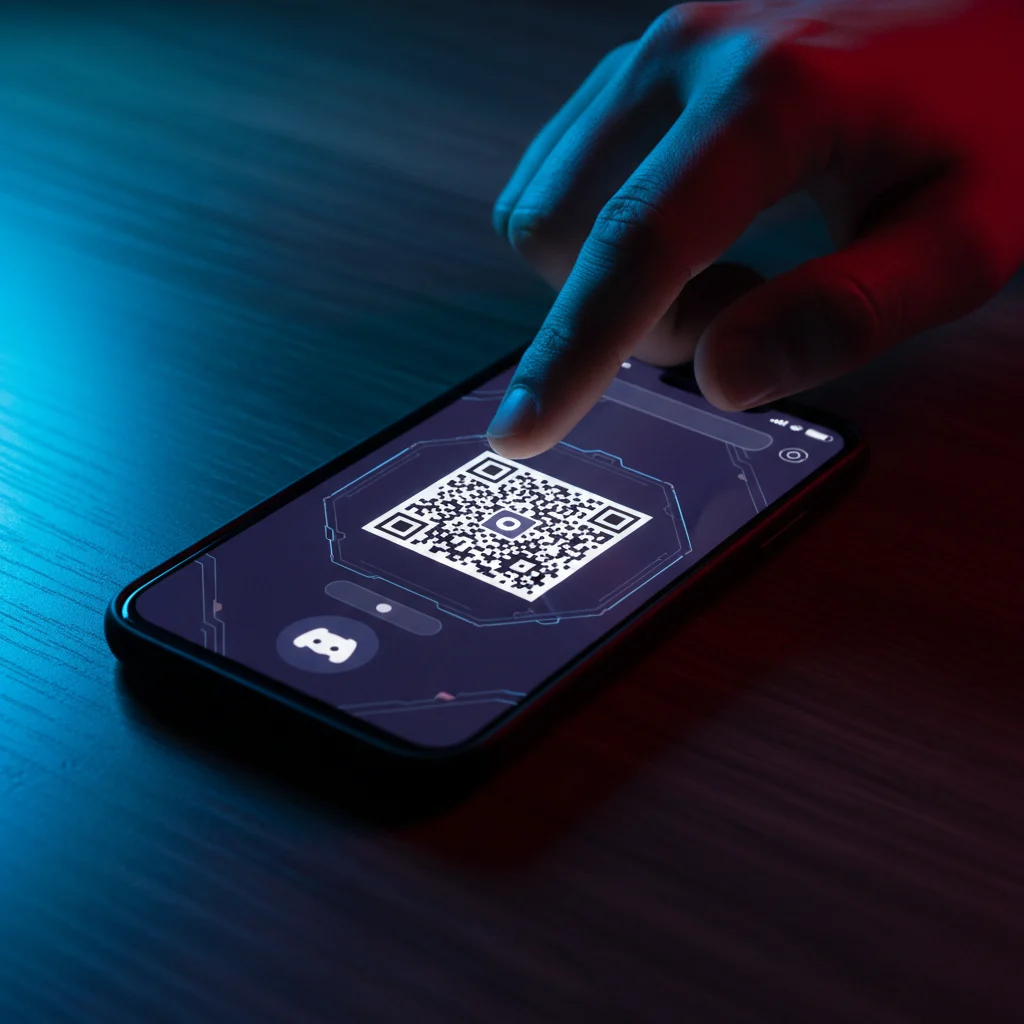
“This is where the trap snaps shut,” says Alex Vance, a veteran threat analyst at cybersecurity firm SentinelVigil. “When a user scans that fake QR code, they are not logging in. They are handing over their active session token directly to the attackers. The hackers bypass password prompts and two-factor authentication entirely.”
Once the hackers gain control of an account, they do not just steal personal data. They immediately turn the hijacked account into a new vector for the scam. The AI bot takes over the compromised profile and messages everyone on the victim’s friend list. Because the message now comes from a real, trusted friend, the success rate of the scam sky-rockets. It becomes a self-replicating chain reaction.
Why Traditional Defenses Are Failing
Standard security filters are struggling to keep up with this wave. Most automated defense systems look for repetitive phrases, mass-messaging patterns, and known malicious URLs. Because the generative AI bots write a completely unique message for every single victim, they easily slip past Discord’s built-in spam detection filters.
Discord’s trust and safety team has reportedly been working around the clock to ban compromised accounts and block new phishing domains. However, the attackers are registering hundreds of lookalike domains every day, making it a constant game of digital whack-a-mole.
How to Protect Yourself on Discord
With AI making scams nearly indistinguishable from real conversations, security experts say users must shift their habits. To protect your account, keep these rules in mind:
- Never Scan QR Codes from DMs: Only scan QR codes displayed on your own trusted devices when you are actively trying to link an app. Never scan a code sent by another user, even a friend.
- Verify Outside of Discord: If a close friend suddenly messages you about a free gift card or a sweepstakes, reach out to them via text message or another social media platform to confirm it is actually them.
- Keep 2FA Enabled: While session hijacking can bypass two-factor authentication temporarily, keeping 2FA active on your account is still a vital shield against standard password theft.
The golden rule of the internet still applies: if an offer seems too good to be true, it probably is. No matter how polite, charming, or human the voice on the other end of the chat seems to be.
About the Author