The Invisible Hand Shaping the Title Fight
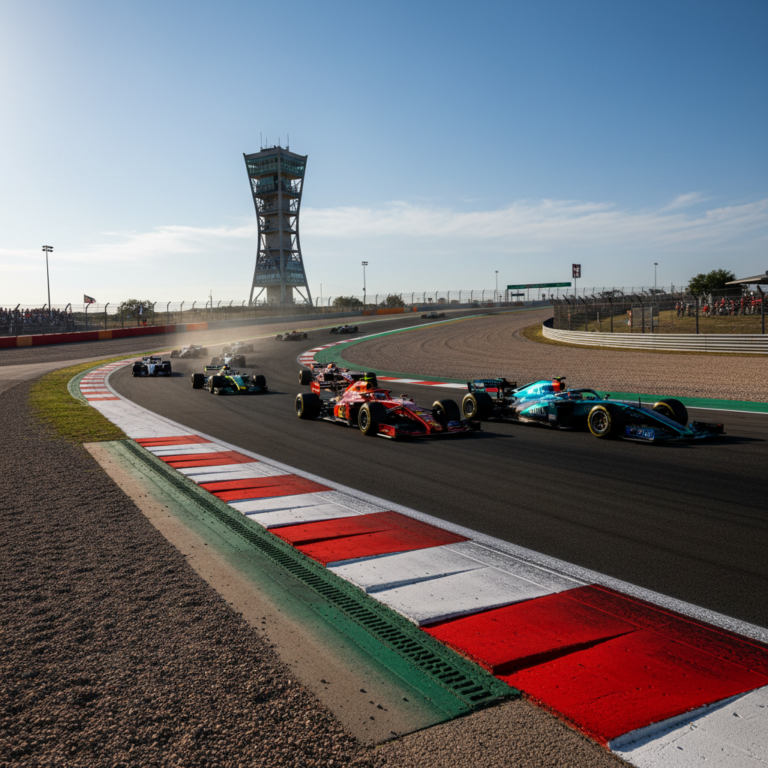
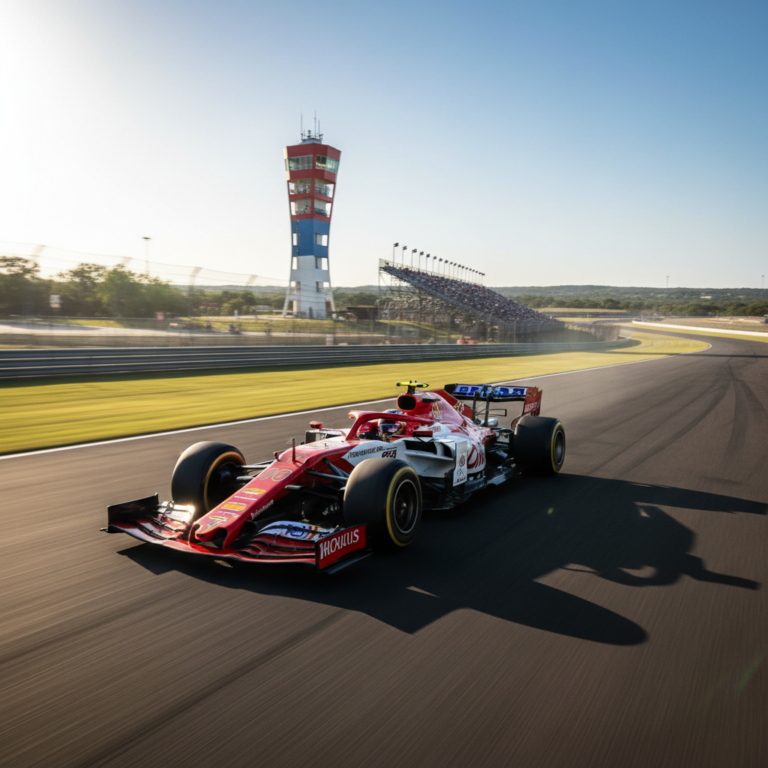
Formula 1 arrives at the Circuit of the Americas in Austin this weekend with a genuine title fight on its hands. Max Verstappen’s once-unassailable lead is shrinking. Lando Norris and a surging McLaren are hunting him down. Yet, beneath the immediate drama of the United States Grand Prix, a much larger, invisible force is actively rewriting the competitive order. It is the looming shadow of the 2026 regulations.
We are still more than a year away from the debut of these radical new cars. However, the sheer scale of the upcoming technical overhaul is already dictating who wins and loses today. Teams are locked in a high-stakes game of resource allocation. Spend too much effort upgrading your current car, and you risk falling hopelessly behind for the next decade. Shift focus too early, and you throw away a shot at a world championship right now.
A Radical Reset of the Rulebook
What makes 2026 so terrifying for F1 engineers? It is not just a minor tweak; it is a complete reinvention of the sport’s DNA. The sport is moving to a near-50/50 split between internal combustion and electrical power. To compensate for the heavy batteries and different engine characteristics, F1 is introducing active aerodynamics. Moveable front and rear wings will adjust on the fly to shed drag on the straights and restore downforce in the corners.
The cars will also be smaller and lighter. It is an engineering nightmare that requires starting from a blank sheet of paper. Because of strict cost cap rules, teams cannot simply throw money at both problems. They have to choose.
The Resource Trap Shaking Up the Grid
This forced choice explains the sudden, chaotic swings in performance we have seen over the last few months. Red Bull, dominant for years, has suddenly hit a developmental wall. The team is fighting balance issues that make the RB20 look incredibly difficult to drive. Rumors in the paddock suggest their focus is heavily split, especially with their new engine division, Red Bull Powertrains, working frantically to build its first-ever power unit in partnership with Ford.
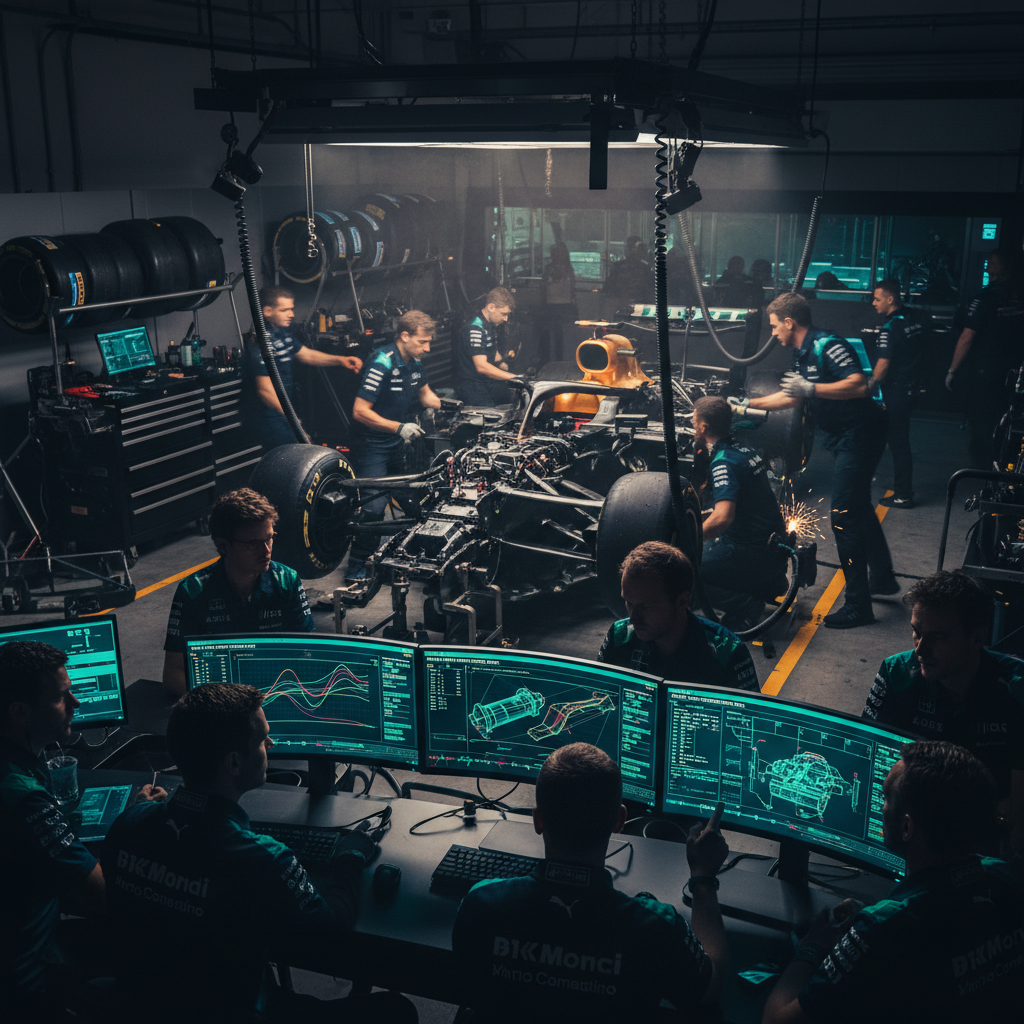
Meanwhile, McLaren has capitalized. By optimizing their current platform later into the cycle, they have leapfrogged the field. But even they must balance this run. No team wants to end up like Haas did during the last major rule change in 2022, sacrificing an entire season just to get a head start on the future. It is a tightrope walk over a very long drop.
The Austin Upgrade Gamble
This weekend in Texas, several teams are bringing their final major upgrade packages of the season. Austin is a brutal track. Its sweeping first sector and bumpy surface demand absolute aerodynamic efficiency. It will show us who got their homework right over the autumn break.
But these upgrades come with a hidden cost. Under the current rules, wind tunnel testing time is strictly limited based on where a team sits in the constructors’ championship. The higher you are, the less testing time you get. For leading teams, every hour spent in the wind tunnel refining a front wing for Austin is an hour stolen from the critical 2026 design phase.
Engineering Brain Drain
The impending rules are also causing chaos behind the scenes. Engineers and key designers are moving houses at an unprecedented rate. High-profile departures, like Adrian Newey leaving Red Bull for Aston Martin, are directly linked to the 2026 reset. When a team loses its top technical minds to a rival building for the future, the impact is felt immediately on the current car’s development track.
So, as the lights go out in Austin and the cars roar up the steep hill into Turn 1, remember that this race is not just about the 56 laps ahead. It is about a high-stakes chess game where the final moves are still years away from being played.
About the Author