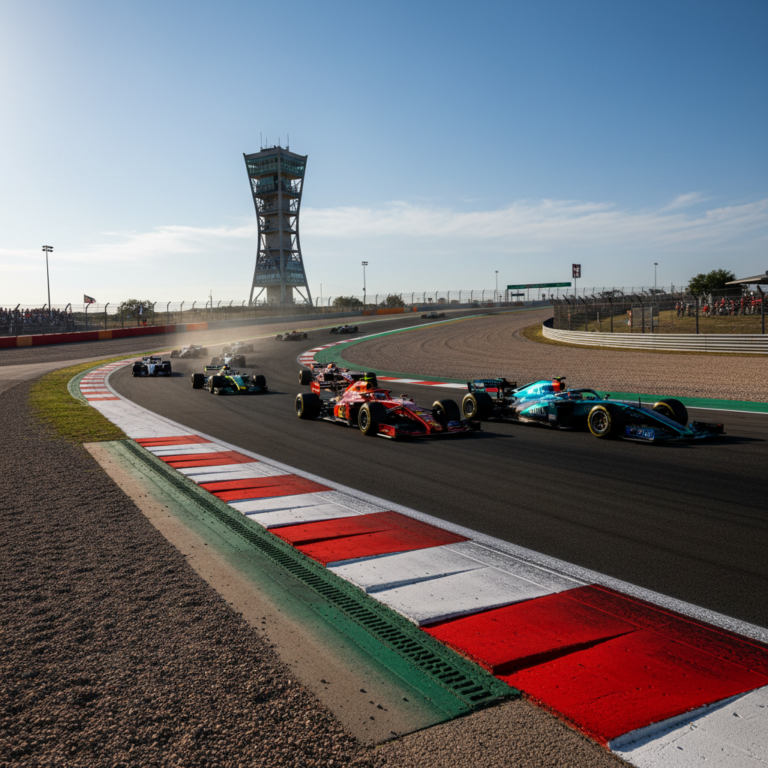
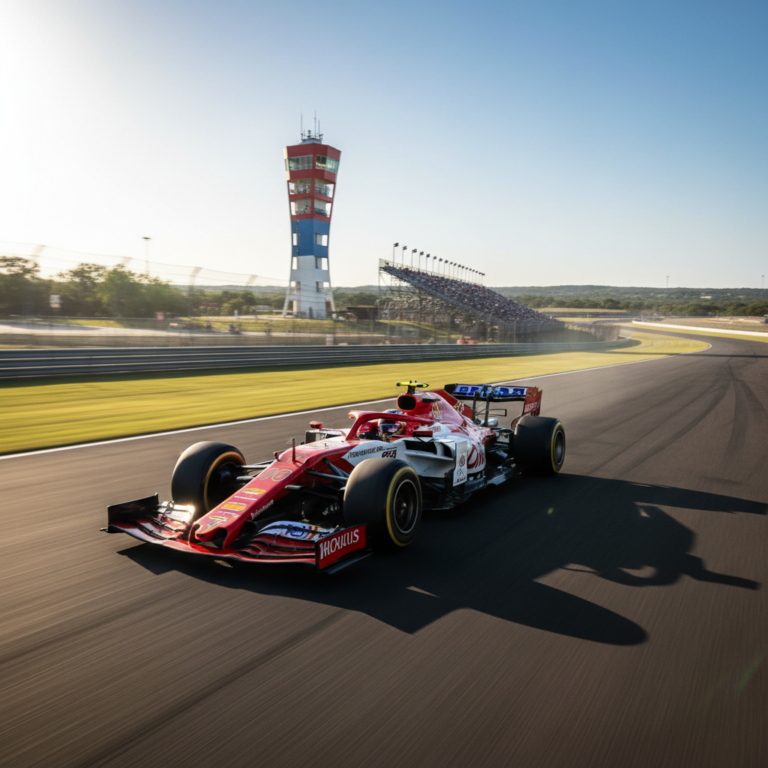
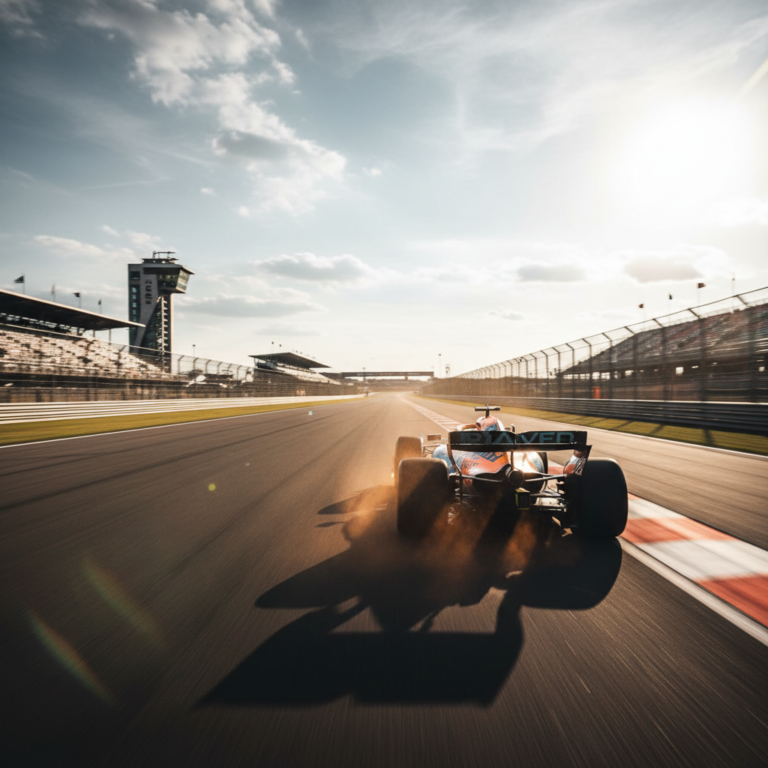
Mexico City sits more than 2,200 meters above sea level. For human lungs, it is a challenge. For a 2026 Formula 1 car, it is a flat-out nightmare. This weekend, the Autódromo Hermanos Rodríguez hosting the Mexican Grand Prix will not just be another race on the calendar. It represents the ultimate crucible for the sport’s radical new technical era.
We are deep into the first season of the sweeping 2026 regulations. The paddock has spent months wrestling with active aerodynamics and fully sustainable synthetic fuels. Now, these heavily debated technologies must face their most extreme test yet.
And the stakes could not be higher.
Just handfuls of points separate three drivers at the top of the standings. Red Bull’s Max Verstappen, Ferrari’s Charles Leclerc, and McLaren’s Lando Norris are locked in a ferocious, three-way fight for the world championship. Mexico could break the deadlock. Or it could throw the entire title race into chaos.
Thin Air and Active Wings
At high altitude, the air is incredibly thin. This has always meant two things in Mexico: less drag on the straights, but significantly less downforce in the corners. Cars slip through the air effortlessly but struggle to grip the track.
In 2026, the challenge is twice as complicated.
This year’s cars feature active aerodynamics. This includes movable front and rear wings that shift between a high-downforce “Z-mode” for cornering and a low-drag “X-mode” for the straights. On paper, it sounds simple. But at 2,240 meters above sea level, the aerodynamic balance is delicate.
“The transition between the wing modes is where the danger lies,” explains one rival team engineer. “In thin air, you are already operating on a knife-edge. If the active aero does not deploy perfectly or if the balance shifts too abruptly in the middle of a high-speed corner, the car becomes a passenger.”

Teams have spent hundreds of hours in simulators trying to map the transitions. But simulated wind tunnels cannot fully replicate the unpredictable gusts of Mexico City. A single miscalculation could send a championship contender into the barriers at turn one.
The Fuel and Engine Dilemma
Then there is the power unit. The 2026 engines rely on a 50/50 split between internal combustion and electrical power, running on 100 percent sustainable fuels. These synthetic fuels burn differently than old fossil fuels. They require precise combustion mapping.
Because the air is so thin, the turbocharger has to work much harder to pump oxygen into the engine. This generates immense heat. In past years, keeping the engine and hybrid systems cool in Mexico was already a headache. With the massive electrical output required by the 2026 rules, thermal management is now a matter of survival.
If a team has to turn down their engine to prevent it from overheating, they will lose massive chunks of time on the 1.2-kilometer main straight. In a title race this tight, dropping even a tenth of a second per lap could ruin a driver’s weekend.
Three Men on a Wire
For the championship trio, the weekend is a high-wire act.
Verstappen has historically dominated in Mexico, using Red Bull’s traditional mechanical grip to overcome aerodynamic deficits. But the 2026 Red Bull has shown vulnerability on bumpy tracks, and the high-altitude cooling demands could force them into compromises.
Leclerc and Ferrari have been the masters of qualifying lately. The Italian team’s power unit has coped well with the sustainable fuel transition, but their active aero setup has occasionally looked twitchy in gusty conditions.
Then there is Norris. McLaren has built a remarkably balanced car that excels in transition zones. If the active aero behaves predictably, Norris could easily sweep the weekend. But McLaren’s cooling package is notoriously tight, leaving them little margin for error in the heat of Mexico City.
There are only a few races left after this one. Every single point is precious. The team that masters the thin air, keeps their hybrid unit cool, and coaxes their active wings to behave will take a giant step toward the trophy. The rest might just watch their championship hopes evaporate in the thin Mexican air.
About the Author