The breaking point of elite football
The bill for North America’s summer of soccer has finally arrived in Europe, and it is staggeringly expensive.
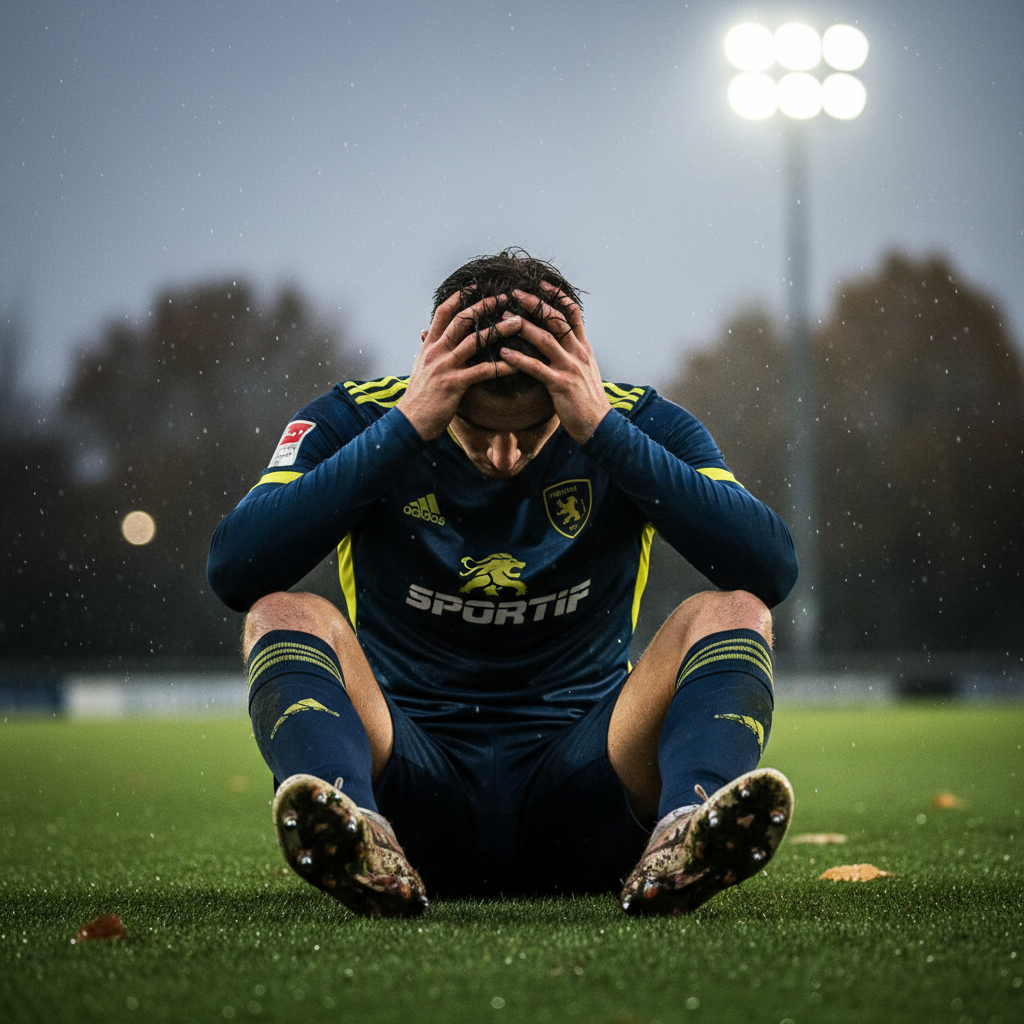
It is mid-October, and the medical rooms of Europe’s elite football clubs are overflowing. From London to Madrid, the post-World Cup hangover has evolved from a metaphorical headache into a physical crisis. Hamstrings are snapping. Knees are giving out. Chronic fatigue has sidelined some of the global game’s biggest stars, leaving managers furious and squads stretched to their absolute limits.
The math was always going to catch up with the sport. The tournament in Canada, Mexico, and the United States was the largest in history, featuring 48 teams and stretching over nearly six weeks. Players who reached the later stages endured grueling travel across multiple time zones, followed by almost no summer break before reporting back to their domestic clubs.
A devastating toll on elite squads
Now, the consequences of that packed summer schedule are stark. Manchester City has struggled with several first-team players out with soft-tissue injuries. Real Madrid has missed key starters in midfield, while Bayern Munich and Paris Saint-Germain are navigating their domestic campaigns with heavily rotated lineups. Medical staff are working overtime, but they are fighting a losing battle against the human body’s limitations.
“We are asking these guys to be machines, but they are flesh and bone,” says Dr. Thomas Moreau, a sports medicine consultant who works with several Ligue 1 players. “When you combine high-intensity matches, constant travel, and inadequate recovery time, the nervous system eventually shuts down. What we are seeing this October isn’t a coincidence. It is a predictable physiological collapse.”

Warnings ignored and the red zone
FIFPRO, the global players’ union, had warned about this looming disaster for years. Before the tournament, they published data showing that top-tier players were already spending up to 85 percent of their year in “red zone” physical workloads. The expansion of the Champions League to a Swiss-model system, combined with the revamped Club World Cup and the expanded national team calendar, has pushed elite athletes past the point of safe return.
For managers, the situation has moved beyond tactical frustration and into pure survival mode. The pressure to win matches conflicts directly with the duty of care toward the players.
- Drastic rotation: Managers are forced to bench stars for crucial matches to avoid muscle tears.
- Watered-down training: High-intensity tactical sessions have been replaced by light recovery and ice baths.
- Youth squad reliance: Academies are being emptied to fill the bench for midweek European fixtures.
The financial and sporting fallout
The crisis is also threatening the quality of the product on the pitch. Fans pay premium prices to see the world’s best, but many of those stars are currently watching from the stands in orthopedic boots. Broadcasters are privately expressing concern over declining ratings for midweek European fixtures that now feature depleted, heavily rotated squads.
Some clubs are trying to adapt by using advanced biometric monitoring to predict injuries before they happen. GPS trackers, sleep-monitoring rings, and daily blood tests are standard protocol. Yet, knowing a player is tired does not solve the manager’s dilemma when three points are on the line in a crucial league fixture. You either play them and risk a three-month layoff, or bench them and risk losing the match.
As the winter schedule approaches, there is no relief in sight. The matches will keep coming, two or three times a week, until next summer. Unless governing bodies like FIFA and UEFA agree to scale back the global calendar, this October’s injury crisis might not be an anomaly. It might just be the new normal.
About the Author