Gamers looking for cheap digital titles are facing a major roadblock. Microsoft has quietly updated its Xbox Store terms, effectively killing a massive loophole that allowed players to buy cheap game codes from other regions.
For years, budget-conscious Xbox owners used a simple workaround to save money. They frequented grey-market key reseller sites like Eneba, Kinguin, and G2A. These platforms host sellers who buy digital game keys or Xbox gift cards in countries with weaker currencies—like Argentina, Turkey, or Brazil—and resell them to buyers in wealthier markets like the US or Europe.
By turning on a virtual private network (VPN) set to the source country, buyers could log into their Microsoft accounts and redeem the cheap keys. A seventy-dollar game could often be had for a fraction of the price.
Those days are officially over.
The End of the VPN Loophole
Microsoft’s newly updated terms of service place strict geographical locks on digital purchases. The system now enforces a hard rule: the region where the code was bought must match the region of the user’s Microsoft account and their physical IP address. To make things even tougher, Microsoft has stepped up its detection of VPNs. Many users attempting to bypass the locks are finding their accounts blocked from redeeming foreign codes entirely.
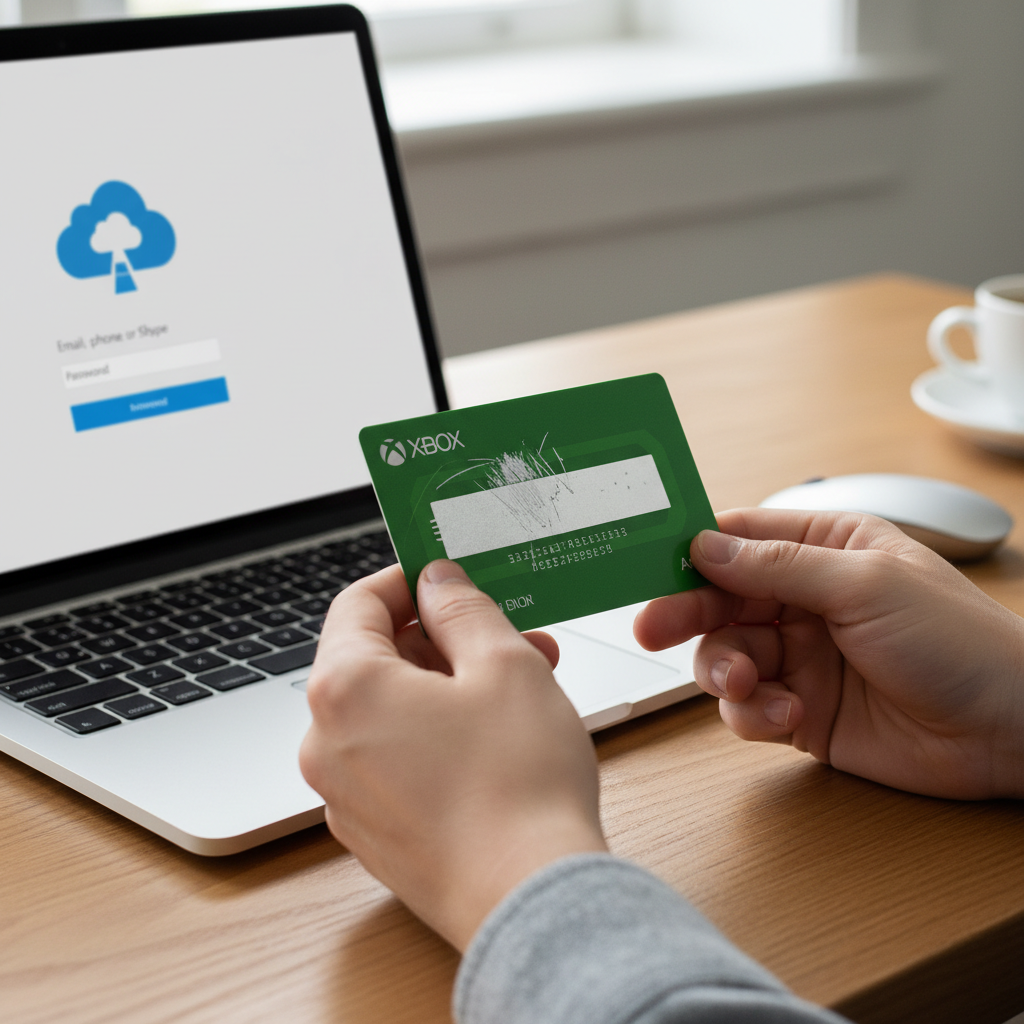
This move hits bulk-redemption networks particularly hard. These operations buy up gift cards and promotional codes in massive quantities to sell them at a premium on third-party sites. Under the new rules, Microsoft has restricted the amount of regional currency that can be added to an account, capping promotional balances and limiting the stacking of foreign codes.
The backlash online has been swift. Over on Reddit and gaming forums, threads are filling up with frustrated players. Many report seeing error messages stating that the code does not match their region, even when using high-quality VPN services. Some users who managed to redeem codes using these workarounds in the past have reported that their recently acquired games are being revoked from their libraries.
Why Regional Pricing Matters
While gamers are annoyed, the change is a logical step for Microsoft and game publishers. Regional pricing exists for a reason. It allows publishers to sell games at lower, more affordable rates in developing nations where average wages are lower. When consumers in wealthier nations exploit these prices, it distorts the market.
In the past, publishers reacted to this exploitation by dramatically raising prices in countries like Turkey and Argentina. This punished local gamers who could no longer afford new releases. Valve took drastic measures on its Steam platform last year by eliminating local currencies in those regions entirely, switching them to US dollars. Microsoft is choosing a different route by clamping down on code redemption rather than completely abandoning local pricing, though prices have still risen significantly in those areas.
What This Means for Players
The impact is especially tough for owners of digital-only consoles, like the Xbox Series S. Without a disc drive, these players rely entirely on digital storefronts. When the official store prices remain high, cheap regional keys were often the only way budget-conscious players could build their libraries.
Third-party marketplaces are already feeling the heat. Listings for regional Xbox codes have dropped, and many sellers have added bold warning labels advising customers that VPN activation may no longer work. For Microsoft, the update protects its bottom line and keeps digital publishers happy. For the average gamer, it means the era of dirt-cheap imported game keys is coming to an end. From now on, if you want to play a game on your Xbox, you will likely have to pay the price listed in your own backyard.
About the Author