The convenience of grabbing a last-minute gift card at the grocery checkout line has made them a staple of modern giving. But federal regulators are warning that a quiet threat is lurking on those crowded retail racks. The Federal Trade Commission (FTC) recently issued an alert about a sophisticated “tamper-and-paste” scam. This scheme targets physical Xbox gift cards in major retail chains across the country.
It is a low-tech exploit with high-tech consequences. Criminals are physically altering the cards right under the noses of store employees. By the time an unsuspecting buyer picks up a card, the trap is already set.
The Mechanics of the ‘Tamper-and-Paste’ Trick
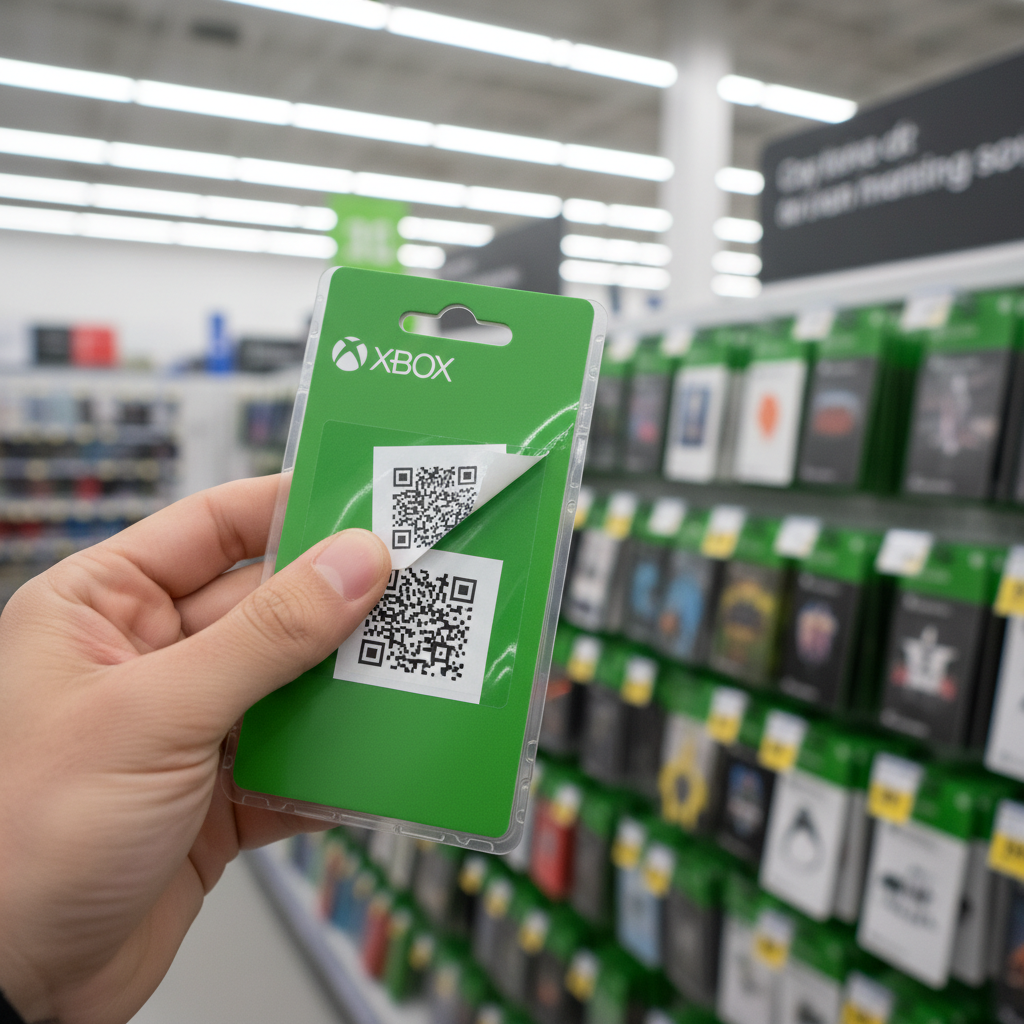
The scam relies on human trust and a tiny piece of adhesive paper. Fraudsters print sheets of counterfeit QR codes designed to look identical to the legitimate ones printed on Xbox gift card packaging. They walk into busy retail stores, locate the gift card display, and discreetly stick these fake codes directly over the real ones.
To the average shopper, everything looks normal. The packaging appears intact. The branding is correct. However, that tiny sticker completely reroutes the flow of information and money.
When you scan a hijacked QR code, you do not reach the official Microsoft or Xbox activation portal. Instead, the code sends your smartphone to a highly convincing phishing website. These dummy sites are designed to harvest your personal information, credit card details, or the unique pin number on the gift card itself.
How the Fraud Unfolds at the Register
The deception works in a couple of different ways depending on how the store handles activations. In some setups, the cashier must scan a QR code on the back of the packaging to load funds onto the card. If the fake sticker is in place, the register might route the payment straight into the scammers’ account. The transaction completes, but the physical card in your hand remains completely empty.
In other scenarios, the scam targets the buyer directly. Many modern gift cards feature QR codes that invite customers to “scan here to activate” or “scan for a special digital bonus.” Curious buyers whip out their phones, scan the sticker, and get redirected to a fraudulent site. Once they input their card details or login credentials, the scammers instantly drain the balance.
It is a swift process. Once the funds are gone, recovering them is incredibly difficult. Gift cards do not carry the same federal fraud protections as traditional debit or credit cards.
FTC Safety Recommendations for Shoppers
The FTC is urging consumers to be incredibly vigilant when buying gift cards this season. Because the scam relies on physical tampering, a close inspection can often reveal the trap before you lose your money.
Here are the key warning signs to look out for:
- Feel the back of the card: Run your finger over the QR code and the surrounding packaging. If you feel a raised edge, a bump, or double layers of paper, put the card back. It is likely a sticker pasted over the real code.
- Compare cards on the rack: Grab two or three of the same Xbox cards and look at them side by side. Do the QR codes align perfectly? Are the colors slightly off on one? If one card looks different, notify store management.
- Examine the protective scratch-off strip: Make sure the silver coating covering the PIN on the back is completely intact. If it looks scratched, peeled, or wrinkled, do not buy it.
- Keep your receipt: Always keep your physical paper receipt and take a photo of it. If something goes wrong, the receipt is your only proof of purchase and activation.
What to Do If You’ve Been Scammed
If you realize you purchased a compromised card, act quickly. Contact Microsoft or Xbox customer support immediately to report the fraud. If you catch it fast enough, they might be able to freeze the card before the scammers can spend the funds, though this is rare.
Next, report the incident directly to the store where you bought it. Retailers need to know if their inventory has been compromised so they can pull the tampered cards from the shelves. Finally, file a report with the FTC at ReportFraud.ftc.gov. These reports help federal authorities track patterns and work with major retail chains to stop these rings.
Do not let scammers ruin your holiday shopping or gift-giving. A simple physical inspection takes only five seconds, but it can save you from a major headache.
About the Author