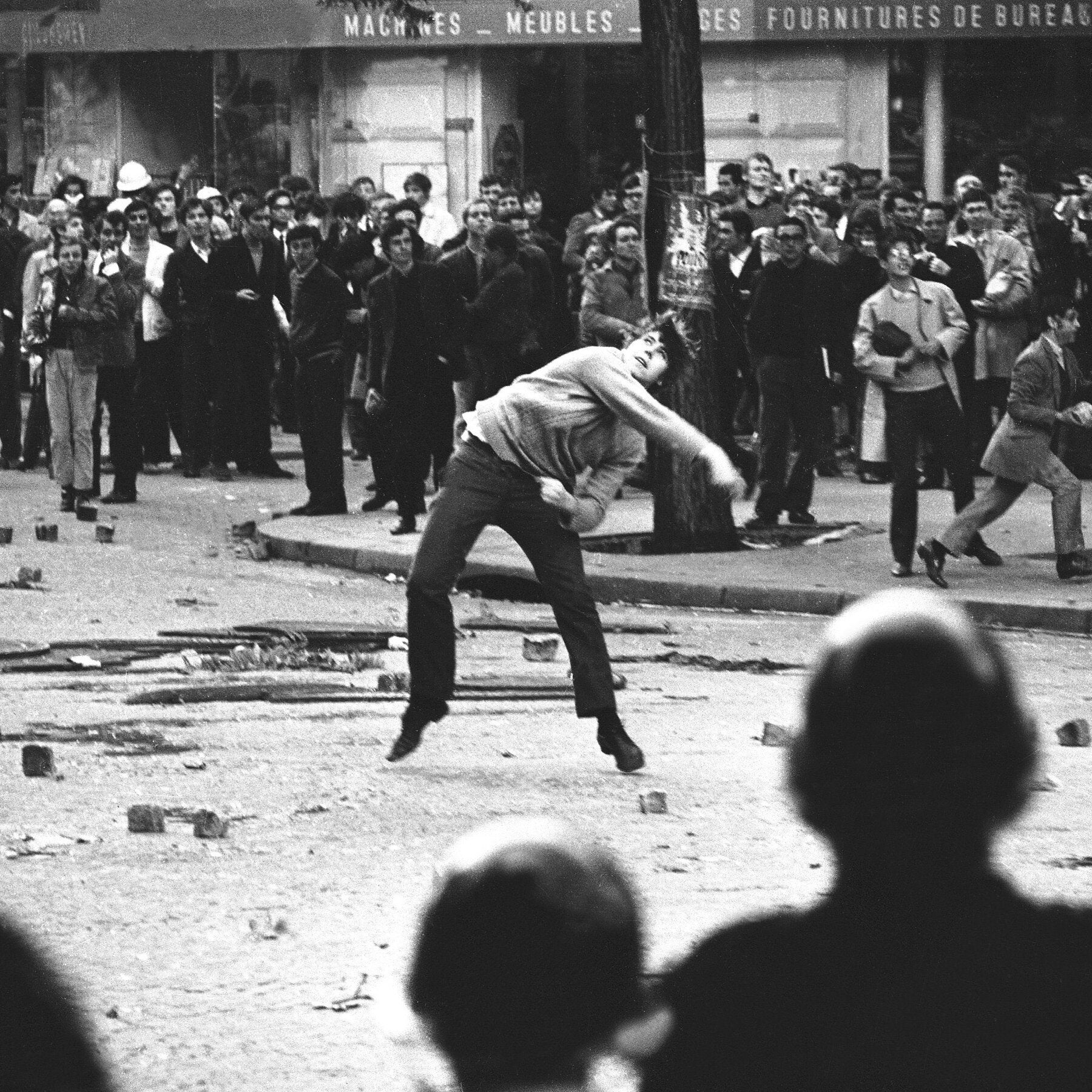
Cardboard placards blocked the gates of the Sorbonne once again this spring. Down the road at Sciences Po, students pitched tents in courtyards, chanting through megaphones until police in riot gear cleared the premises. The images looked familiar. To anyone who follows French politics, they felt almost scripted.
Street mobilization in France is not viewed as an occasional disruption. For centuries, it has served as an unofficial branch of government—a physical veto against decisions made in the Élysée Palace or the National Assembly. Recent student rallies over international conflicts, pension reforms, and education policies showed that this habit of defiance remains very much alive.
The Long Line of French Street Rebellion
To understand why French students take to the cobblestones so readily, you have to look back to 1789. The storming of the Bastille established the idea that public unrest can instantly reshape the state. That principle resurfaced in 1830, 1848, and 1871 during the Paris Commune.
By the 20th century, universities became the natural spark plugs for unrest. The defining benchmark remains May 1968. What started as localized grievances at Nanterre University quickly engulfed the country. Within weeks, roughly ten million workers went on strike alongside students, paralyzing industry, halting transport, and pushing President Charles de Gaulle to briefly flee to Germany.
Since then, every generation of students has tried to measure its power against that myth. Sometimes, it worked. In 1986, massive youth marches forced the government to scrap the Devaquet university reform bill after weeks of confrontations. Twenty years later, in 2006, university sit-ins and secondary school walkouts killed the First Employment Contract, a labor measure designed to make it easier to fire young workers.
How Today Compares to the Past
Today’s student actions differ from those watershed moments in several critical ways:
- Scale and breadth: Current mobilizations rarely draw millions into the streets. Instead, they center on tight-knit networks of highly active students, often limited to prestigious campuses in Paris, Lyon, or Rennes.
- Fragmentation of causes: While 1968 and 2006 rallied around broad domestic and economic grievances that linked students with industrial labor unions, recent protests often target specific geopolitical crises, institutional governance, or climate targets.
- Digital organizing: Leaflets and general assemblies on campus steps have given way to encrypted messaging channels and social media broadcasts. Mobilizations happen faster, but they often burn out just as quickly.
Despite these shifts, the underlying logic has not changed. Students still believe direct action is the quickest way to force a hearing.
A Harsher Response From the State
What has changed dramatically is the tolerance level inside ministries. During earlier eras, university presidents were reluctant to allow police onto academic grounds, respecting a tradition of campus autonomy that dates back to the Middle Ages.
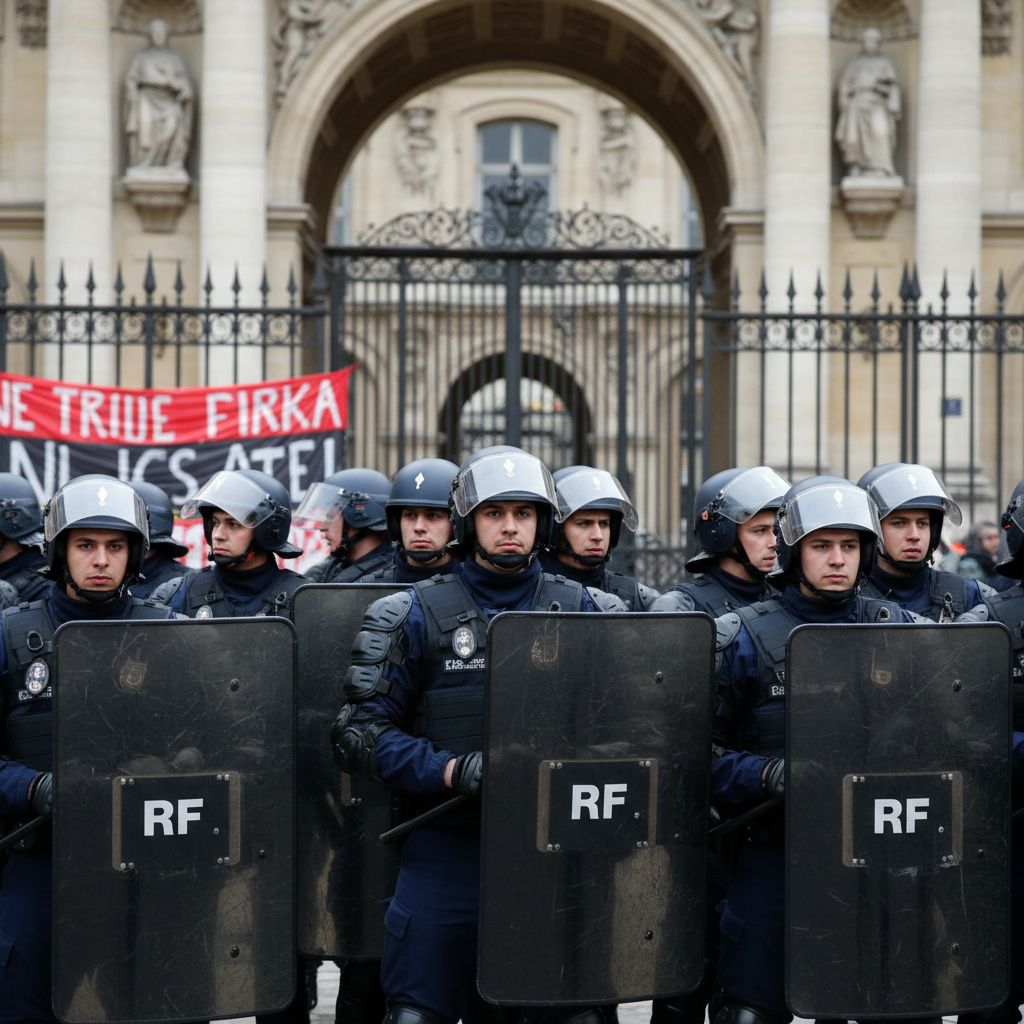
That taboo has eroded. Over the past two years, university administrators have routinely called in the CRS riot police within hours of occupations beginning. Politicians across the spectrum have adopted an unapologetically tough tone, condemning blockades as anti-democratic and disruptive to ordinary classes.
Critics say this approach shows how nervous the political establishment has become. With traditional political parties weakened and labor union density hovering below 10 percent, the state no longer has reliable intermediaries to negotiate with. When unrest flares up, the encounter between protesters and riot shields is immediate and direct.
The Power of the Street Myth
Whether a student occupation lasts three hours or three weeks, it draws power from France’s collective memory. In many Western democracies, demonstrations are treated as civic feedback. In France, they carry the weight of founding mythology.
A few hundred students linking arms in the Latin Quarter might not bring down a government today. But ministers still watch closely. In a country where the street has overturned regimes before, no leader ever assumes a student protest will stay small.
About the Author






