The Future of Passing at Turn 1
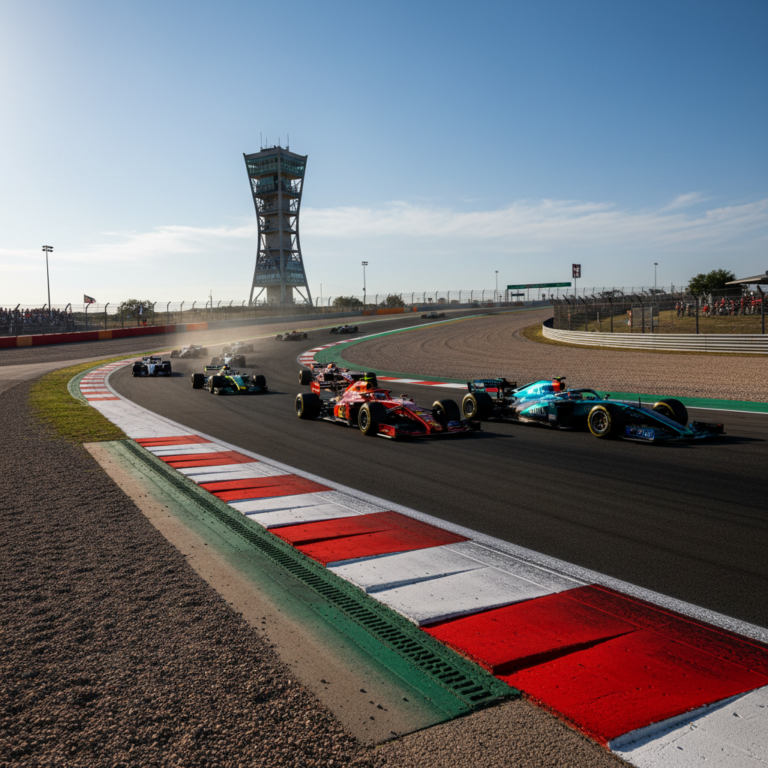
Austin’s Circuit of the Americas has always been a theatre for high-speed drama. The steep climb to Turn 1, the sweeping esses, and the massive back straight make it a perfect playground for wheel-to-wheel combat. But as the paddock sets up in Texas, the conversation is already shifting to the future. Specifically, to 2026. That is when Formula 1 will introduce its most radical technical overhaul in decades, and engineers are already running the numbers on how these new machines will race on tracks like COTA.
The upcoming changes are not just minor tweaks. They represent a fundamental rewrite of how an F1 car generates speed. The current hybrid power units rely heavily on the internal combustion engine, supplemented by a complex dual-energy recovery system. In 2026, the MGU-H—the system that recovers energy from exhaust gases—is history. Instead, the sport is moving to a near 50-50 split between traditional fuel and electrical power.
On paper, this sounds green and forward-thinking. In practice on a racetrack, it creates a massive engineering headache.
The Battle of the Batteries
The internal combustion engine’s output will drop from around 560 kW to just 400 kW. Meanwhile, the battery’s contribution will surge to 350 kW. That is nearly triple the electrical boost of today’s cars. The catch? Keeping that battery charged. At a track like Austin, with its long, power-hungry back straight, drivers could easily drain their batteries before they even reach the braking zone for Turn 12. If a driver runs out of electrical deployment early, they will hit a metaphorical wall on the straight. Opponents call this “clipping,” and it leaves a car completely defenseless.
To stop cars from crawling down the straights, F1 is introducing active aerodynamics. This goes far beyond the current Drag Reduction System (DRS). The 2026 cars will feature moveable front and rear wings that shift between two distinct setups. Drivers will run in “Z-mode” through the high-speed corners of Austin’s first sector to maximize downforce. Once they hit a straight, the car will automatically switch to “X-mode,” flattening the wings to slash drag and boost top speed.
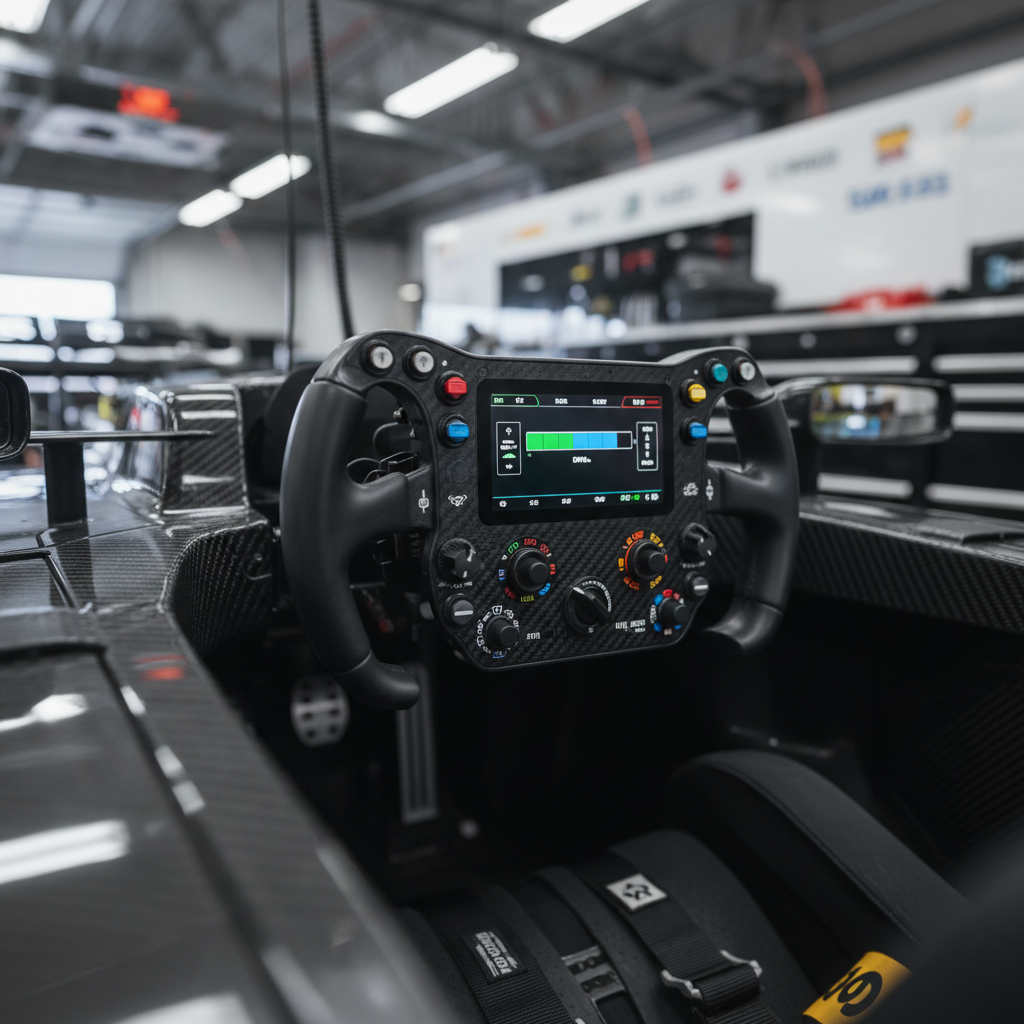
But if everyone has a slippery car on the straights, how does anyone pass?
The New Manual Override Mode
That is where the new Manual Override Mode comes in. This is F1’s replacement for DRS. Instead of opening a wing flap, a chasing driver within a second of the car ahead will get a temporary performance advantage. The system allows the trailing car to deploy maximum electrical power up to 345 km/h, while the leading car’s electrical power begins to taper off once they pass 290 km/h.
It is a digital game of cat and mouse. The chasing driver gets a sudden burst of hybrid power just as the lead car starts to lose theirs. It sounds chaotic. It might be.
Paddock opinion in Austin is split on whether this will actually improve the racing. Some drivers have expressed concern after running early simulator models. There are fears that the racing could become artificial, or worse, that drivers will have to downshift on straightaways just to keep their batteries charged.
“We need to make sure we aren’t creating a situation where the driver has to manage too many things on a single lap just to defend,” one paddock insider noted. “If the energy management is too extreme, overtaking becomes a mathematical formula rather than a driver’s instinct.”
The FIA has insisted that the regulations will be refined before the cars hit the track in 2026. But the debates echoing through the Austin garages show just how high the stakes are. COTA’s natural overtaking zones are a product of brilliant track design. The fear is that the 2026 rules might turn this natural spectacle into an engine-mapping simulation.
About the Author