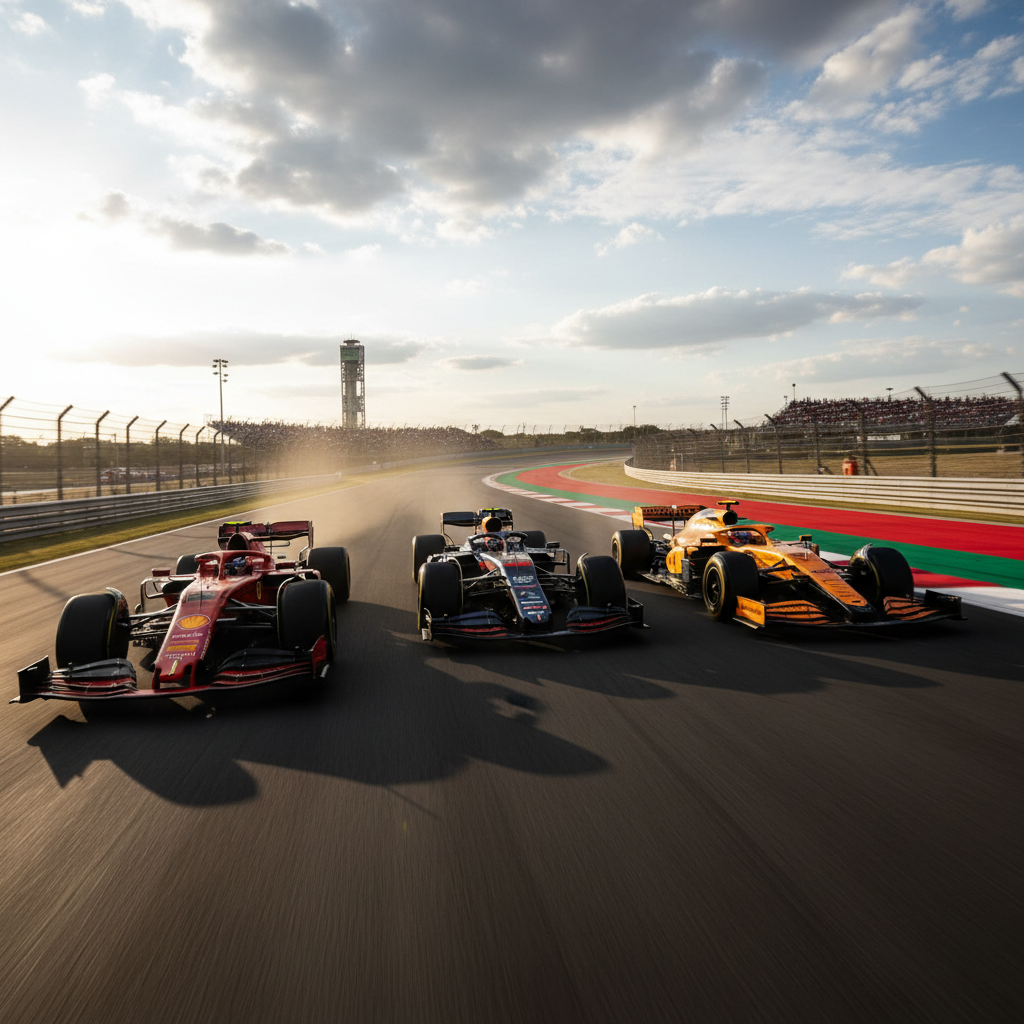
The Grid Reborn
The engines sound different. They behave differently. And, most importantly, they have completely shattered the old hierarchy. Formula 1’s arrival in Austin for the United States Grand Prix marks the start of a crucial final stretch in a season that has defied every pre-season prediction.
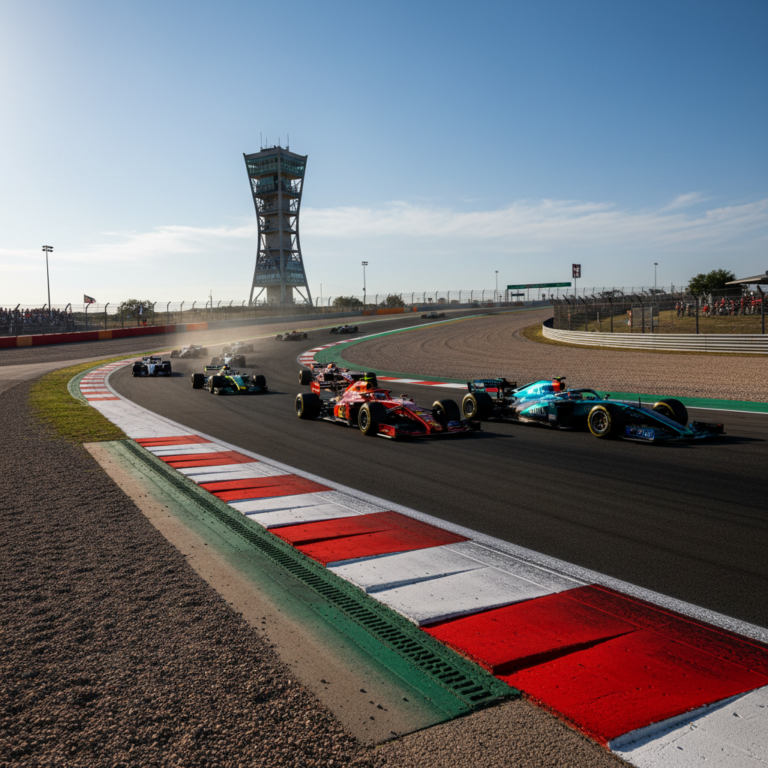
When the sport introduced its radical 2026 power unit regulations, many feared a single manufacturer would dominate. Instead, the grid has compressed. As teams set up in the Texas paddock, a mere 17 points separate the top three drivers. Max Verstappen, Lewis Hamilton, and Lando Norris are locked in a fierce, multi-way title fight that has revitalized the sport.
The 50/50 Power Struggle
At the heart of this shake-up is the new engine formula. The complex and expensive Motor Generator Unit-Heat (MGU-H) is gone. In its place is a simplified setup that splits power equally between the internal combustion engine and a massive 350kW electric battery. Combined with 100% sustainable synthetic fuels, the change forced engineers to rewrite their design books from scratch.
Some got it right immediately. Others stumbled. Mercedes, historically strong during major rule transitions, delivered a highly efficient electric recovery system. This has kept McLaren, their primary customer team, right at the front. Lando Norris has taken full advantage of this, using the Mercedes engine’s superior electrical deployment to secure four victories so far.
“We knew the engine would be the deciding factor this year,” Norris said during Thursday’s press conference in Austin. “The way the power delivers on the long straights here at COTA is going to be a massive chess game. It’s not just about flat-out speed anymore; it’s about when and where you use your battery energy.”
Ferrari’s Fuel Breakthrough and Red Bull’s Resilience
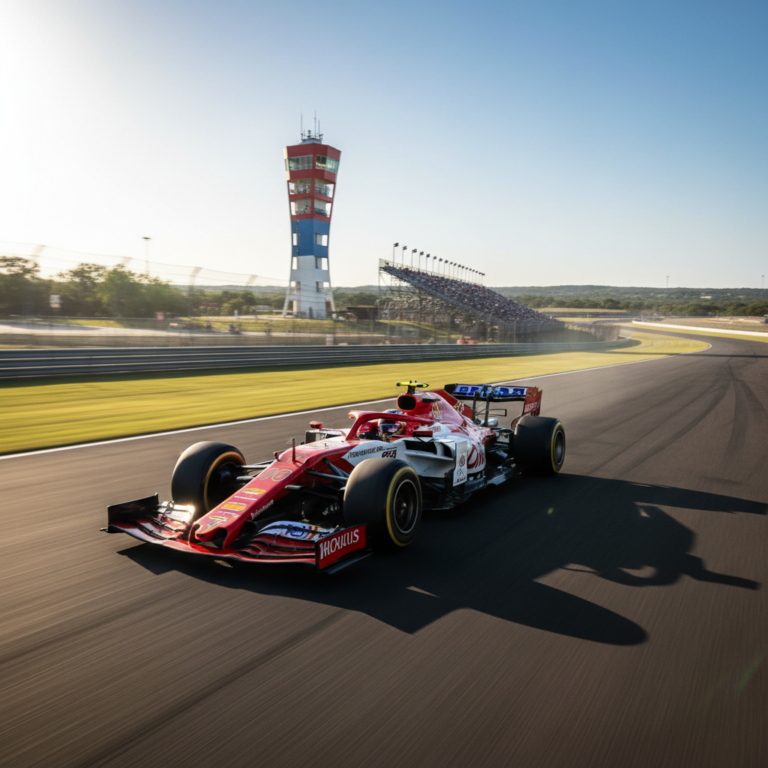
Ferrari took a different route, focusing heavily on combustion efficiency with their new sustainable fuel partner. The result is a power unit that excels in traction zones, allowing Lewis Hamilton to extract incredible performance in his second year with the Scuderia. Hamilton’s Ferrari has been the class of the field on twisty circuits, and Austin’s sweeping first sector will put their chassis-engine integration to the ultimate test.
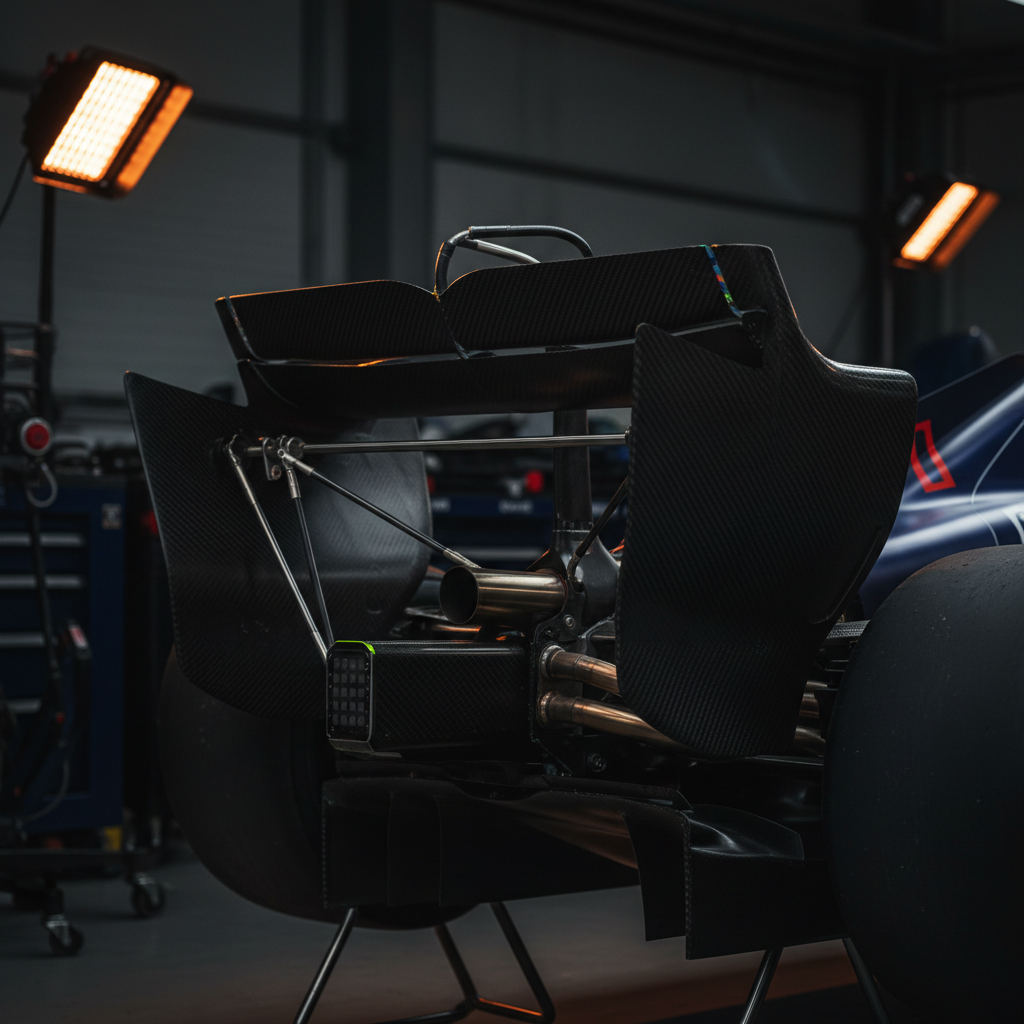
Meanwhile, Red Bull faced the steepest hill to climb. Partnering with Ford to build their first-ever in-house engine was a massive gamble. Early season reliability issues plagued Verstappen, but the Milton Keynes squad has rapidly developed the unit. Verstappen’s sheer relentless driving has kept him at the top of the standings, albeit by a whisker.
“We had to learn a lot of hard lessons in the first few races,” Verstappen admitted. “But the team has worked flat out. We are still in the hunt, but we cannot afford a single mistake now. Austin is always tough on the car, and the bumps make managing the hybrid system even harder.”
Active Aerodynamics and the Austin Challenge
The engine regulations also birthed a new aerodynamic philosophy. To offset the high drag of the heavy hybrid power units, cars now feature active aerodynamics. Wings shift between high-downforce ‘Z-mode’ in corners and low-drag ‘X-mode’ on the straights.
This dynamic has turned overtaking into an art form. COTA’s famous climb into Turn 1 and the long back straight will see drivers constantly shifting wing profiles while managing their battery discharge. A mistake in timing could leave a driver defenseless against a charging rival.
A Clash of Concepts on a Bumpy Track
The Circuit of the Americas is notorious for its bumpy surface, a product of the shifting Texas clay beneath the asphalt. For the 2026 cars, which rely on precise ride heights to maximize their active aerodynamics, these bumps present a major headache. Teams must find a compromise. Running the car too low risks floor damage and instability, but raising the ride height compromises aerodynamic efficiency.
This compromise plays differently into each team’s hands. Ferrari’s mechanical grip has been superb all season, allowing Hamilton to handle uneven surfaces better than most. Red Bull, known for their aerodynamically stable platforms, will rely on their advanced suspension to keep Verstappen competitive over the bumps. McLaren, meanwhile, will look to exploit their straight-line speed advantage on the newly repaved sections of the track.
For the fans, the unpredictability is a breath of fresh air. After years of single-team dominance, the 2026 regulations have delivered exactly what they promised: a level playing field where driver skill, engineering adaptability, and strategic execution decide the winner. Under the warm Texas sun, the battle for the championship is about to reach a boiling point.
About the Author