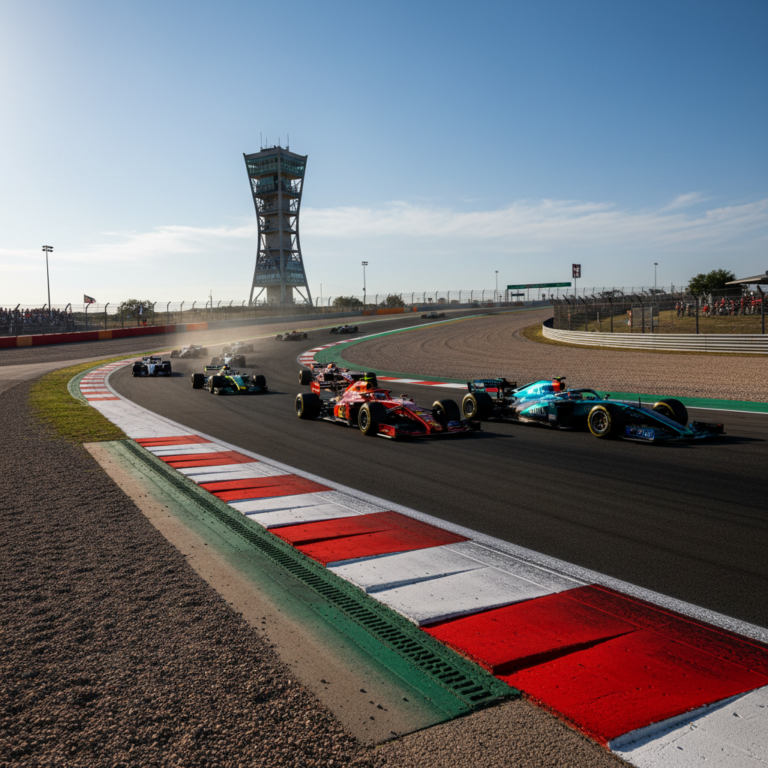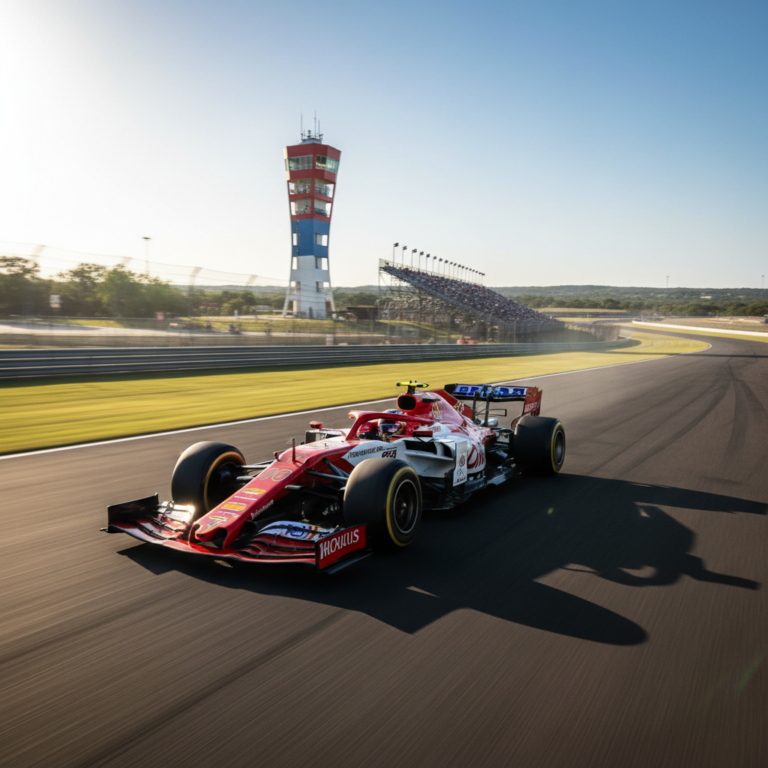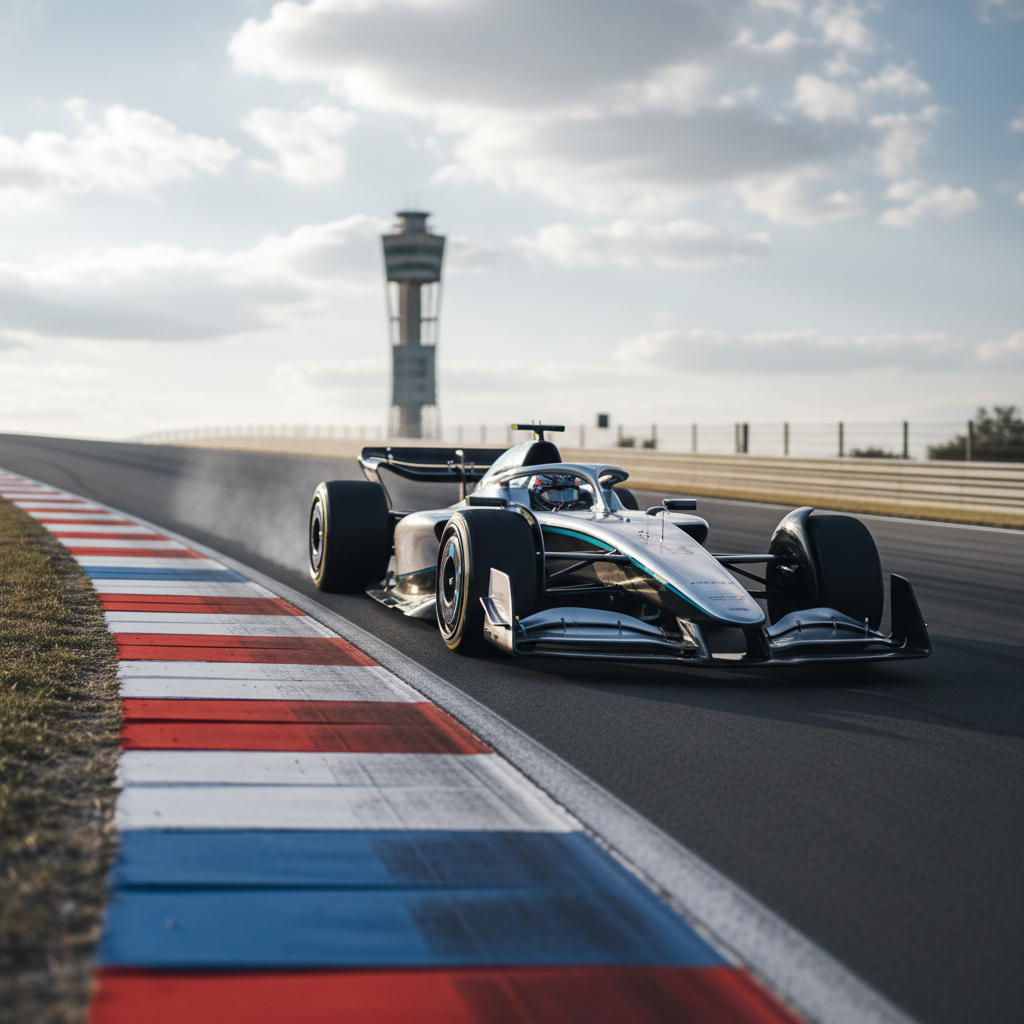
The Circuit of the Americas has always put on a show. But as the Formula 1 paddock unpacks its crates in Austin this week, the atmosphere feels entirely different. This is not the sport we watched last year. The sweeping changes of the 2026 engine regulations have not just tweaked the competitive order. They have smashed it to pieces.
For seasons, Red Bull held a tight grip on the championship trophy. Now, they are fighting just to stay on the podium. The radical shift to a 50-50 split between internal combustion and electrical power, combined with the debut of Red Bull-Ford’s first in-house power unit, has proved to be a brutal mountain to climb. Meanwhile, their rivals have seized the moment. Aston Martin, now running works Honda engines, leads the constructors’ standings by a mere handful of points over a resurgent Ferrari.
The Math Behind the Chaos
What made the grid flip so fast? The answer lies in the engineering. The complex and wildly expensive MGU-H, which harvested energy from exhaust gases, was thrown in the bin. In its place is a heavily beefed-up MGU-K. This kinetic motor-generator now pumps out 350 kilowatts of power, nearly triple what the old cars managed.
But there is a catch. Because the internal combustion engine now produces far less horsepower, drivers rely on that electrical boost to stay competitive. If they run out of battery on a long straight, they suffer from what engineers call “derating”—essentially hitting an invisible wall. It has changed how drivers race. They can no longer simply stay flat-out. Instead, they must lift, coast, and manage their energy reserves strategically.
Active Aero Enters the Fray
It is not just about the power unit, either. To compensate for the drag created by these high-power batteries, F1 introduced active aerodynamics. The front and rear wings now adjust on the fly, shifting between high-downforce modes for cornering and low-drag modes for the straights. This requires seamless integration between the engine software and the chassis. If the wing fails to open or closes too late, the car becomes virtually undriveable. Several teams have struggled with this calibration, leading to wild spins and unexpected DNFs during the early rounds of the season.

Winners and Losers of the New Era
Ferrari’s engineers reportedly unlocked the secrets of the new 100% sustainable fuels earlier than anyone else. That early work has paid off. Charles Leclerc and Lewis Hamilton have used that combustion efficiency to keep the Scuderia at the front of the pack. It is a stunning turnaround for a team that spent years chasing Red Bull’s shadow.
Then there is Audi. Their entry into the sport via Sauber was met with plenty of skepticism. Yet, the German manufacturer’s power unit has proved surprisingly robust. While they are not winning races yet, their reliability has allowed them to snatch consistent points, leaving established teams like Alpine scrambling in the lower midfield.
Red Bull’s struggles have been the biggest talking point of the season. Building an engine from scratch is a monumental task, and the Milton Keynes squad is finding out just how hard it is without Honda’s direct input. Max Verstappen has had to drive the wheels off his car just to keep them in the top three in the standings.
What to Expect in Austin
The United States Grand Prix will be the ultimate test for these new powertrains. Circuit of the Americas is a notoriously bumpy track that demands everything from a race car. The climb up to Turn 1 requires massive low-speed torque, while the long back straight will stretch the new electrical recovery systems to their absolute limits.
If a team has not dialed in its software mapping, their drivers will be sitting ducks. Mercedes, currently third in the standings, is banking on their advanced energy-recovery algorithms to gain an edge. They have traditionally gone well in Texas, and George Russell is aiming for a breakthrough win.
One thing is clear as the engines fire up in the Austin heat: the old hierarchy is dead. This weekend is not just about who has the best aerodynamics. It is about who has mastered the software, the batteries, and the new green fuel. The 2026 season has delivered the unpredictability fans wanted, and COTA is ready to write the next chapter.
About the Author