The Texas Showdown and the 2026 Shadow
The Circuit of the Americas is ready for a fight. As Formula 1 lands in Austin for the United States Grand Prix, the battle between Max Verstappen and Lando Norris is reaching a boiling point. Norris is hunting down the Dutchman, and McLaren looks faster than Red Bull. Yet, behind the garage doors in the Texas heat, team bosses are staring at a different horizon. The massive regulatory storm of 2026 is already destabilizing the current title fight.
A Radical Engineering Clean Sheet
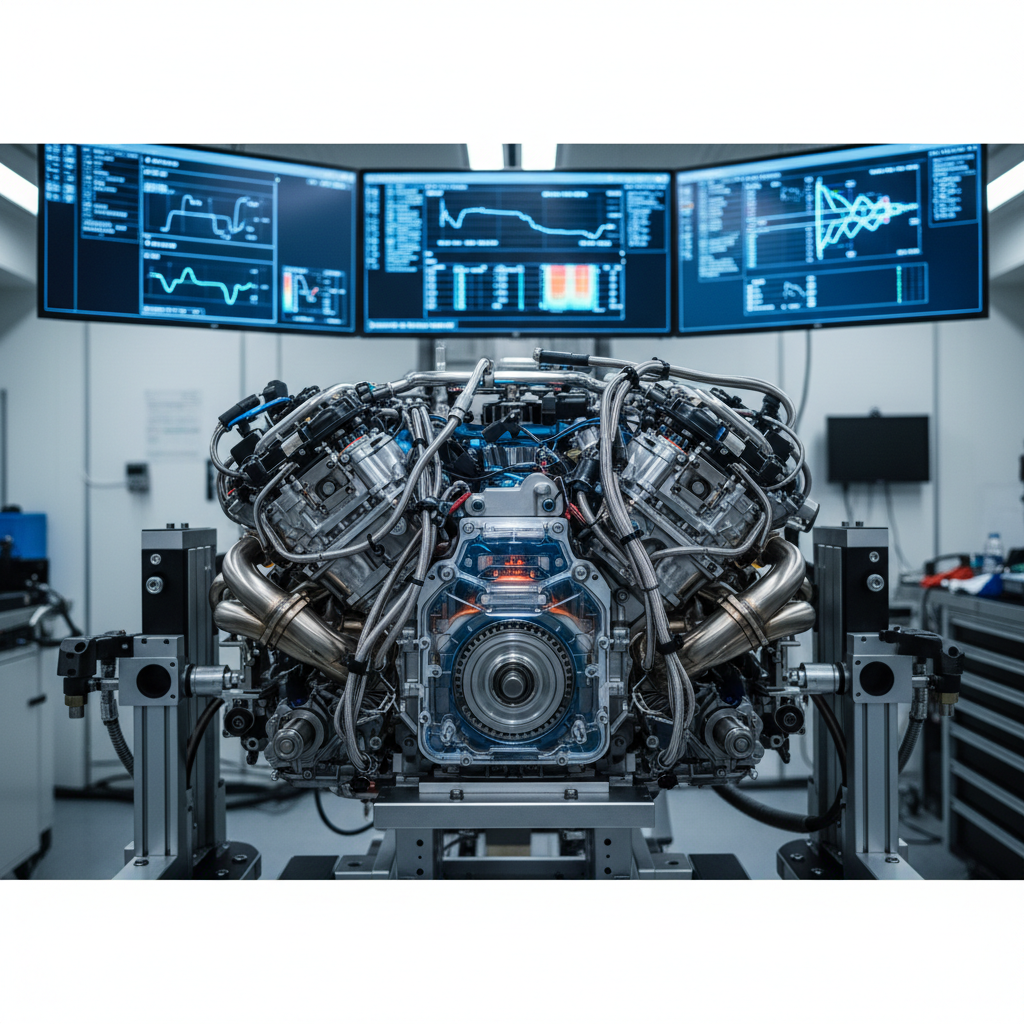
What makes 2026 so terrifying for the teams? It is the most radical engine overhaul in decades. The sport is ditching the highly complex, expensive MGU-H system. Instead, the new power units will rely on a nearly 50-50 split between a 1.6-liter turbocharged V6 and electric power. Combine that with 100% sustainable synthetic fuels and active aerodynamics, and you have a completely blank sheet of paper.
This is not a simple evolution. It is a revolution. For established powerhouses, it represents a massive risk of losing their competitive edge. For chasing teams, it is a golden ticket to the front of the grid. Because the new engines will produce less raw power from the internal combustion element, cars will rely heavily on active aerodynamics—wings that automatically adjust on straights to reduce drag. Drivers have already raised concerns after simulator runs, with some complaining about unpredictable handling when the battery drains.
The Budget Cap Trap
Under F1’s strict cost cap, teams cannot simply throw endless money at both problems. They have to choose. Do you spend your limited wind tunnel time and engineering budget on fixing the current car’s balance issues for the Austin race? Or do you shift those resources to the 2026 project to avoid starting the new era at the back of the pack?
Red Bull is currently caught in the worst of this squeeze. They are fighting to save Verstappen’s championship lead while simultaneously building their first-ever power unit, Red Bull Powertrains, in partnership with Ford. It is an astronomical task. Rumors about their early engine dyno performance have circulated for months. Those whispers are not just paddock gossip; they are actively shaping the driver market.
The Driver Carousel Spins Early
The 2026 rules are the real reason the driver market went wild so early this year. Lewis Hamilton did not decide to join Ferrari on a whim. He looked at the Italian team’s engine infrastructure and made a calculated bet. Similarly, Aston Martin’s signing of design legend Adrian Newey was sealed by the team’s upcoming exclusive works partnership with Honda for 2026.
Even Verstappen’s future remains a talking point. Mercedes team principal Toto Wolff has made no secret of his desire to lure the triple world champion to Brackley. Wolff is selling one main argument: Mercedes’ historical excellence in adapting to engine rule changes, just as they did in 2014. Verstappen is watching Red Bull’s engine progress closely. A bad simulator report could trigger a shock exit.
Austin’s Upgrade Dilemma
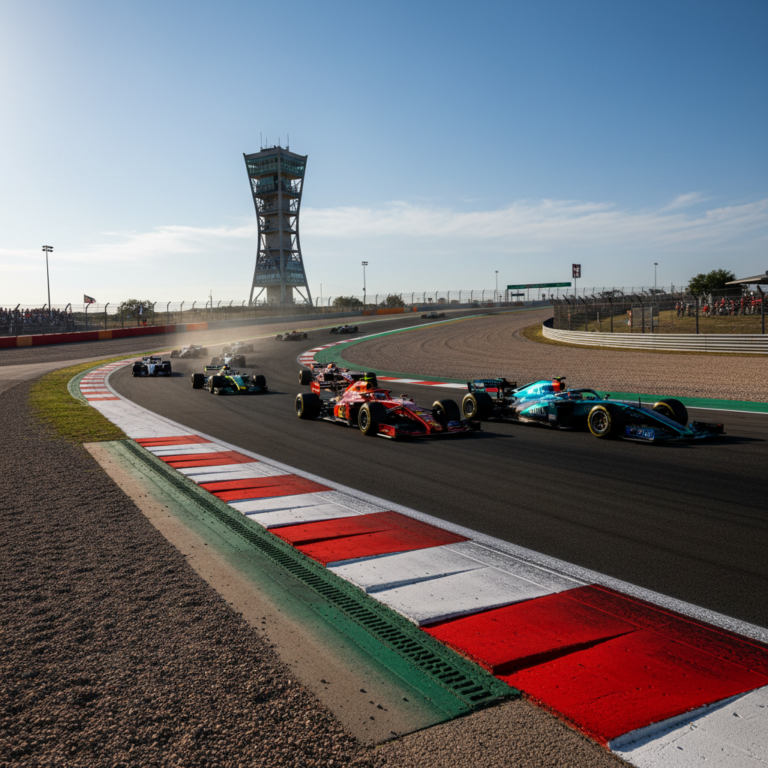
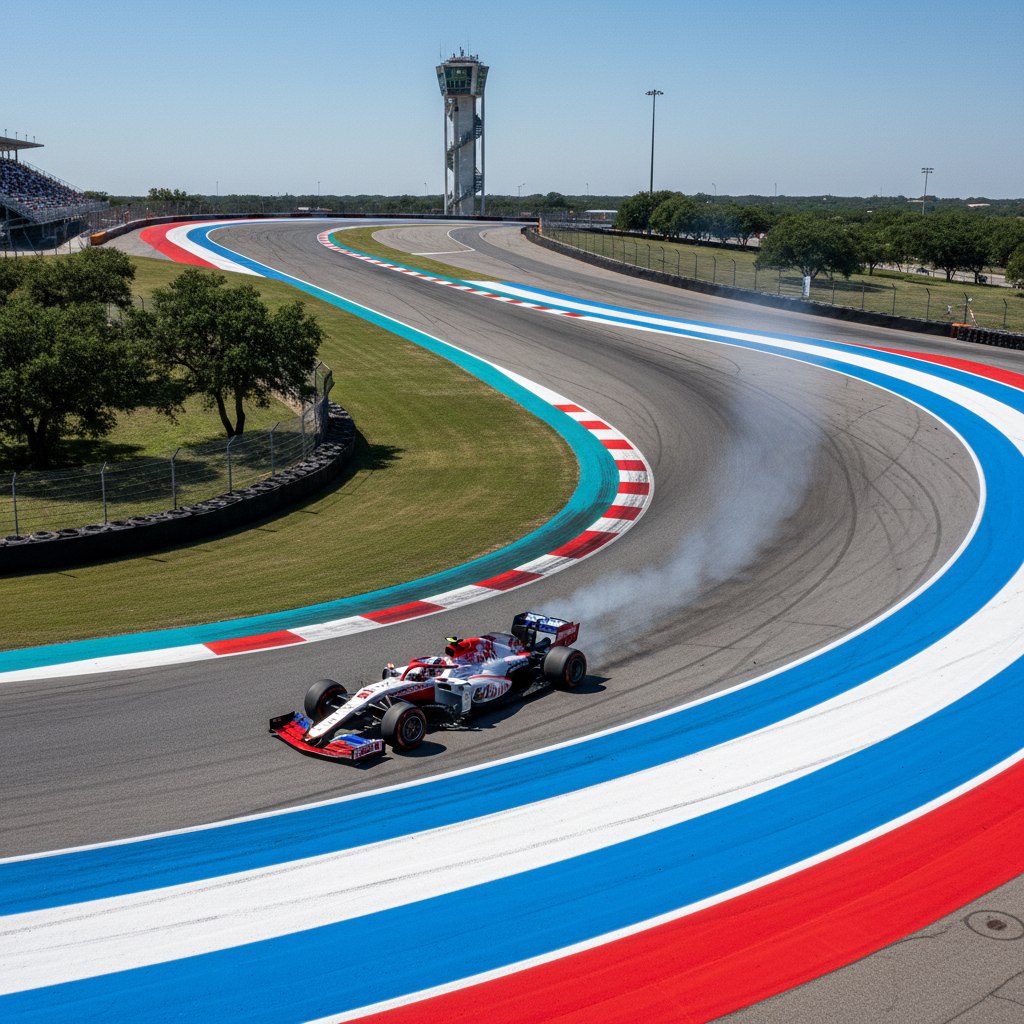
This weekend in Austin, the immediate focus is on the tarmac. COTA is a brutal track that punishes poor aerodynamics and high tire wear. Most teams, including Red Bull, McLaren, and Ferrari, are bringing their final major upgrade packages of the season here.
But these upgrades represent the final gasps of the current technical cycle. Every new floor or front wing brought to Texas has a direct cost. Teams are playing a high-stakes game of chicken. If McLaren pushes too hard now, they risk falling behind for 2026. If Red Bull stops developing, Norris could steal the drivers’ championship right out of Verstappen’s hands.
When the lights go out on Sunday, fans will watch a spectacular race through the sweeping curves of Sector 1. But the real race is being run in the design offices in Milton Keynes, Brackley, and Maranello. The decisions made there this month will shape the sport for the next five years.
About the Author