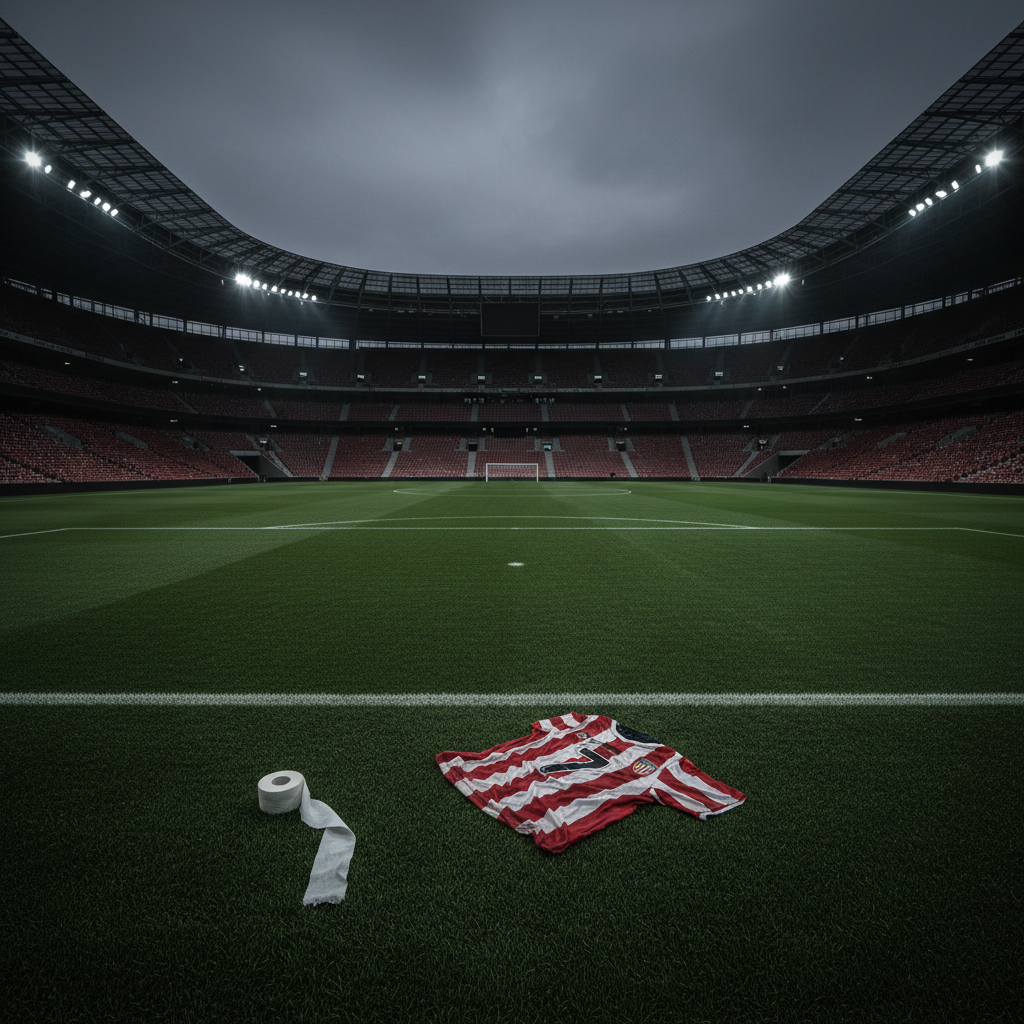
The treatment rooms at Europe’s biggest football clubs are overflowing. It is only October, but the casualty list already reads like a Ballon d’Or shortlist. Hamstring pulls, torn knee ligaments, and chronic fatigue are sidelining the game’s brightest stars. This is not a coincidence. It is the direct aftermath of a relentless summer and the shadow of an ever-expanding global football calendar.
The Breaking Point of Elite Athletes
Football has finally hit its physical limit. For years, governing bodies insisted that players could handle the load. But the transition into this season, heavily impacted by the expansion of international tournaments and the looming shadow of the new 48-team World Cup cycle, has triggered an unprecedented physical crisis. Players did not get a summer break. Instead, they got more flights, more high-intensity matches, and shorter recovery windows. Now, the bill has come due.
Take Manchester City’s midfield anchor, Rodri. Before his season-ending ACL tear in September, he publicly warned that players were close to striking over the congested schedule. His words proved tragically prophetic. He is not alone. Real Madrid, Arsenal, and Bayern Munich are all missing key personnel who played deep into the summer tournaments. According to data from sports performance insurers, muscle injuries in Europe’s top five leagues are up by nearly 30% compared to this time last year.
FIFPRO Sounds the Alarm
FIFPRO, the global players’ union, has been sounding the alarm for months. Their latest workload report highlights the extreme physiological strain on elite athletes. Some players are now logging over 60 appearances a season. That is nearly 6,000 minutes on the pitch, excluding grueling international travel and daily training sessions.

A normal human body needs time to rebuild. Professional athletes are no different. When you cut their summer rest period from a standard four weeks down to twelve days, their muscles simply fail. The constant micro-tears never quite heal, leaving players vulnerable to catastrophic joint and tendon failures under pressure.
Club vs. Country: A Growing War
The conflict between club interests and international federations has reached a boiling point. Club managers are furious. They pay the players’ multimillion-dollar wages, yet they must watch their prized assets break down while representing their countries or participating in bloated FIFA and UEFA tournaments.
- Managers are forced to field weakened lineups in crucial league matches.
- The overall quality of play is visibly declining due to fatigue.
- Squad rotation has become a survival tactic rather than a strategic choice.
“We are killing the players,” one prominent Premier League sporting director said, speaking on the condition of anonymity. “The quality of the product on the pitch is going to suffer. Nobody wants to pay premium ticket prices to watch reserve teams play.”
The Long-Term Economic Damage
It is not just a sporting disaster; it is a massive financial drain. A single long-term injury to a superstar can cost a club millions in lost revenue, medical bills, and wasted wages. With the new 48-team World Cup on the horizon, the pressure will only intensify. More teams mean more matches, longer travel distances, and even less time to recover. The current October crisis is merely a preview of what is to come.
Something has to give. Some suggest squad rotation is the answer, but fans expect the best players to play every week, and television broadcasters demand them. Others think squad sizes should be expanded, but that only helps the wealthiest clubs who can afford thirty top-tier players. The most realistic solution is a mandatory, protected off-season rest period. Until FIFA and UEFA sit down with the players’ unions to establish hard limits on matches per season, the injury list will keep growing. October used to be the month when the season found its rhythm. This year, it is the month the wheels started falling off.
About the Author