A Greener Way to Game
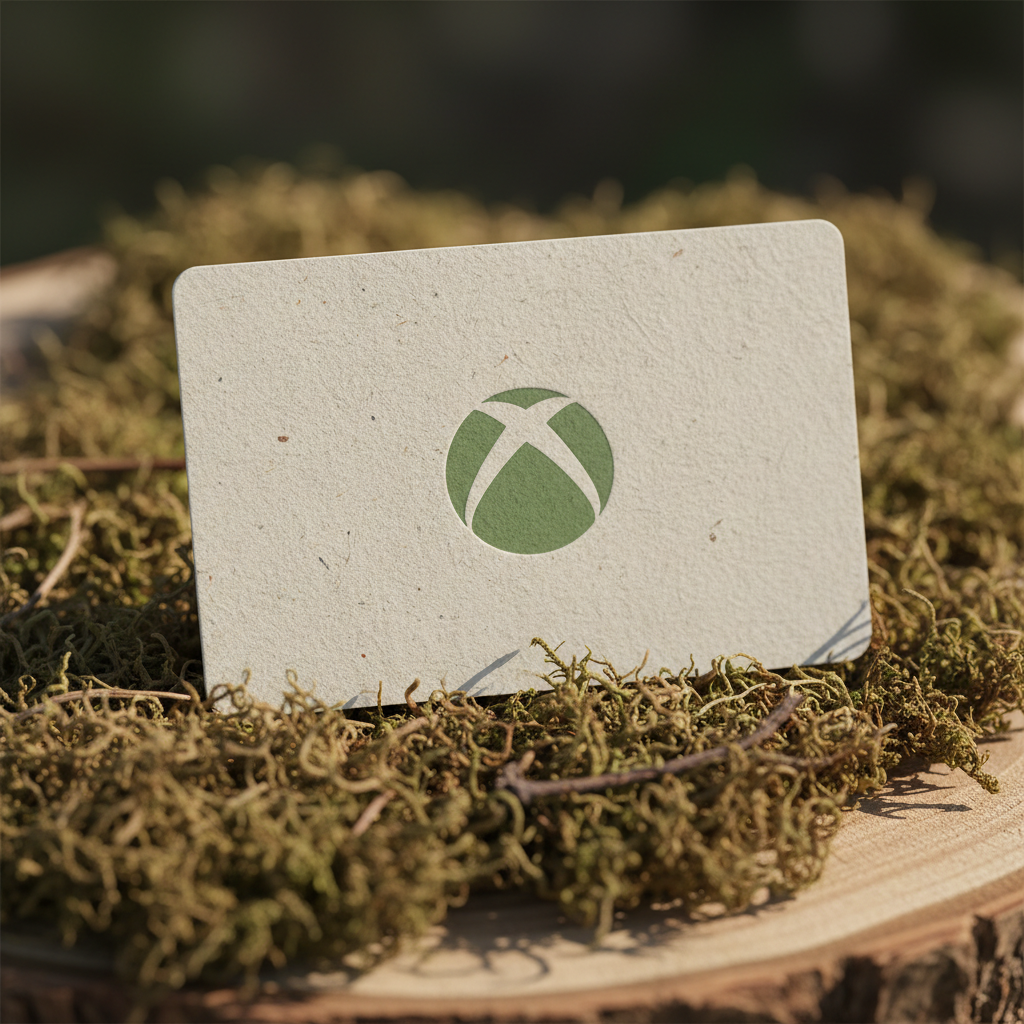
Plastic gift cards are a retail staple. They line the checkout aisles of almost every grocery store and electronics outlet in the world. But soon, the bright green Xbox cards hanging on those racks will look and feel a bit different. Microsoft has announced a major shift in its retail strategy. By the time the 2026 holiday shopping season rolls around, every single physical Xbox gift card sold globally will be completely biodegradable.
The move is part of the tech giant’s broader push to eliminate waste. For years, environmental advocates have pointed out the ecological toll of gift cards. Most are made of polyvinyl chloride, or PVC. It is a stubborn plastic. It does not degrade, and municipal recycling plants rarely accept it because of its chemical composition. Most of these cards end up in landfills, where they sit for centuries or break down into harmful microplastics. Microsoft wants to change that narrative.
Phasing Out the Plastic
The transition will not happen overnight. Microsoft plans to roll out the new cards gradually over the next two years to avoid disrupting current retail inventory. This phased approach allows stores to sell through their existing stock of plastic cards rather than discarding them prematurely, which would defeat the purpose of the initiative.
So, what will the new cards be made of? Microsoft says it is partnering with specialized packaging manufacturers to produce cards made from certified sustainable paperboard and wood fiber. The inks will be soy- and water-based, and the protective coatings will be made from organic, compostable materials. They will look just as vibrant as the old ones. They will still hold up to a bit of rough handling in a backpack or stocking. But once they are used and tossed in a compost bin, they will break down completely within a matter of months.
“Our goal is simple,” said Sarah Higgins, a spokesperson for Microsoft’s environmental sustainability team. “We want to keep the convenience of a physical gift while removing the environmental footprint. Gamers want to support a healthier planet, and we need to make that easy for them.”
The Zero-Waste Ambition
This initiative fits into a much larger puzzle. Microsoft has committed to achieving zero-waste operations across its direct business by 2030. That is a massive goal. It covers everything from packaging and server hardware to office waste and, yes, consumer products. While digital gift cards have grown in popularity, physical cards remain incredibly popular, especially during the winter holidays when people want something tangible to wrap and give.
Estimates suggest that billions of plastic gift cards are produced globally every year. By switching to biodegradable options, Microsoft expects to divert hundreds of tons of plastic from landfills annually. It is a small change per card, but the cumulative effect is significant.
Industry Pressure and What Comes Next
Microsoft’s decision could put pressure on its main competitors. Sony and Nintendo still rely heavily on plastic cards for PlayStation and Switch store credits. While both companies have made strides in reducing plastic packaging for their consoles and physical games, their gift card displays remain mostly unchanged. Retailers, too, are starting to demand greener alternatives as consumers become more conscious of their purchasing habits.
Major retail chains like Target and Best Buy have already expressed support for the transition. These retailers are eager to meet their own corporate sustainability targets, and carrying eco-friendly gift cards helps them get closer to those goals. Microsoft expects to complete the full transition by October 2026, just ahead of the peak shopping rush.
For the average gamer, the purchasing experience will remain exactly the same. You will still walk into a store, grab a card, and pay at the register. The only difference is what happens to that card when the code is redeemed. Instead of sitting in a landfill forever, it will simply return to the earth.
About the Author