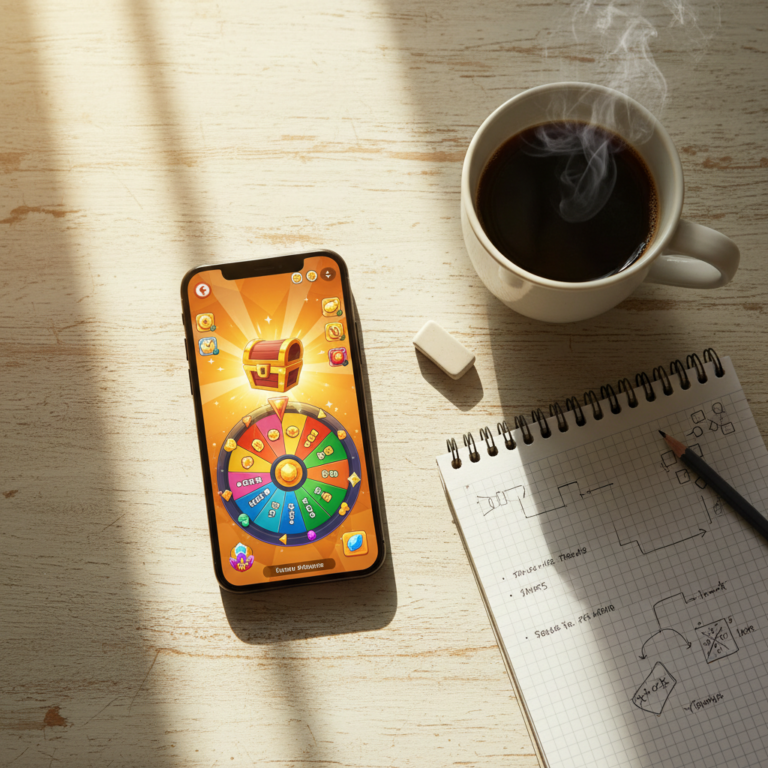
The virtual wheels keep spinning. But now, they know exactly when you are about to quit. Moon Active, the studio behind the wildly profitable mobile hit Coin Master, is introducing a new engine. It uses artificial intelligence to personalize the game’s famous slot machine mechanics in real time. While the developer promises a smoother, more engaging experience, the move has reignited a fierce debate across Europe about how free-to-play games are monitored.
The Algorithm That Knows You
For years, Coin Master has dominated the app stores. Players spin a virtual slot machine to win coins, attack rival villages, and shield their own progress. It is a simple loop, but it is incredibly effective. The new update takes this formula and injects it with predictive machine learning. Instead of offering the same odds and pacing to everyone, the game now studies individual player behavior.
The system tracks how fast you tap, when you usually close the app, and how much money you spend. If the algorithm senses you are getting bored, it might trigger a timely win. If it detects you are willing to spend to keep a streak alive, the pressure might ramp up. It is a highly customized feedback loop designed to maximize engagement.
Why European Regulators Are Worried
This level of tailoring has set off alarm bells in Brussels. European consumer protection groups argue that adapting game mechanics to individual psychological profiles crosses a dangerous line. Traditional slot machines in physical casinos are strictly regulated. They must maintain fixed, public payout percentages that cannot change on the fly to suit the player. In contrast, mobile games operate in a legal gray area where those protections rarely apply.

“When a game dynamically alters its math to exploit your specific psychological state, it is no longer entertainment,” says Clara Dupont, a digital rights advocate based in Paris. “It becomes a predatory system. The player has no way of knowing if they are facing a fair challenge or a highly engineered trap designed to empty their wallet.”
The Line Between Engagement and Manipulation
Moon Active has defended its technical innovations. The company maintains that personalization is a standard practice across the tech industry, used by everyone from streaming services to social media platforms. According to industry insiders, the goal is simply to prevent player fatigue and keep the gameplay feeling fresh. They argue that a happy player is a loyal player, and personalization helps avoid frustration.
But critics do not buy that comparison. Watching a recommended movie on Netflix is vastly different from being prompted to buy virtual currency after a calculated losing streak. The European Union has already shown a willingness to crack down on what it calls “dark patterns”—design choices that trick users into spending money they did not intend to. Under the Digital Services Act, pressure is mounting to classify dynamic gaming odds as one of these deceptive practices.
What Comes Next?
- Stricter scrutiny: Several EU member states are already investigating how AI personalization affects younger players.
- Calls for bans: Some consumer groups want a complete ban on dynamic payout rates in games that offer in-app purchases.
- New legal definitions: Regulators are debating whether personalized virtual slots should be classified as gambling under national laws.
For now, the updates remain live. Players will continue to spin, and the AI will continue to learn. But the days of unregulated mobile slot mechanics may be drawing to a close. If European lawmakers decide to intervene, Moon Active could find itself forced to strip the intelligence out of its machine, setting a massive precedent for the entire mobile gaming industry.
About the Author