Xbox digital gift cards are getting a major security overhaul. Microsoft announced today that it will require biometric authentication to buy and redeem digital gift cards. The tech giant hopes this move will curb a massive wave of AI-driven retail fraud.
The updates will roll out gradually. Microsoft wants the system fully operational well before the 2026 holiday shopping rush.
Gift card scams are a growing headache for the gaming industry. Fraudsters now use sophisticated AI bots to brute-force code generation. They can guess thousands of PIN combinations in seconds. These bots also scrape retail databases and trick automated customer service systems into validating stolen balances.
The Fight Against High-Speed Bots
By introducing biometrics, Microsoft plans to cut these automated attacks off at the source.
“AI changed the speed of retail fraud,” says Dave McCarthy, corporate vice president of Xbox operations. “Old security methods simply cannot keep up with automated scraping. We need a secure system that verifies the actual human behind the screen before any money changes hands.”
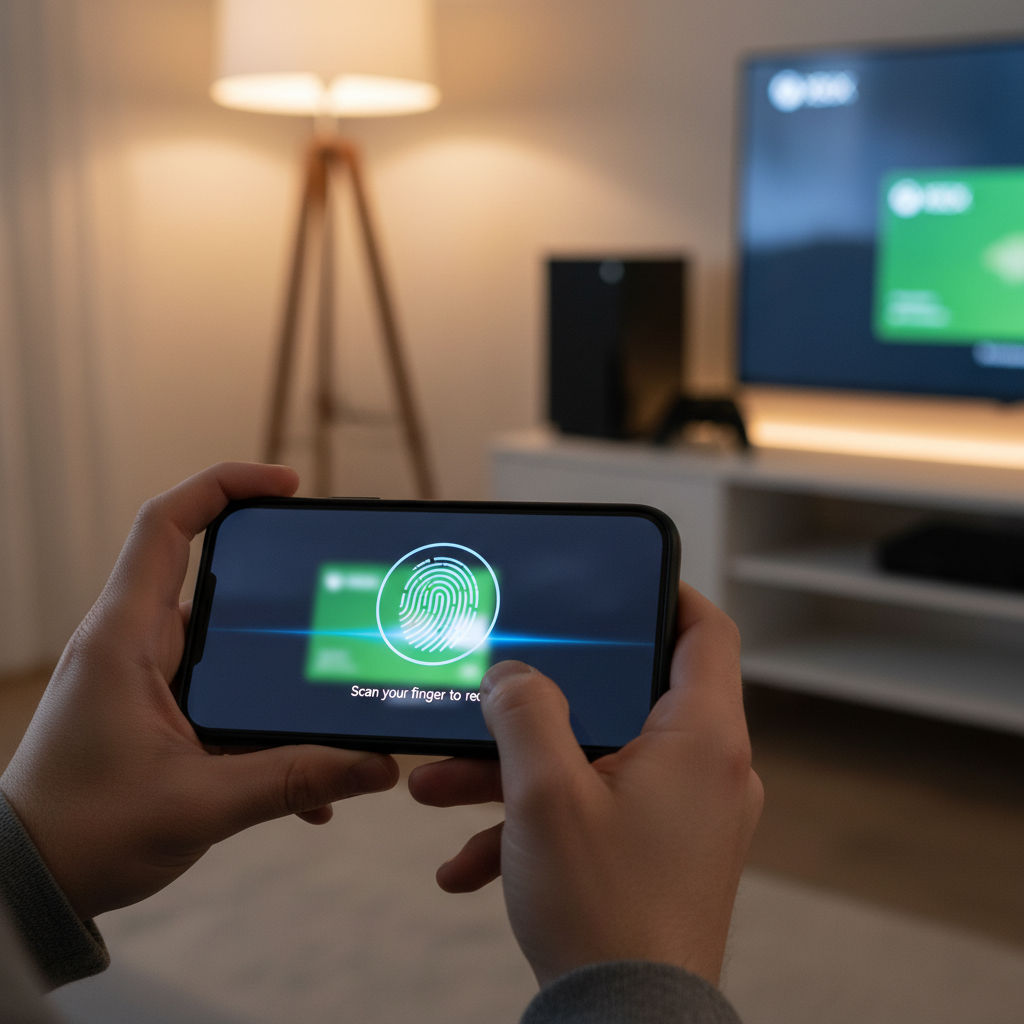
Under the new protocol, buying a digital Xbox card on the Microsoft Store will trigger a quick identity check. Users must verify their purchase using Windows Hello, Apple’s FaceID, or Google’s biometric tools on mobile devices. The same rule applies when redeeming the funds onto an account.If a system detects unusual login patterns or a sudden location change, it will lock the transaction. The user must then provide a fingerprint or facial scan to proceed.
Why Gift Cards Are a Target
For years, scammers have targeted gift cards. They are basically cash. They are untraceable. And they are incredibly easy to flip on secondary online marketplaces. But the introduction of generative AI tools has made these scams incredibly easy to scale.

Security firm CyberDefend reported that automated gift card attacks spiked by 210% last year alone. No other major gaming platform has gone this far to stop them yet, making Microsoft a pioneer in this space.
Industry analysts think others will follow. The financial stakes are simply too high to ignore. Retailers lost an estimated $5.7 billion to gift card fraud in 2024.
“This is a logical step,” says Julie Martinez, a retail cybersecurity analyst. “Scammers love low-hanging fruit. When you require physical proof of life—like a face or fingerprint—you take away the bots’ biggest advantage. You force the criminals to find another target.”
Addressing Privacy and Convenience Concerns
Of course, some players might worry about how their personal data is handled. Microsoft quickly addressed these concerns in its announcement.
The company stated it will not store raw biometric data on its own servers. Instead, Xbox will rely on the secure enclaves already built into users’ personal devices. The system merely receives a secure “yes or no” token from the phone or PC after the device scans the user.
Still, the extra step might annoy some casual gamers. A parents’ group online has already raised questions about how this affects children buying games. Microsoft says it is developing a parent-authorization feature. This will let parents approve purchases for their kids via their own smartphones.
The rollout starts next month in the United States and Canada. European markets will get the update in early 2026, with a global release finalized by autumn.
Xbox hopes this early start gives the system time to mature. The real test will come during the intense shopping crazes at the end of next year. If successful, this technology could change how all digital goods are sold online.
About the Author