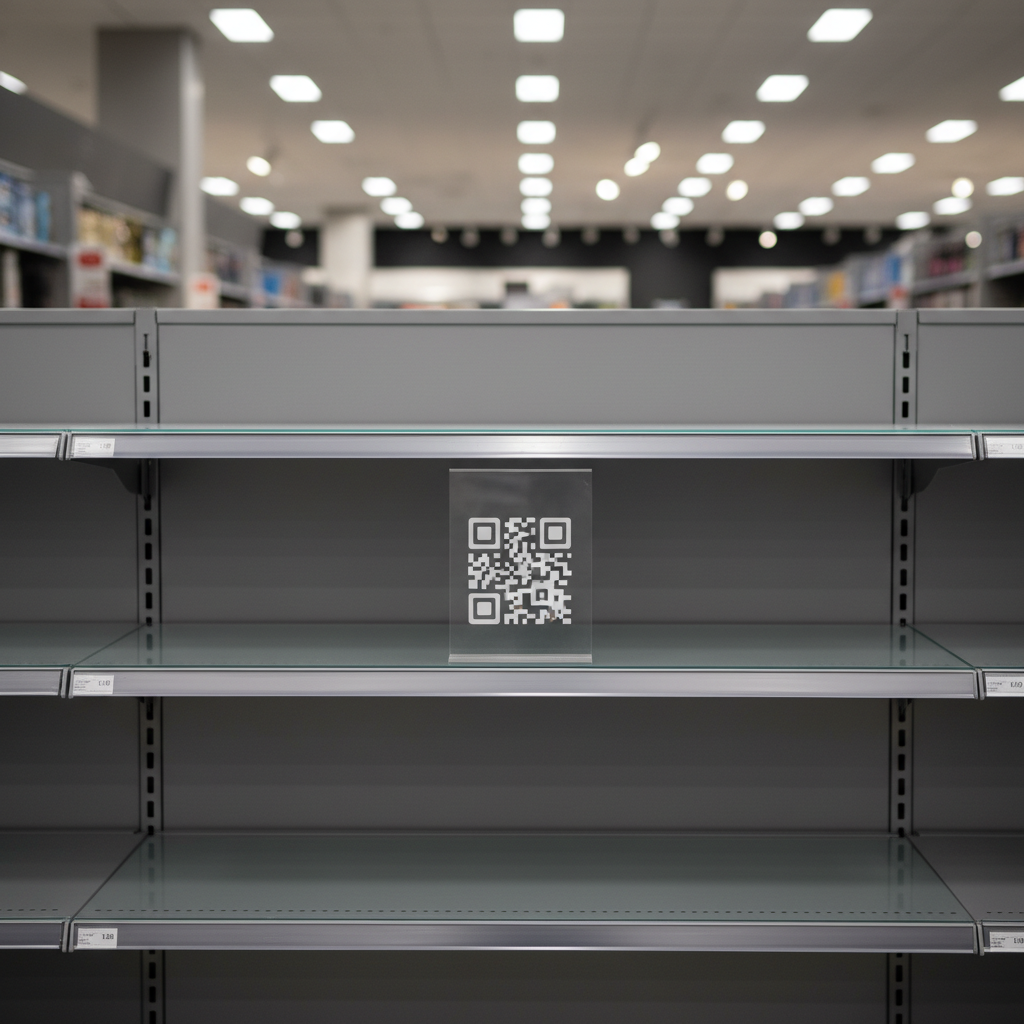
The era of the plastic Xbox gift card is drawing to a close. Microsoft plans to phase out all physical gift cards in retail stores, transitioning to an entirely digital distribution model by the 2026 holiday season. This move aligns with the tech giant’s ambitious environmental goals, specifically its pledge to reach zero waste and become carbon negative by 2030.
For decades, physical gift cards have been a staple of retail checkout lanes. They are easy last-minute gifts, bright, and highly visible. But they also carry a heavy environmental cost. Most are made from polyvinyl chloride (PVC) or heavy cardstocks coated in plastic, making them incredibly difficult to recycle. By eliminating these physical cards, Microsoft expects to divert tons of plastic from landfills and significantly reduce the carbon emissions associated with shipping millions of cards to global retailers every year.
A Digital-Only Future for Xbox Gifting
Gamers won’t lose the ability to gift games or subscriptions. Instead, the process is going paperless. Under the new plan, Microsoft will focus on direct digital delivery. Customers can purchase codes through the online Xbox Store, Amazon, or other digital retailers, sending the credit straight to a recipient’s email or Xbox account.
But what about shoppers who prefer brick-and-mortar stores? Microsoft has a plan for that, too. Retailers will transition to “print-on-demand” receipts. Instead of grabbing a plastic card from a display rack, a customer will purchase a digital code at the register, which prints directly onto their paper receipt. This system is already in use for various digital goods, but expanding it to replace physical cards entirely marks a massive industry shift.
“It is a logical step, but it will take some getting used to,” says retail analyst Marcus Thorne. “People love having a physical item to wrap and put under the tree. Microsoft will have to work hard to make the digital gifting process feel just as personal and seamless.”
Chasing the 2030 Carbon-Negative Goal
This transition is part of Microsoft’s broader environmental push. The company has set some of the most aggressive climate targets in the tech sector. By 2030, Microsoft aims to be carbon negative, meaning it will remove more carbon from the atmosphere than it emits. It also plans to achieve zero-waste status across its direct operations and packaging.

Xbox hardware has already seen changes. The company has integrated recycled resins into Xbox Series S and X consoles and redesigned its game packaging to reduce plastic use. Phasing out physical gift cards is the next logical step in stripping plastic from the gaming ecosystem. The sheer volume of cards printed annually is staggering; cutting them out removes a massive source of single-use plastic overnight.
How Retailers Will Be Affected
The decision will shake up major retailers, particularly dedicated gaming shops like GameStop and major department stores like Walmart and Target. Gift card displays—often called “gift card malls”—are highly lucrative sections of retail real estate. They drive foot traffic and impulse buys.
Losing the physical Xbox presence on these shelves will change how retailers market Microsoft products. Without the bright green cards catching a shopper’s eye, Microsoft will need to rely more heavily on digital in-store displays, QR codes, and integrated point-of-sale promotions to capture those last-minute holiday sales.
- Point-of-Sale Codes: Customers buy Xbox credit at the counter, receiving a code on their receipt.
- QR Code Displays: In-store signage will allow shoppers to scan a code with their phone to buy digital credit instantly.
- Direct Console Gifting: Improved console features will make sending games to friends simpler than ever.
Will Sony and Nintendo Follow Suit?
Whenever one of the big three console makers makes a major move, the others watch closely. Sony and Nintendo still rely heavily on physical gift cards for PlayStation and the Nintendo Switch. However, both companies have also faced pressure to improve their environmental footprints.
If Microsoft’s transition proves successful and does not hurt sales, industry experts believe competitors could follow. The cost savings alone are a massive incentive. Eliminating physical production, distribution, and retail shelf space fees could save console makers millions of dollars annually, all while checking off crucial corporate sustainability boxes.
For now, Xbox players have a couple of years to prepare for the change. By the time the 2026 holiday rush arrives, those familiar green plastic cards on retail pegs will be a thing of the past.
About the Author