
Delegates from 44 nations reached a preliminary accord in Geneva on Friday to establish mandatory international inspections for autonomous military systems deployed along borders. The draft agreement caps five days of heated, closed-door negotiations at the Palais des Nations, clearing a path toward the first global regulatory framework for algorithm-driven frontier defenses.
The talks, held under the auspices of the United Nations Office for Disarmament Affairs, targeted a growing blind spot in military law. Over the past three years, dozens of countries have rolled out automated sentry stations, loitering counter-intrusion drones, and AI-enabled radar batteries along contested frontiers. Until now, these systems have operated without any uniform safety standards or external oversight.
A Breakthrough on Inspection Access
The core of the draft treaty focuses on algorithmic verification. Under the compromise text, governments will grant an independent body of UN-certified technical inspectors access to frontier defense installations on 72 hours’ notice. Teams will inspect hardware interfaces and conduct simulated tests to confirm that humans retain meaningful control over lethal force.
Swiss diplomat Martin Keller, who chaired the working group, called the text a hard-won balance between border sovereignty and crisis prevention. “We were staring at a future where two machine-learning models might misread each other across a riverbank and trigger a war before a human could even blink,” Keller told reporters after the plenary session. “This agreement does not ban defensive systems. It ensures someone is always watching the machine.”
Getting there required major compromises. Early drafts stalled over demands for full audits of proprietary source code. Defense contractors and several major powers flatly refused, arguing that surrendering raw software weights and algorithms would compromise national security and expose state secrets to commercial rivals.
The ‘Black-Box’ Compromise
Negotiators resolved the standoff by borrowing testing methodologies from civilian aviation and financial regulators. Instead of extracting raw code, monitors will run standardized stress simulations inside air-gapped test rigs hooked directly into the weapons systems. Inspectors will check whether sensors can reliably distinguish civilian traffic, livestock, and medical vehicles from combatants under degraded weather conditions.
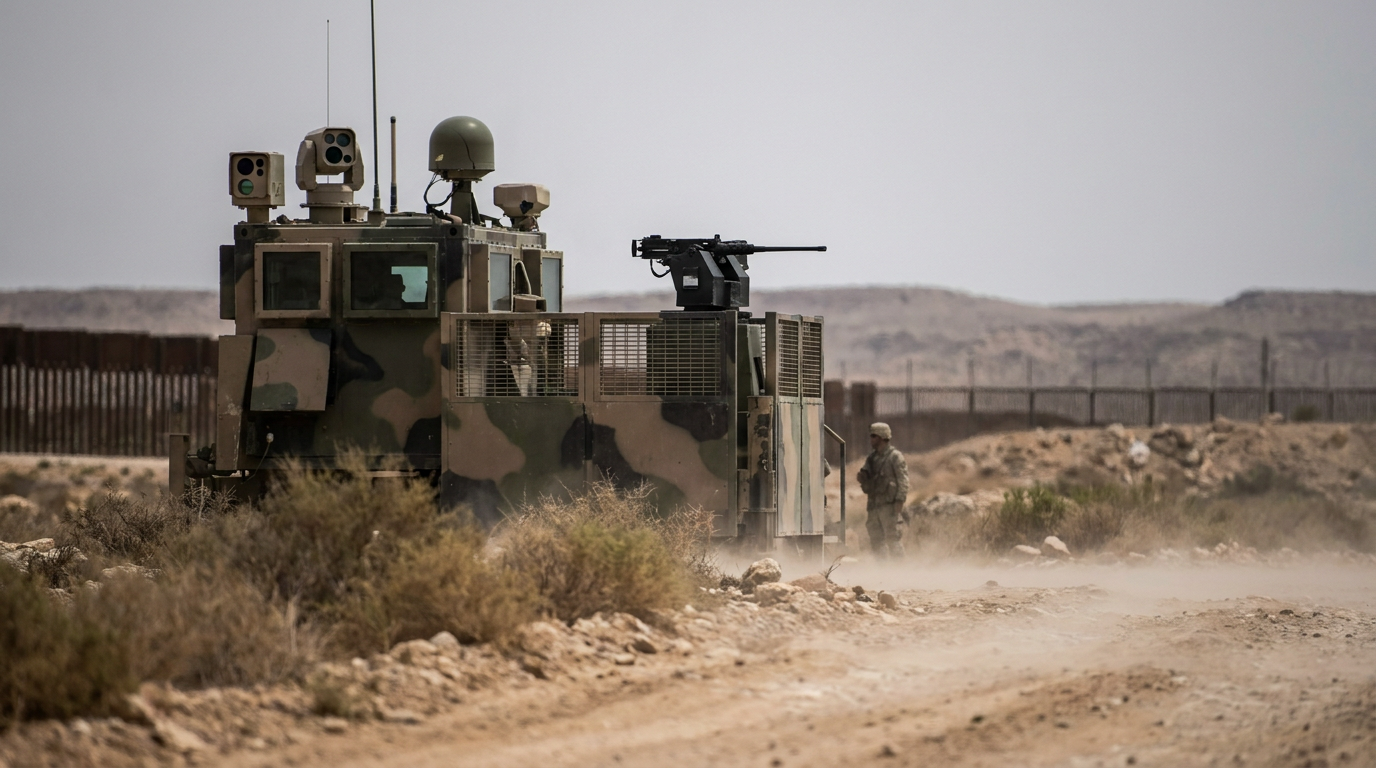
The agreed protocol outlines clear conditions for perimeter setups:
- Automatic abort triggers whenever satellite links or command-line telemetry drop out.
- A strict ban on algorithmic target prioritization based on biometrics, age, or civilian clothing markers.
- Mandatory physical kill-switches accessible to on-duty human commanders at all times.
- Standardized data loggers that record targeting calculations, preserved for at least 180 days for audit reviews.
Humanitarian monitors welcomed the deal, though with clear caveats. Independent watchdog groups pointed out that the 72-hour notice window could give military units time to switch software profiles or conceal non-compliant targeting modes ahead of an inspection.
“It is an essential first step, but the verification timetable still leaves plenty of room for gamesmanship,” said Sarah Lindqvist, director of the arms advocacy group Global Frontier Watch. “The real test will be whether inspectors can enforce penalties when an operator refuses to plug in the test console.”
Ratification Roadblocks Ahead
Not everyone signed on. Three delegations, including two states currently maintaining heavily fortified, automated border fences, abstained during the final roll call. Their representatives voiced concerns that the verification rules place an unfair burden on territorial defense while leaving air- and sea-launched autonomous strike drones completely untouched.
The preliminary text now heads to legal scrubbing before a formal vote scheduled for the UN General Assembly in New York this October. If approved there, individual parliaments will need to ratify the treaty before its verification mechanisms officially come into effect next year.
Diplomats acknowledge that the road from Geneva to actual enforcement is steep. Even so, Friday’s breakthrough shows that governments recognize the sheer volatility of automated borders. Leaving lethal decisions solely to code, it seems, has finally spooked even the most hardened defense planners into talking.
About the Author






