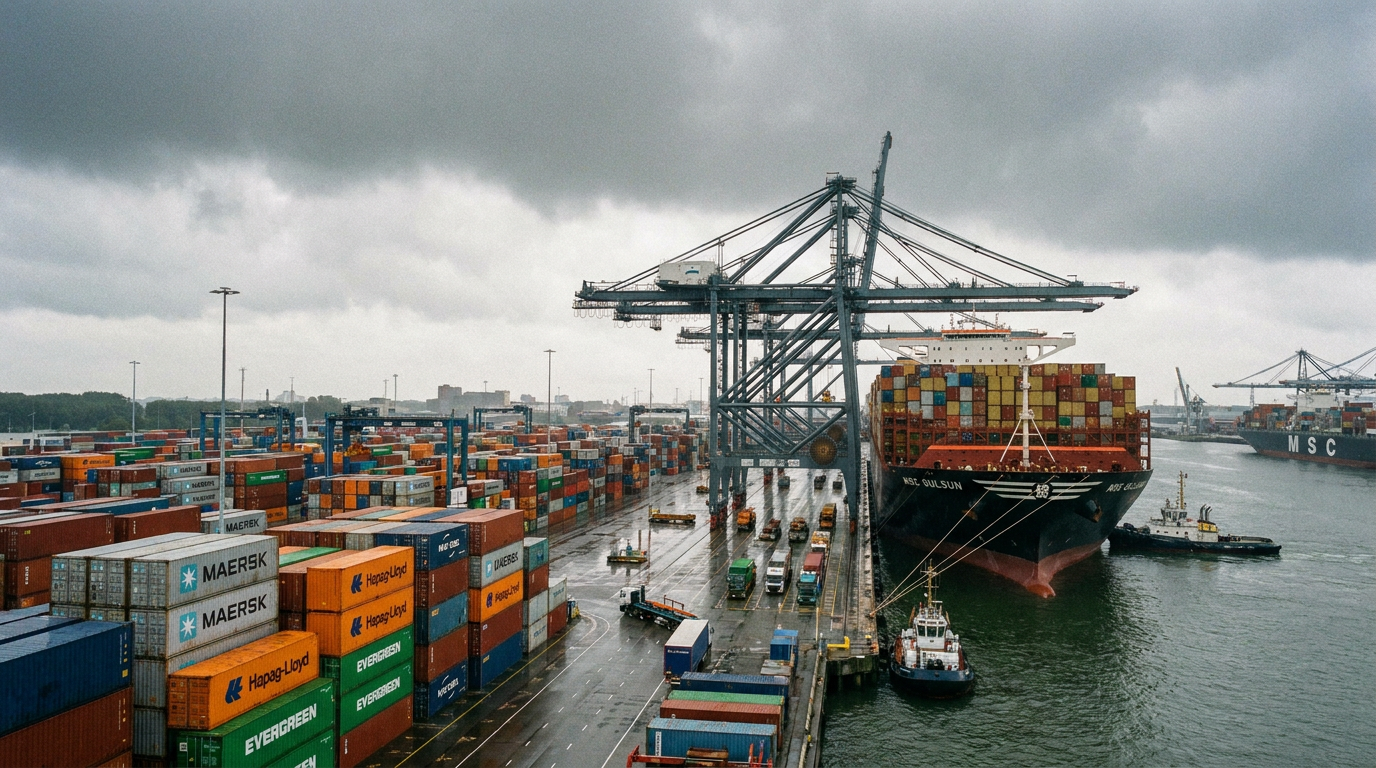
The grace period is over. After more than two years of trial runs and paperwork drills, the European Union has begun levying actual financial charges under its Carbon Border Adjustment Mechanism. For foreign manufacturers exporting energy-heavy industrial goods to Europe, greening their operations is no longer just a public relations goal. It is an immediate customs bill.
The system, known widely as CBAM, targets imported steel, aluminum, cement, fertilizers, hydrogen, and electricity. Importers must now purchase digital certificates to cover the greenhouse gas emissions embedded in these goods. The price mirrors the weekly average of the EU’s domestic carbon market, the Emissions Trading System (ETS). If an overseas factory already paid a verifiable carbon fee in its home country, it can deduct that cost. If it didn’t, it must pay Brussels the difference at the border.
Global Partners Push Back
The move has triggered instant friction across international capitals. Developing industrial powers view the policy as little more than green protectionism wrapped in environmental language.
India has been one of the most vocal critics. Trade officials in New Delhi have repeatedly warned that the tax unfairly penalizes emerging economies, which need industrial expansion to lift millions out of poverty. Indian steelmakers face substantial new tariffs, and government negotiators have already floated the idea of retaliatory duties on high-value European imports if exemptions are not granted.
Beijing has voiced similar outrage. At the World Trade Organization in Geneva, Chinese delegates have argued that CBAM violates multilateral trade treaties and runs counter to the principle of “common but differentiated responsibilities” established under UN climate accords. State-backed Chinese industry associations argue the European standard imposes an arbitrary technical burden on foreign companies that cannot easily access European-approved carbon verifiers.
Even Washington remains uneasy. While the United States shares Europe’s broader goal of reducing industrial carbon, American exporters lack a national carbon market. That absence leaves American steel and aluminum producers scrambling to prove their carbon intensity through complex emissions tracking to avoid paying full surcharges.
Why Brussels Refuses to Blink
EU officials insist the policy is non-negotiable. For years, European factories have complained that stringent domestic climate laws put them at a severe disadvantage against foreign rivals operating under lax environmental rules.
“We cannot ask our domestic manufacturers to pay for every ton of carbon they emit while letting foreign rivals flood our markets with untaxed, high-emission alternatives,” one European Commission trade official said during a briefing. “CBAM is about survival for clean industrial production. It prevents carbon leakage, full stop.”
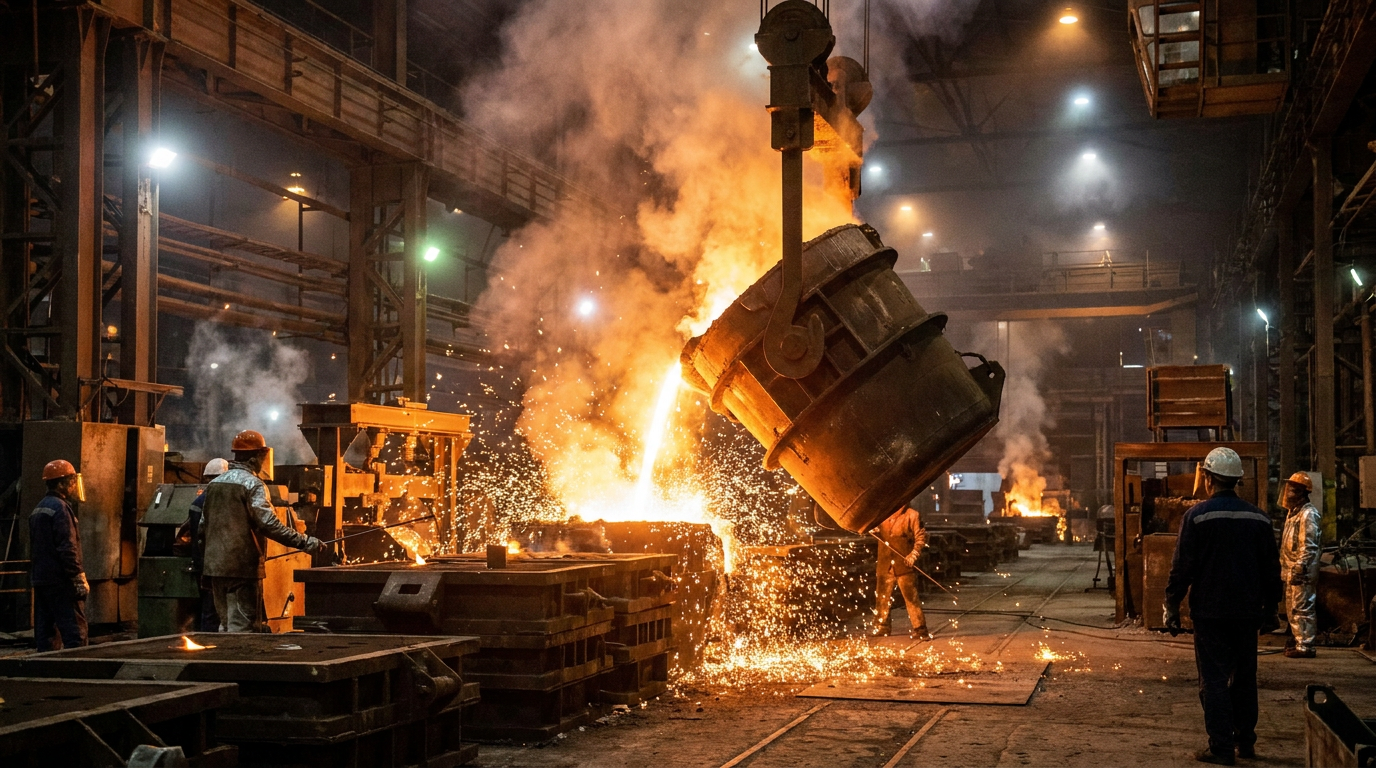
Without CBAM, European heavy industry warned it would simply shut down domestic furnaces and import raw materials from abroad, cutting European jobs without reducing actual global emissions. By taxing foreign goods at the frontier, Brussels hopes to force global suppliers to decarbonize their own supply chains if they want to retain access to the world’s most lucrative single market.
Customs Headaches and Rising Costs
For businesses on the ground, the immediate reality is logistical chaos. Trading desks and customs brokers across European ports are grappling with the complex arithmetic required to clear inbound cargo.
Importers must trace every shipment back to the furnace where it was melted or the kiln where it was fired. If a shipment lacks independently audited emissions data, customs authorities apply punitive default values that assume the goods were produced using the dirtiest available methods, pushing the tax bill higher.
- Small and mid-sized European importers say they are overwhelmed by compliance audits.
- Freight handlers report scattered shipping delays at Mediterranean and North Sea container terminals as documentation is scrutinized.
- Analysts project end consumers will ultimately absorb the costs through higher prices on cars, construction projects, and consumer appliances.
The diplomatic standoff is likely to escalate over the coming months. Several nations are preparing formal WTO disputes, while others are trying to negotiate bilateral carve-outs. Brussels, however, appears determined to hold the line. Europe has effectively tied trade access to carbon reduction, and the rest of the world now has to decide whether to cut emissions or pay the price at the border.
About the Author






