Brussels is turning its sights on the lucrative world of casual mobile gaming. The European Commission announced on Thursday that it has launched a formal investigation into Moon Active, the Israeli developer behind the global hit Coin Master. The probe is the first major test of the EU’s strict new digital safety regulations, which came into effect earlier this year.
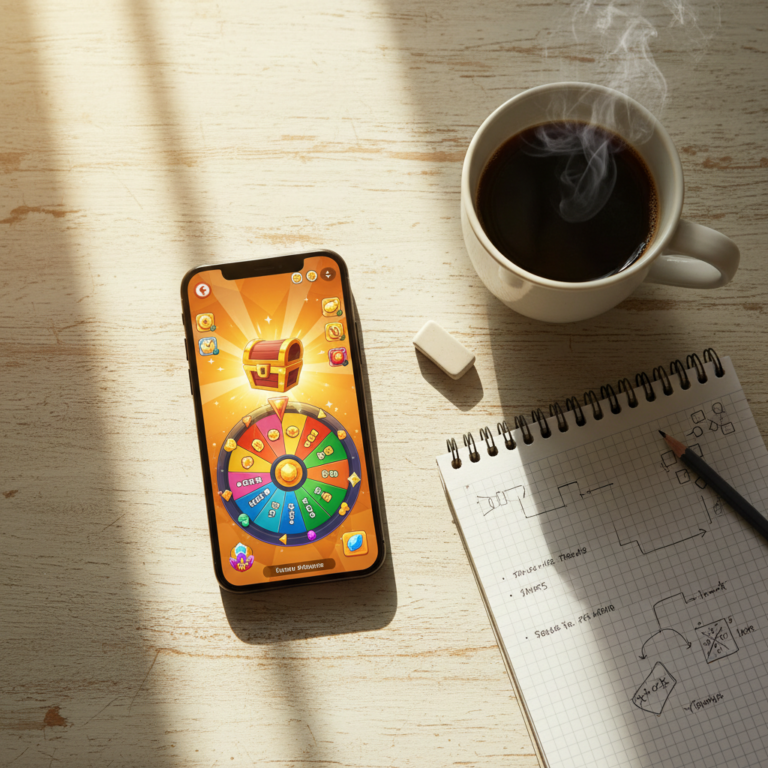
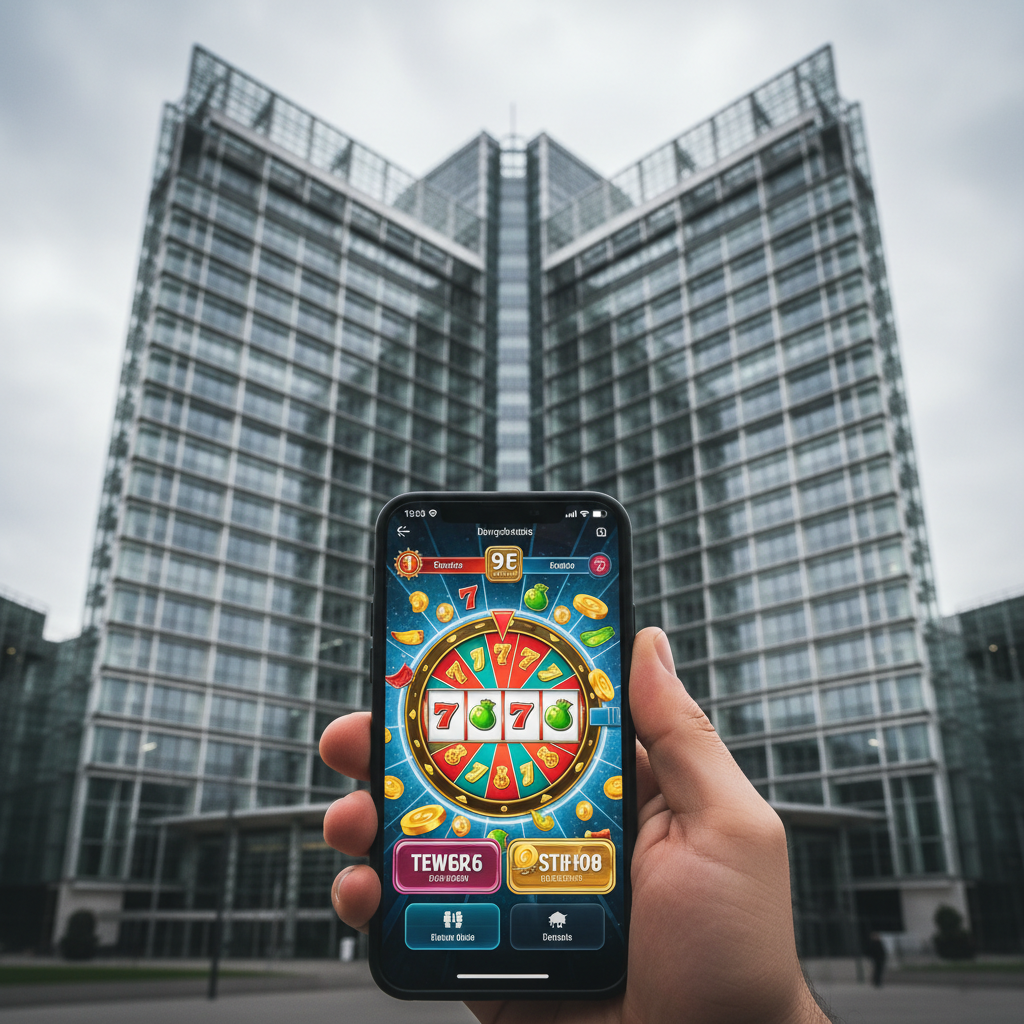
At the heart of the investigation are the game’s core mechanics. Coin Master combines light village-building elements with a prominent virtual slot machine. Players spin the wheel to win coins, attack rivals, or shield their own villages from onslaughts. While the game is free to play, users can buy extra spins with real money once their daily free allowance runs out.
It is a highly lucrative formula. But European regulators now argue it looks far too much like actual gambling, and they want to know if it is harming younger players.
Targeting Simulated Gambling
The investigation is being carried out under the newly minted 2026 Digital Safety Act. The law was designed specifically to patch holes in previous regulations by tackling “dark patterns” and “simulated gambling” in products aimed at or accessible to minors. Under these rules, any mechanic that mimics casino-style betting must feature rigorous age barriers and transparent win rates.
According to EU officials, Coin Master may be failing on both fronts.
“Our rules are simple,” said Marc Lemaître, a spokesperson for the Commission’s digital market taskforce. “If a game looks like gambling, behaves like gambling, and uses the same psychological triggers as gambling, it cannot be marketed to children. We are looking closely at how Moon Active encourages continuous spending and whether they are doing enough to keep minors away from these virtual slot machines.”

The Commission has given Moon Active a deadline to hand over internal data. Regulators want to see how the company’s algorithms target players, how it handles age verification, and what guardrails exist to prevent children from spending thousands of euros on in-game purchases.
Moon Active Defends Its Record
Moon Active, which is valued at several billion dollars, defended its business model in a statement. The company insisted that Coin Master is designed purely for entertainment and does not offer real-world financial rewards, meaning it should not be categorized alongside traditional gambling.
“We take player safety incredibly seriously,” a Moon Active representative said. “We fully comply with all existing regional laws and platform guidelines, including age ratings provided by the Apple App Store and Google Play. We look forward to cooperating with the European Commission to demonstrate that our games provide a safe, fun, and fair environment for all players.”
Despite these assurances, critics have long targeted the game’s aggressive monetization. Consumer advocacy groups across Europe have repeatedly raised alarms about the game’s colorful, cartoonish graphics, which they argue are highly appealing to young children, combined with psychological hooks typically found in real casinos.
What Lies Ahead
If the European Commission finds Moon Active in breach of the 2026 regulations, the consequences could be severe. The new laws grant Brussels the power to levy fines of up to 6% of a company’s global annual revenue. For a company of Moon Active’s scale, that could mean a penalty reaching into the tens of millions of euros.
More than the money, the EU could force Moon Active to make drastic changes to how Coin Master operates within European borders. This could include:
- Implementing strict, mandatory biometric or third-party age verification before players can access the game.
- Removing slot-machine visual effects and sounds for players under 18.
- Capping the number of daily spins a user can buy.
This case is being closely watched by the wider mobile gaming industry. Giants like EA, King, and Scopely, who also rely on randomized reward mechanics, are likely bracing for a wider crackdown if the EU decides to make an example of Moon Active. What started as a dispute over a virtual slot machine could easily reshape the entire free-to-play mobile economy in Europe.
About the Author