
The quiet deployment of Western military contractors into eastern Democratic Republic of Congo turned deadly this month, pulling Erik Prince back into international scrutiny. An elite soldier from New Zealand was killed on the front lines, while a former U.S. Army Green Beret sustained serious injuries. Their presence stripped away the secrecy surrounding private foreign operations in one of Central Africa’s bloodiest and longest-running conflicts.
Prince, the former Navy SEAL who founded Blackwater decades ago, has spent years pitching security solutions across the developing world. In Congo, those pitches found an eager listener in Kinshasa. Facing an onslaught from M23 rebels near the eastern trade hub of Goma, the Congolese government has quietly turned to private security networks to bolster its demoralized regular troops.
A Lethal Turn in North Kivu
The incident that brought Prince’s footprint to light occurred during combat operations against the M23 rebel coalition, a heavily armed group that UN investigators and Western capitals have repeatedly linked to neighboring Rwanda. Fighting in the hills around Goma has turned into a grinding war of attrition, characterized by drone strikes, heavy artillery, and entrenched sniper teams.
Details around the exact ambush remain tightly held. However, security sources confirm that the fallen New Zealand operative and the wounded American were embedded with specialized strike units operating in North Kivu province. Their task was straightforward on paper: provide operational guidance, coordinate targeting, and help maintain key defensive perimeters. Reality on the ground was far messier.
When the unit came under coordinated fire, the team was forced into a desperate extraction. One man didn’t make it out alive. The former Green Beret was evacuated with severe blast trauma. Neither Washington nor Kinshasa initially acknowledged the presence of the Western fighters, but word quickly spread through veteran networks across the globe.
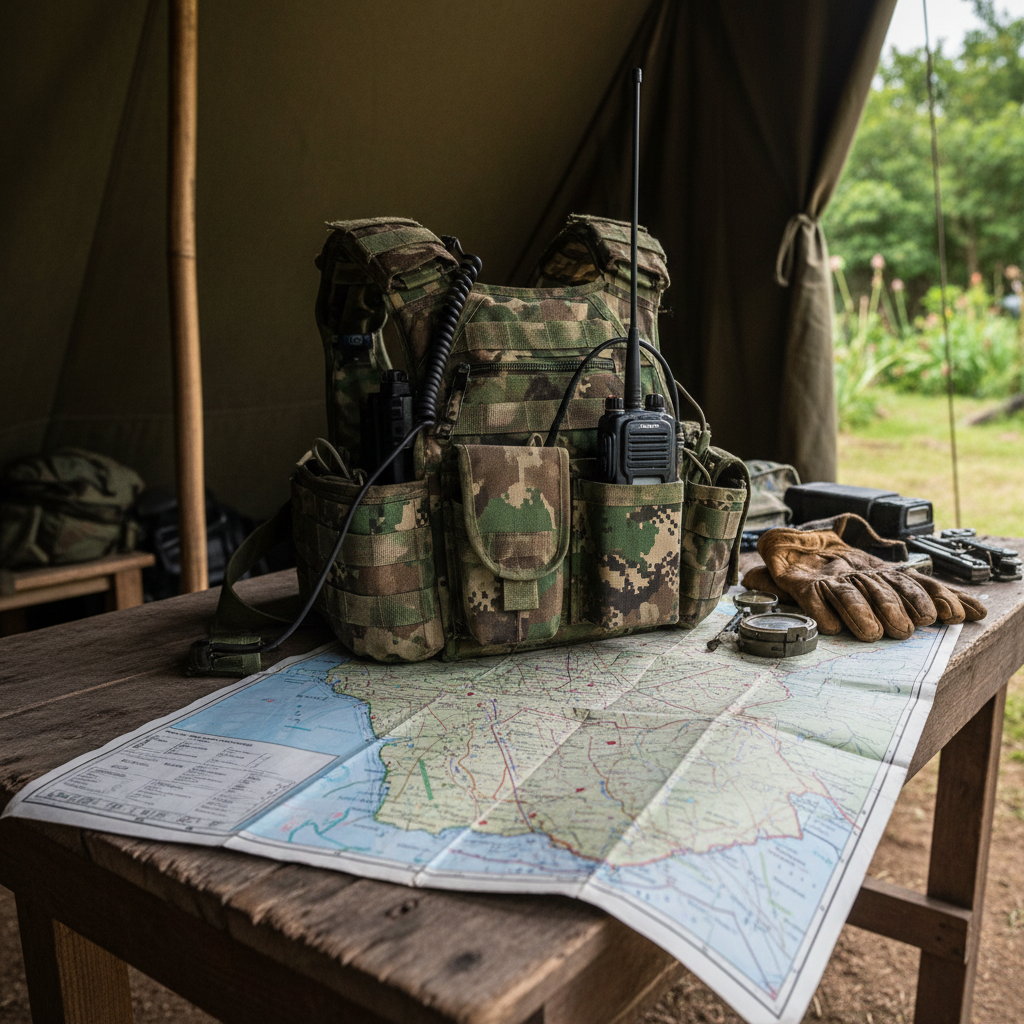
The Business of Private Warfare
Prince’s current operation fits a long-established playbook. Over the past decade, after selling Blackwater and later stepping away from Hong Kong-listed Frontier Services Group, the security magnate has pitched integrated packages to cash-strapped governments. The formula blends tactical surveillance, private aviation, specialized infantry training, and, critically, logistics tied to lucrative natural resources.
Congo sits on vast deposits of coltan, gold, cobalt, and lithium—minerals vital to the global green transition and electronics supply chains. Eastern Congo’s mines, however, operate in a perpetual vacuum of state control. Armed groups, corrupt commanders, and foreign firms vie for every foot of dirt.
Kinshasa’s contract with foreign security entities was driven by urgency. President Félix Tshisekedi’s administration has grown increasingly frustrated with the United Nations peacekeeping force, MONUSCO, which has spent twenty years in the country with little to show for it in terms of lasting peace. Sensing that official diplomatic and regional military coalitions were stalling, Tshisekedi looked elsewhere.
- Prince and affiliated brokers offered rapid response teams, aerial intelligence, and veteran trainers.
- Contractors were recruited from across Europe, North America, and Southern Africa.
- Operations were financed partly through sovereign security allocations and tied to mineral concessions.
Geopolitical Friction and Mounting Risks
The casualties have triggered quiet alarm inside Western intelligence and diplomatic circles. Washington has sought to avoid direct military entanglement in the Congo basin, fearful of sparking a wider regional clash between the DRC and Rwanda. The presence of seasoned American and Allied veterans operating under commercial contracts threatens to blur those diplomatic lines.
There is also the question of accountability. Unlike uniformed national armies, private military companies operate in gray legal zones. When missions go sideways, as they did in North Kivu, chain of command and diplomatic immunity become contentious issues. Human rights monitors warn that relying on external guns rarely delivers stability; it often just raises the stakes for the civilians caught between contending factions.
For Erik Prince, high-stakes gambles are nothing new. From Iraq and Somalia to Afghanistan and Libya, controversy has trailed his ventures for nearly thirty years. But eastern Congo is different. It is a dense, mountainous maze where even national armies struggle to survive. As the recent deaths prove, commercial contracts offer no armor against the brutal reality of frontline combat.
About the Author






