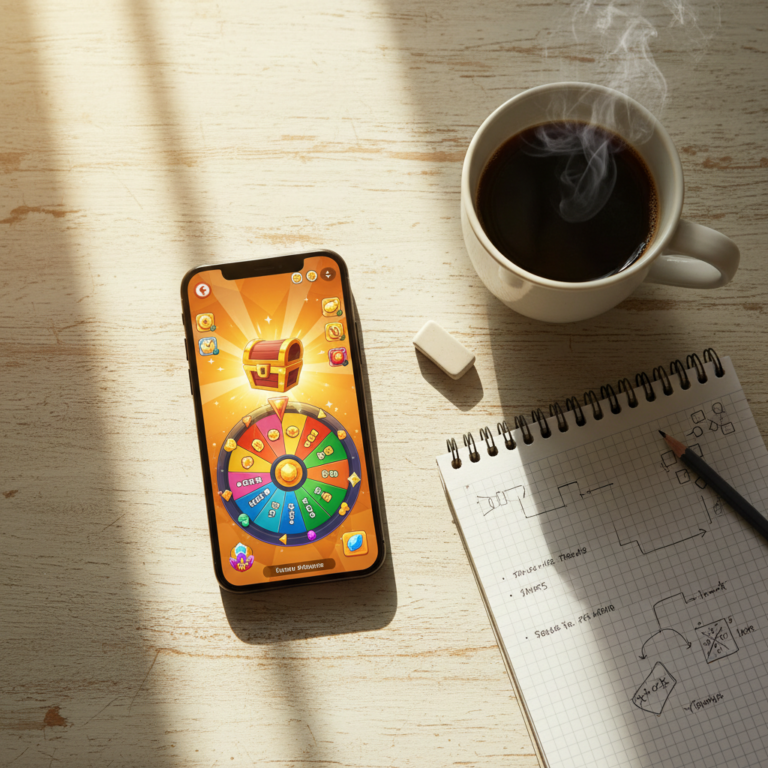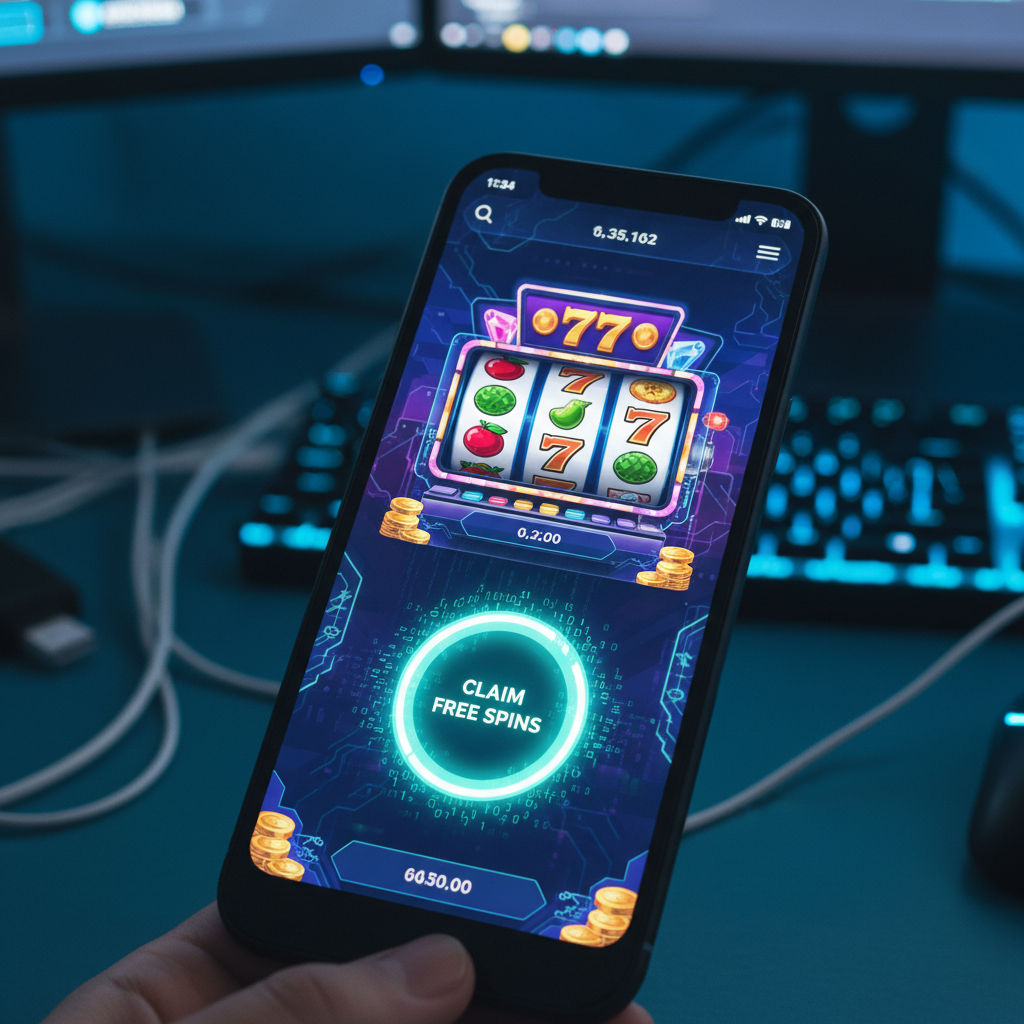
Casual mobile gamers are the latest target in a highly sophisticated wave of cyberattacks. Security researchers have flagged a massive, ongoing campaign spreading malicious software disguised as promotional links for the hit mobile game Coin Master. But this is not your typical phishing scam. This threat has an artificial intelligence brain behind it.
First detected in early October 2026, the campaign leverages advanced AI to bypass standard spam filters and trick even tech-savvy players. It centers around “free spin” links, which are a highly sought-after commodity in the active Coin Master community. Gamers routinely share these links online to help each other progress, making them the perfect camouflage for hackers.
The Rise of ‘SpinThief’
Security firm Aegis Cyber Security first spotted the anomalous traffic on October 3. They dubbed the newly discovered threat “SpinThief.” Unlike older, clunkier phishing campaigns that rely on generic templates, SpinThief uses a lightweight, integrated AI model to analyze its target’s digital footprint. It is incredibly nimble.
When a user interacts with a fake promotional post on platforms like Discord, Telegram, or Facebook, the malware doesn’t just send a generic spam link. Instead, the AI quickly scans the target’s public chat history and profile. It then drafts a highly personalized, context-aware pitch in real time.
“It is remarkably good at mimicking human interaction,” says Sarah Jenkins, a senior threat researcher at Fortress Labs. “If you typically chat in casual slang with lots of emojis, the AI generates a message that looks exactly like it came from a gaming buddy. It creates instant, unearned trust.”
How the Exploit Works
Once a victim clicks the customized link, they are redirected to a cloned Coin Master claiming page. The site looks identical to the official game interface, complete with matching fonts, logos, and animations. While the user waits for their spins to load, a silent payload executes in the background.

The malware target devices in several steps:
- It checks the device operating system for unpatched vulnerabilities.
- It steals session cookies and active tokens from mobile browsers.
- It attempts to extract private keys from installed cryptocurrency wallets.
- It logs keystrokes to capture mobile banking credentials.
The speed of the infection is alarming. Over 450,000 devices across North America and Europe have already been compromised this month. Traditional antivirus programs are struggling to detect the threat because the malicious code and redirect domains morph every few hours using automated AI scripts. It is a moving target.
Protecting Your Device
Moon Active, the developer of Coin Master, has issued an urgent warning to its player base. The company reiterated that official free spins are only distributed through verified social media accounts and official in-game events. They never require users to download external profiles or third-party applications.
“Never click links from unverified sources, even if they appear to come from friends,” a Moon Active spokesperson said. “If a deal looks too good to be true, it almost certainly is.”
Cybersecurity experts advise players to take immediate precautions. First, enable two-factor authentication (2FA) on all gaming and social media accounts. Second, keep your phone’s operating system updated to the latest version to patch the security gaps that SpinThief exploits. Finally, consider using mobile security software that monitors real-time network traffic for suspicious background connections.
The era of static, easily spotted scams is over. As AI tools become cheaper and more accessible, cybercriminals are using them to automate highly personalized attacks at scale. Staying safe online now requires a healthy dose of skepticism, even when just playing a casual mobile game.
About the Author