The Shadow Over Texas
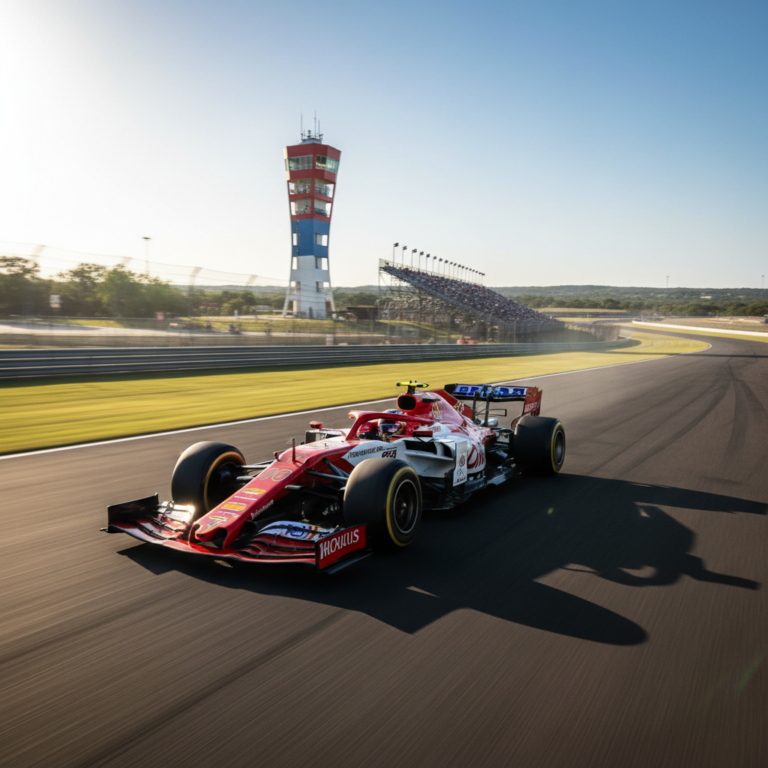
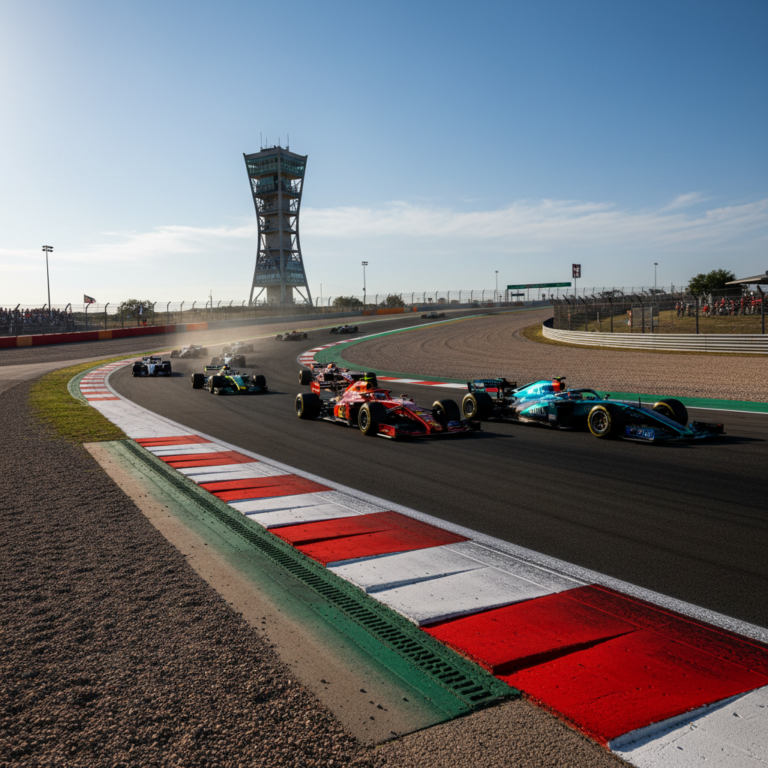
The paddock at the Circuit of the Americas is baking under the Texas sun, but the real heat is coming from a storm that is still more than a year away. As teams prepare for this weekend’s United States Grand Prix in Austin, the race track is not the only place where battles are being fought. Behind the garage doors, a quiet panic is reshaping the sport.
On paper, this weekend is a straight fight. We have a surging McLaren chasing down a scrambling Red Bull. But if you look closely at the decisions being made by team principals, you will see the heavy shadow of the 2026 regulatory overhaul hanging over everything. It is dictating who gets upgraded parts, who is losing staff, and who is throwing in the towel on this season to save their future.
A Radical Clean Sheet
The upcoming 2026 regulations represent the most drastic changes Formula 1 has seen in a generation. The sport is discarding the incredibly complex and expensive current hybrid engines. In their place will come simpler, cheaper power units split almost evenly between traditional internal combustion and electrical deployment. These new engines will run on 100% sustainable fuels. Alongside the engine changes, the cars themselves will shrink. They will be lighter, narrower, and feature active aerodynamics designed to reduce drag on the straights.
It is a complete reset. Because of the strict financial cost cap, teams cannot simply spend their way through this transition. Every dollar spent on a new front wing for the current car is a dollar taken away from 2026 research and development. This agonizing choice has created a bizarre, highly volatile competitive environment right now.
Red Bull’s Tightrope Walk
Look at Red Bull. A year ago, they were utterly dominant, winning almost every race. Today, Max Verstappen is fighting for his life to protect a dwindling championship lead against Lando Norris. The reason for this sudden slide points directly to 2026.

Red Bull had to make a massive, risky decision to build their own engine division, Red Bull Powertrains, from scratch. Partnering with Ford, they have poured immense resources into a brand-new facility in Milton Keynes. This massive undertaking has stretched the team thin. At the same time, key personnel are leaving. Legendary designer Adrian Newey is heading to Aston Martin. Sporting director Jonathan Wheatley is departing to run the new Audi factory project. These departures are direct consequences of the 2026 shakeup, and they are hurting Red Bull’s performance on track today.
The Beneficiaries of the Shift
Meanwhile, McLaren has played a masterclass. By maximizing their wind tunnel time and aerodynamic development before the strict 2026 testing restrictions lock in, they have built a car that is fast everywhere. Crucially, McLaren does not have the distraction of building an engine. They will remain a Mercedes customer. This singular focus has allowed them to leapfrog the reigning champions.
Other teams are making equally massive gambles. Lewis Hamilton’s shocking move to Ferrari for next season was a decision heavily influenced by whispers about Ferrari’s 2026 engine progress. At Mercedes, engineers are quietly confident that their historical expertise in engine transitions will give them another unfair advantage, just like in 2014. Even Aston Martin is sacrificing their current form, waiting for the moment they become Honda’s official works partner in 2026.
The Final Upgrades in Austin
This brings us to the bumpy asphalt of Austin. This weekend is widely regarded as the final stop for major car upgrades this season. Red Bull has brought a heavily revised floor to Texas in a desperate bid to cure the balance issues plaguing Verstappen. McLaren is bringing minor tweaks to solidify their advantage. Ferrari is hoping to play spoiler.
But this is the end of the line. On January 1, 2025, a strict ban on aerodynamic wind-tunnel testing for the 2026 cars will lift. From that exact moment, the current grid will essentially freeze. Every single engineering mind in the pit lane will pivot entirely to the future.
So, as the lights go out in Austin, we are watching two championships at once. The battle on the track is tense, physical, and unpredictable. But the invisible strings are being pulled by a future that is already here.
About the Author