The Twin Battles at COTA
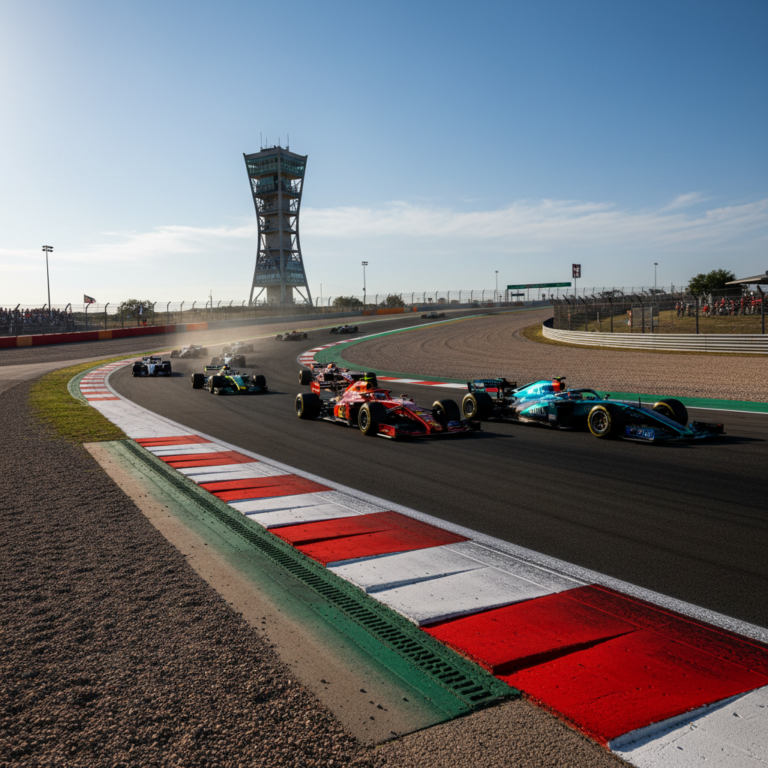
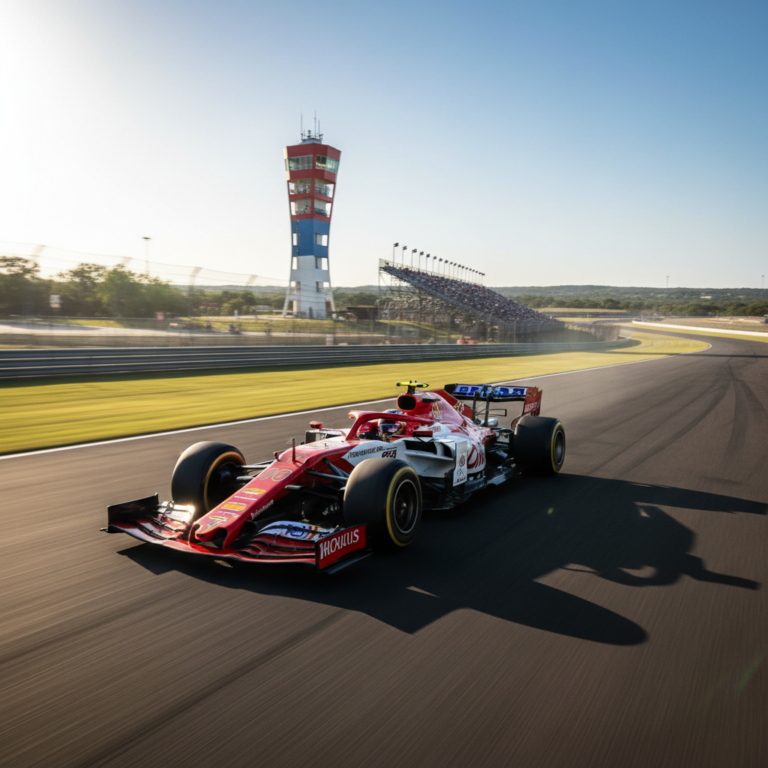
Austin is hot, bumpy, and unforgiving. This weekend, the Circuit of the Americas hosts a crucial battleground for the 2024 crown. Max Verstappen and Lando Norris are locked in a high-stakes chess match. But behind the pit wall, another war is raging. It is silent, expensive, and incredibly complex.
Formula 1 is on the cusp of its most radical regulatory shift in a generation. In 2026, the sport will introduce brand-new power units and active aerodynamics. Even as teams fight for milliseconds in Texas, their engineering offices back in Europe are already consumed by the future. The choices made now will define the grid for years to come.
The 2026 Engine Headache
The upcoming engine regulations are a massive departure from the current turbo-hybrids. The complex MGU-H, which recovers energy from exhaust gases, is gone. Instead, F1 is aiming for a near-50/50 split between internal combustion power and electrical energy. The electrical output will jump from the current 120kW to a massive 350kW.
It sounds great on paper. In reality, it is a massive engineering headache. Without the MGU-H, keeping the battery charged is incredibly difficult. On long straights, like the 1.2-kilometer back straight here in Austin, cars risk running out of electrical deployment. Drivers call this “derating” or “clipping.” To prevent cars from suddenly slowing down like road cars in eco-mode, the chassis must change entirely.
Active Aero to the Rescue (and the Danger)
To keep speeds high and prevent engines from running out of juice, F1 is turning to active aerodynamics. The cars will feature wing elements that shift on the fly. In “Z-mode,” the wings will be wide open for maximum downforce in the corners. On the straights, they will switch to “X-mode,” shedding drag to help the engine reach top speeds without draining the battery.
But this concept almost hit a wall early on. When teams ran the initial active aero models in their simulators, the results were terrifying. If only the rear wing opened to reduce drag, the balance of the car shifted violently forward. In simulations, cars spun out on the straights under acceleration. The rear tires simply lost all grip.
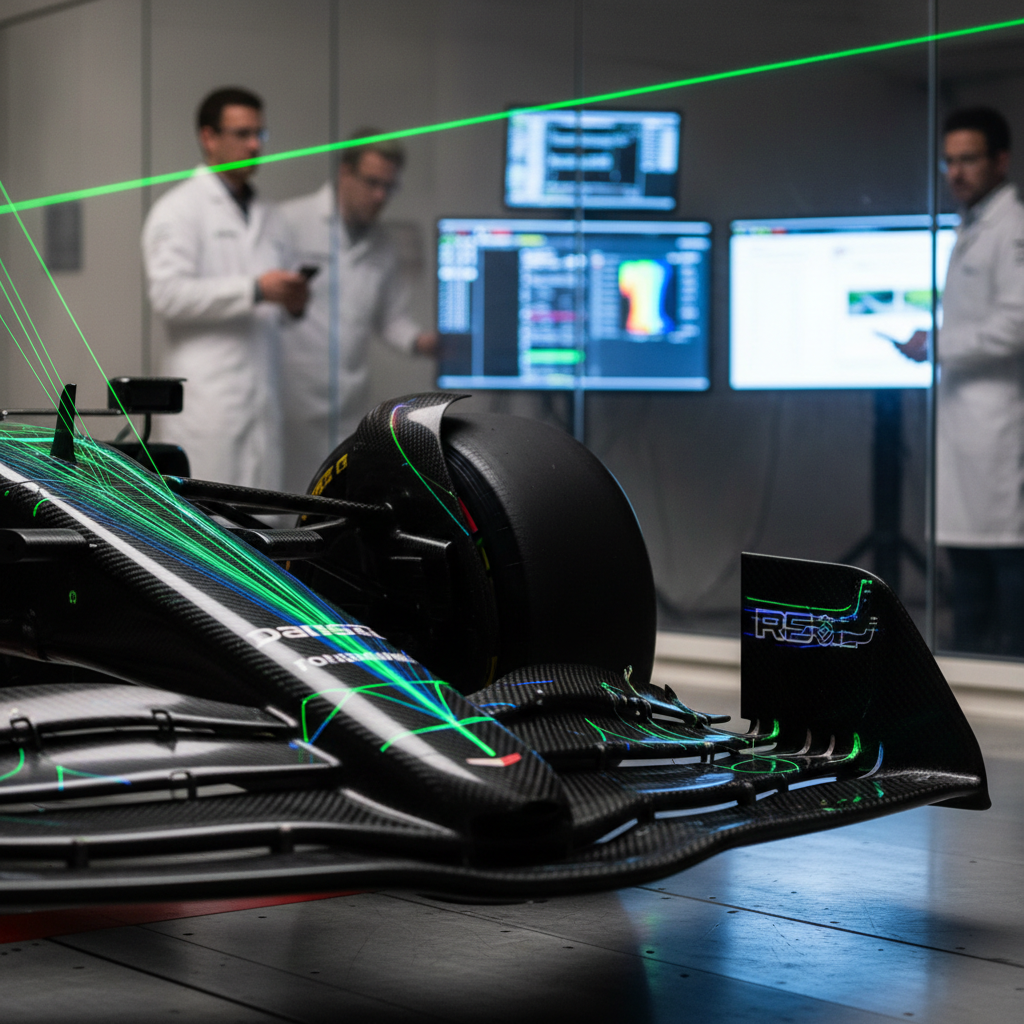
The FIA had to pivot fast. They realized that active aero cannot just be a rear-wing trick. The front wing must move in tandem to keep the car balanced. This means complex hydraulic and mechanical systems must be built into the front nose cone, adding weight and engineering complexity.
The Current Title Fight: A Dangerous Distraction?
How does this impact the Austin GP? It creates a brutal resource dilemma. Under the strict budget cap, teams cannot simply throw money at both projects. Upgrades brought to Austin by Red Bull, McLaren, and Ferrari cost vital development hours and cash.
Red Bull is desperate to cure the balance issues plaguing Verstappen’s RB20. McLaren is pushing to cement its lead in the constructors’ standings. Yet, every dollar spent on a new floor or front wing for 2024 is a dollar taken away from 2026 research. While aerodynamic testing for the 2026 cars is banned until January 1, 2025, engine development is wide open. Power unit manufacturers like Red Bull Powertrains-Ford, Mercedes, Ferrari, and Audi are already spending millions.
There is also the driver market angle. Drivers are looking at who has the best engine project for 2026. Adrian Newey’s move to Aston Martin was heavily influenced by their upcoming exclusive partnership with Honda. Max Verstappen’s long-term future at Red Bull remains a talking point because of questions over their in-house engine project.
Survival of the Adaptable
COTA is a track that demands everything from a car. It has high-speed sweeps modeled after Silverstone, a tight stadium section, and a massive straight. It exposes every weakness. The team that wins this weekend will have mastered the delicate balance of high downforce and low drag for the current era.
But as the checkered flag falls in Austin, the engineers won’t just be looking at the podium. They will be looking at the simulator data, wondering if their 2026 active aero models will hold together when the real world catches up to the regulations.
About the Author