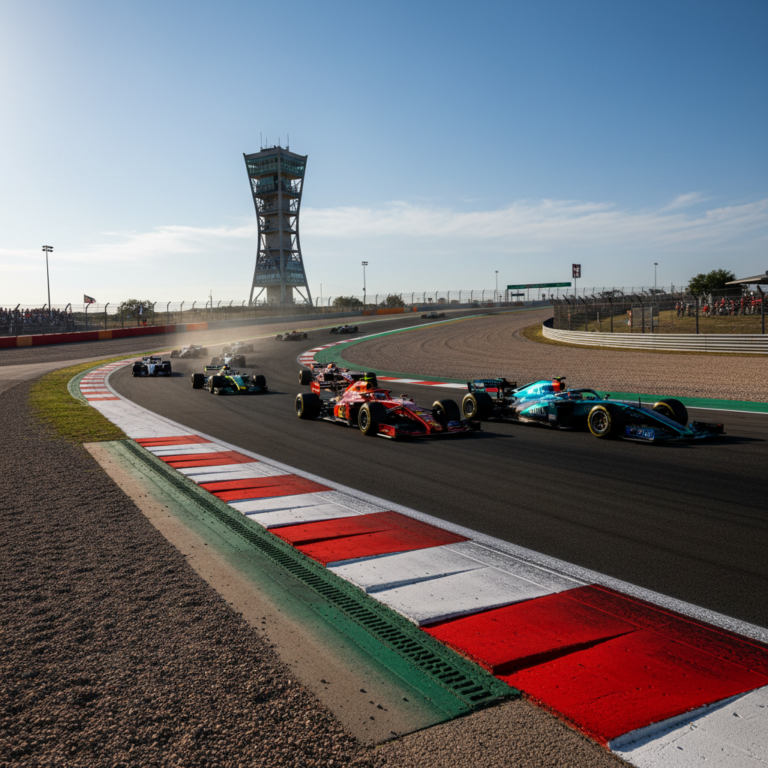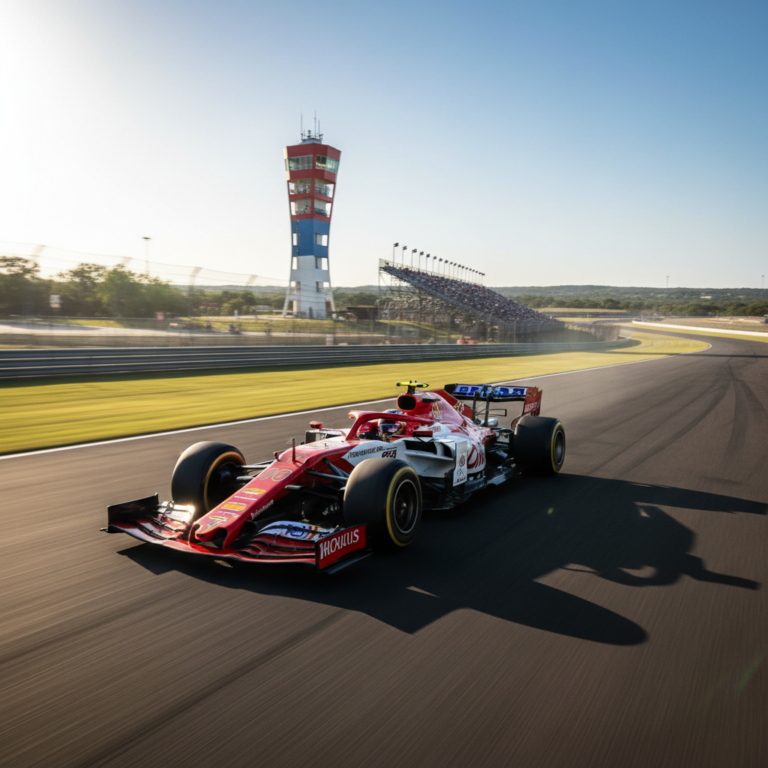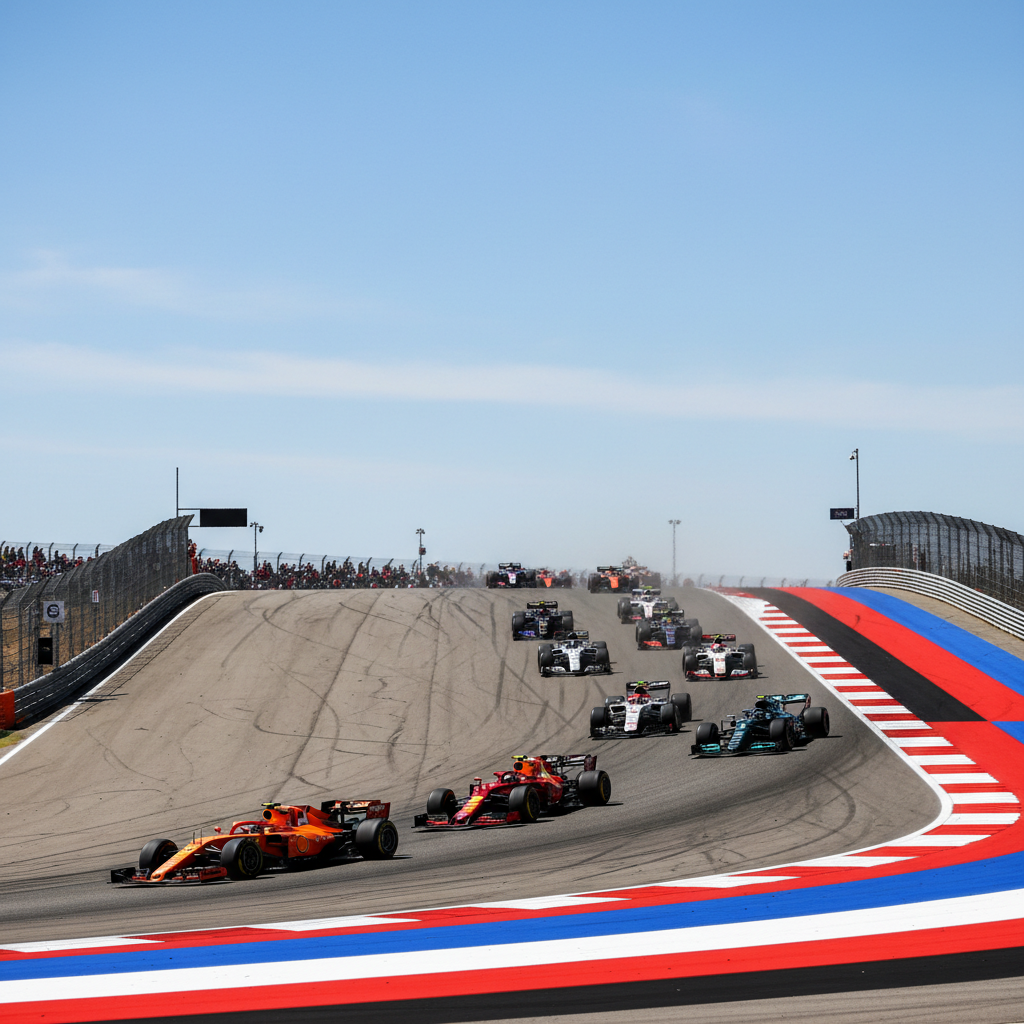
The Formula 1 paddock arriving at the Circuit of the Americas in Austin is facing a tense, double-sided reality. On the surface, the spotlight is firmly on the immediate battle. Max Verstappen is fighting to defend his crown against a surging Lando Norris. But beneath the Texas sun, a massive shadow looms. The radical 2026 technical regulations are already dictating the fate of the 2024 world championship.
It is unusual for rules that are still over a year away to disrupt the present so aggressively. Usually, teams focus entirely on the now. But the 2026 overhaul is different. It is not a mere tweak; it is a total reinvention of the sport. Cars will be smaller, lighter, and feature active aerodynamics that adjust on the fly to reduce drag on straights. More importantly, the power units will shed the complex MGU-H, relying instead on a nearly 50/50 split between internal combustion and a massive 350kW electrical system running on fully sustainable synthetic fuels.
The Great Brain Drain and Team Distractions
This blank slate has triggered a frantic game of musical chairs among engineers and drivers alike. The ripple effects are directly impacting the current standings. Look no further than Red Bull Racing. The team that started the season in dominant fashion has struggled with balance and performance issues on its RB20. Why? Part of the answer lies in the massive resource diversion required to build Red Bull Powertrains’ first-ever in-house engine for 2026 in partnership with Ford.
Building an engine department from scratch is a monumental task. It has stretched the team’s focus. Concurrently, legendary designer Adrian Newey announced his departure to Aston Martin, a move heavily influenced by the blank canvas of the 2026 aero rules and Aston’s upcoming works Honda partnership. This internal friction and loss of key personnel have left Red Bull vulnerable, allowing McLaren and Ferrari to close the gap in both championships.
Driver Market Chaos Bleeds into the Present
The driver market has been equally chaotic, driven almost entirely by who is expected to have the best engine in 2026. Lewis Hamilton’s bombshell decision to leave Mercedes for Ferrari was not about his chances this year. It was a long-term bet on Ferrari’s power unit development. That single move set off a chain reaction.
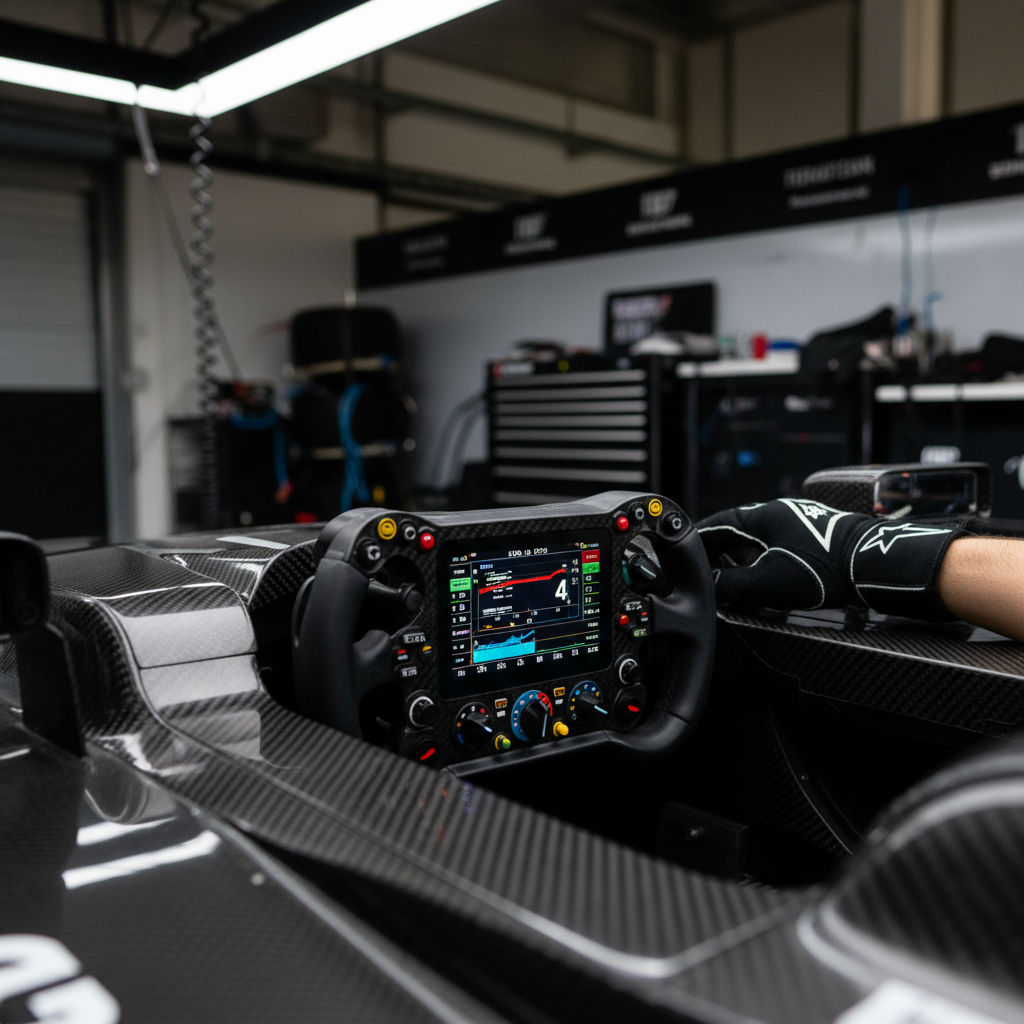
Carlos Sainz, displaced by Hamilton, spent months negotiating before committing to Williams. Nico Hulkenberg committed to Sauber ahead of its transition to Audi. When drivers know they are leaving, team dynamics shift instantly. Outgoing drivers are gradually locked out of technical meetings to protect future intellectual property. Development feedback loops slow down. In a sport decided by thousandths of a second, these subtle distractions cost points on Sunday.
The Ultimate Resource Allocation Dilemma
Perhaps the biggest catalyst for the current championship shake-up is the strict cost cap. Teams cannot simply throw money at both the current cars and the 2026 prototypes. Under the FIA rules, aerodynamic testing for the 2026 cars is strictly banned until January 1, 2025.
This creates a brutal strategic bottleneck. Right now, teams must decide how much of their remaining wind tunnel time and budget to spend on bringing upgrades to Austin and the remaining flyaway races, versus preparing CAD models and simulation data for the minute the calendar turns to 2025.
- Red Bull: Forced to bring significant upgrades to Austin to stop Verstappen’s slide.
- McLaren: Benefiting from a car that works everywhere, allowing them to balance current development with 2026 preparation.
- Ferrari: Quietly refining their package while shifting key engineering minds to the 2026 engine dynos.
What Is at Stake in Austin
As the cars take to the track at COTA, the pressure is immense. The upgrades introduced in Texas are likely the final major aerodynamic packages we will see this season. From this point on, engineering focus will pivot sharply toward the simulator rooms and engine test beds of 2026.
The current championship is being fought with one eye on the track and the other on the engineering drawings of the future. The team that manages this delicate balancing act best over the next month will not only take home the trophies in 2024 but will also get a crucial head start on the next era of Formula 1.
About the Author