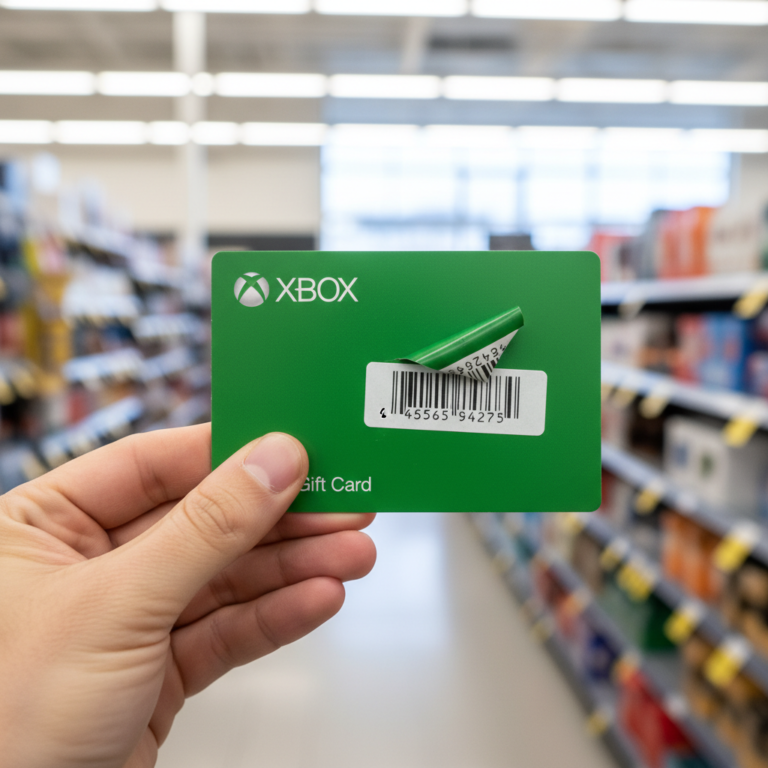
Buying a last-minute gift for a gamer is about to get a lot cleaner. Microsoft has announced a major environmental push to phase out traditional plastic Xbox gift cards. In a joint effort with retail giants Walmart and Target, the tech giant aims to transition all physical Xbox gift cards to biodegradable materials by December 2026.
The move targets one of the retail industry’s quietest environmental headaches. Every year, millions of plastic gift cards end up in landfills. Most are made of polyvinyl chloride, or PVC. It is a stubborn, non-recyclable plastic that takes hundreds of years to break down. Microsoft wants to change that. They plan to replace these cards with sustainable, paper-based alternatives that degrade naturally without leaving harmful microplastics behind.
The Scale of the Plastic Problem
Walk down the checkout aisle of any major retailer, and you will see rows of colorful gift cards. They are convenient. They make great stocking stuffers. But their environmental cost is staggering. Industry estimates suggest that global gift card production generates tens of thousands of tons of plastic waste annually. Because these cards are small and thin, recycling facilities cannot process them. They slip through sorting machines and go straight to the dump.
By partnering with Walmart and Target, Microsoft is targeting the heart of the retail market. These two retailers represent a massive share of physical Xbox card sales in North America. If you buy a digital code in a physical store, it usually comes on a piece of plastic. By the end of 2026, those cards will look and feel different.
Crafting a Green Alternative
Transitioning away from plastic is not as simple as swapping materials. The new cards must survive shipping, handling, and display racks. They need to look good and feel durable. Microsoft is currently testing several materials to replace PVC. The leading candidate is an FSC-certified paperboard. This material is sourced from responsibly managed forests. It is sturdy enough to hold a scratch-off strip but can decompose within months in a standard compost pile.
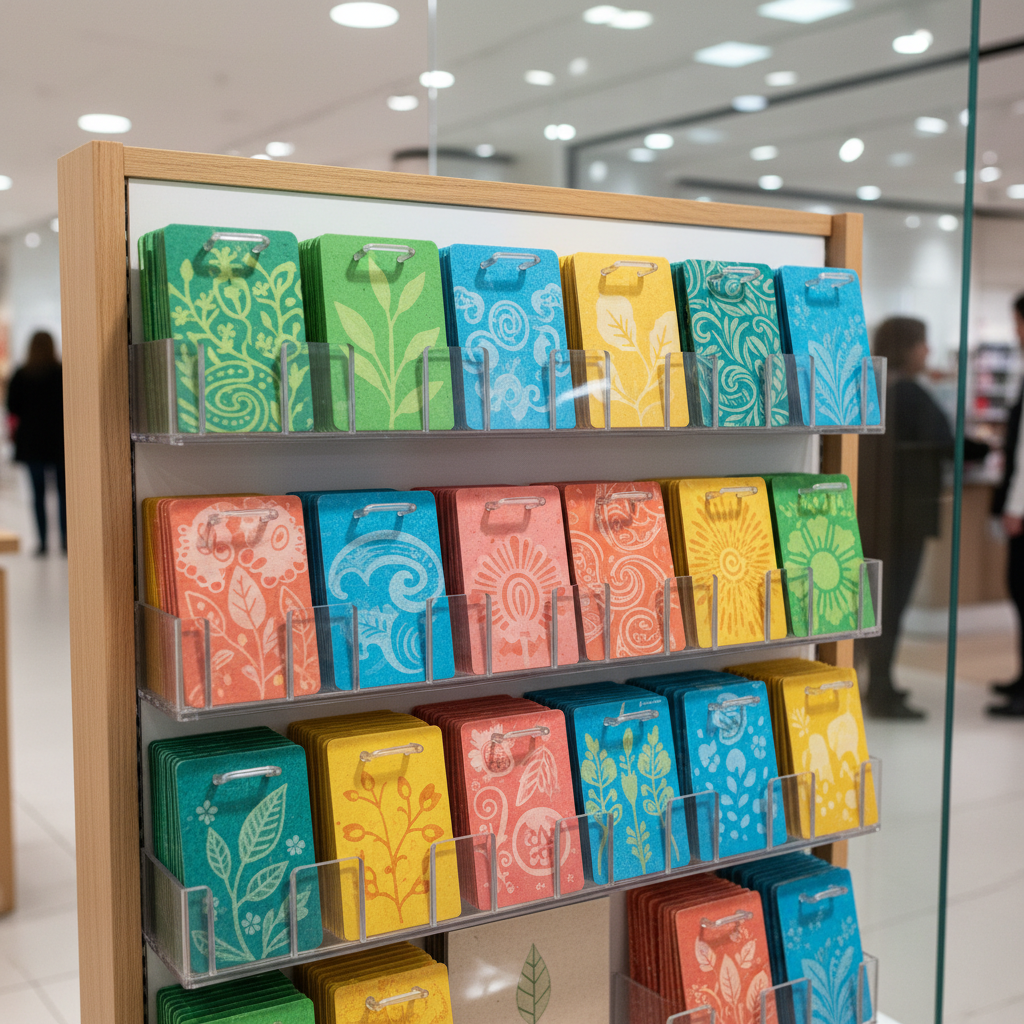
The company is also experimenting with water-based and soy-based inks to ensure the printing process does not introduce toxic chemicals into the soil. Even the adhesive used to stick the cards to their cardboard backings is getting a green upgrade. It is a meticulous process, but Microsoft insists the end product will be entirely biodegradable.
Retail Giants Step Up
Walmart and Target are crucial to the success of this initiative. Without their cooperation, changing the supply chain would be nearly impossible. Both retailers have their own ambitious sustainability goals, making the partnership a natural fit. Target has committed to reducing virgin plastic packaging across its stores, while Walmart aims for zero waste in its operations. This joint effort helps all three companies move closer to their environmental targets.
Representatives from Walmart expressed enthusiasm for the project, noting that customers increasingly demand sustainable choices. When major brands collaborate, it sets a new standard for the entire retail sector. If Xbox can successfully ditch plastic cards, other gaming and retail brands may feel the pressure to follow suit.
Part of a Larger Climate Pledge
This initiative aligns with Microsoft’s broader promise to become a carbon-negative, water-positive, and zero-waste company by 2030. The Xbox division has already made strides by using recycled plastics in its controllers and consoles. They have also rolled out energy-saving software updates for Xbox consoles. Addressing the waste generated by physical gift cards is the next logical step.
Transitioning the entire inventory will take time. Over the next two years, shoppers will gradually see the new paper-based cards replace the old plastic ones on store shelves. By December 2026, the transition should be complete, marking a quiet but significant victory for retail sustainability.
About the Author