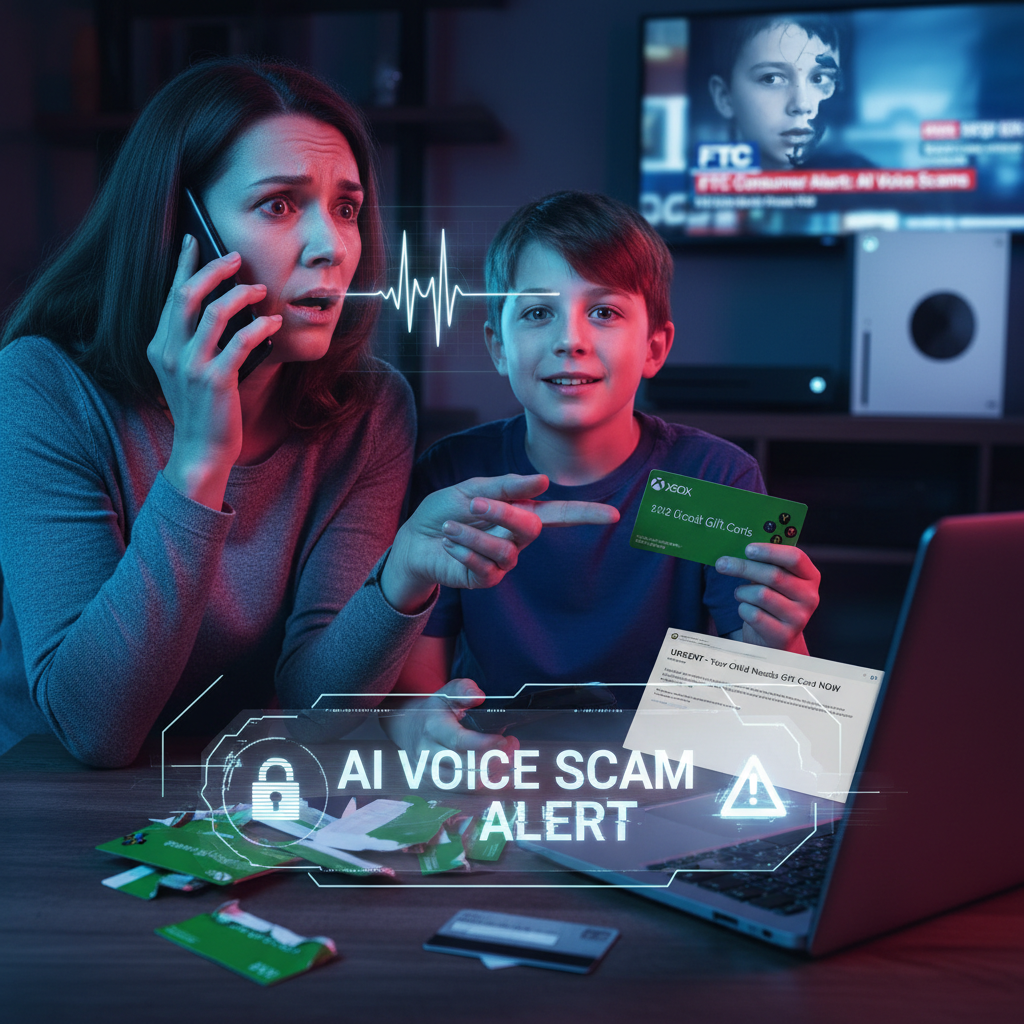
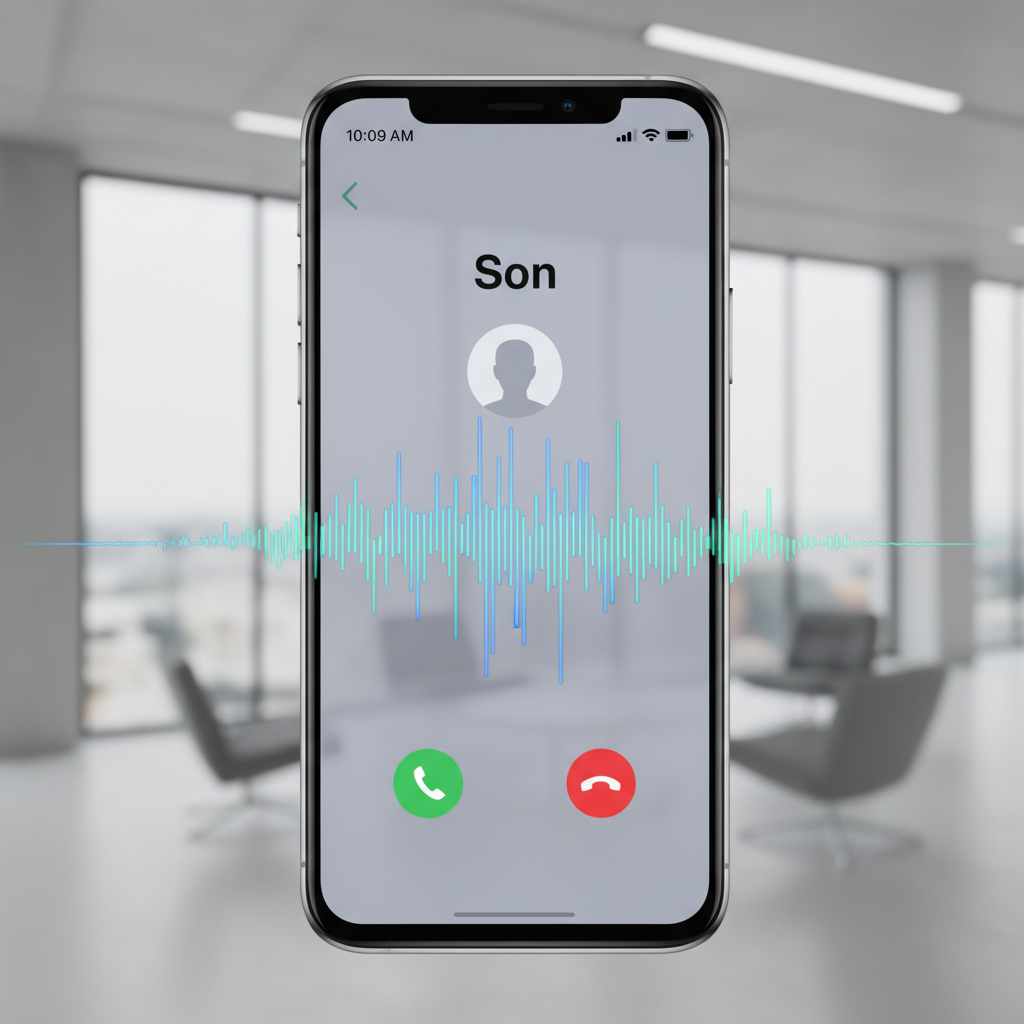
Imagine your phone rings. You answer it, and you hear your teenager’s voice. They are crying, frantic, and sounding utterly terrified. They tell you they have made a terrible mistake, their gaming account has been hacked, or they are being threatened by someone online. To fix it, they need you to buy Xbox gift cards right away and read them the codes over the phone.
Your instinct is to protect them. You want to act immediately. But the Federal Trade Commission (FTC) is urging parents to take a deep breath and hang up. It might not be your child on the line. Instead, you could be talking to an artificial intelligence program designed to steal your money.
The Rise of Voice Cloning and Emergency Scams
As the 2026 holiday shopping season kicks into high gear, federal regulators are sounding the alarm on a sophisticated new wave of AI-generated voice phishing scams. These operations specifically target parents and grandparents. By leveraging cheap, widely available voice-cloning technology, bad actors can mimic a loved one’s voice with terrifying accuracy.
All it takes is a short clip. Scammers pull audio from public social media profiles on platforms like TikTok, Instagram, or YouTube. With just three seconds of real audio, modern AI tools can generate an entirely new conversation. The cloned voice retains the exact pitch, accent, and emotional inflections of the victim’s child.
Why Xbox Gift Cards?
In previous years, scammers demanded wire transfers or retail gift cards from big-box stores. This year, the FTC warns that Xbox gift cards have become a primary target. There are a few reasons for this shift.
- Familiarity: Parents are used to buying gaming gift cards for their kids during the holidays. It feels like a normal request.
- Speed: Gift cards are virtually identical to cash. Once you read the code on the back, the money is gone instantly.
- Untraceability: Scammers can quickly funnel the gift card balances through online gaming networks, converting them into digital items or selling them on secondary markets. This makes the funds almost impossible for law enforcement to track.
According to the FTC, scammers often ask for amounts ranging from $100 to $500. They rely heavily on artificial panic. They tell the parent not to tell anyone else, claiming that any delay will make the situation worse.
How to Spot and Stop the Scam
The technology behind these scams is advanced, but the defenses against them are remarkably simple. The FTC advises families to take several steps to protect themselves before the holiday rush begins.
Set Up a Family Passphrase
One of the easiest ways to verify a caller’s identity is to establish a secret family safe word. Choose a word or phrase that is easy to remember but impossible to guess. If you receive a frantic call from a child asking for money, ask them for the safe word. An AI bot or a scammer reading a script won’t know it.
Hang Up and Call Back
Never trust caller ID. Scammers use spoofing technology to make it look like the call is coming from your child’s actual phone number. If you get an emergency request, hang up immediately. Do not use the number that just called you. Instead, call your child back on their known, saved phone number, or contact another family member who might be with them to verify their safety.
Slow Down and Verify
Scammers want you to panic. Panic stops you from thinking clearly. If someone demands payment via gift cards, cryptocurrency, or wire transfer, it is almost certainly a scam. No legitimate emergency service, utility company, or government agency will ever demand payment in Xbox gift cards.
What to Do If You Have Been Targeted
If you or someone you know has fallen victim to one of these scams, acting fast is crucial. Contact the company that issued the gift card immediately. In this case, reach out to Microsoft support. If you act quickly enough, they might be able to freeze the card balance before the scammers spend it.
You should also report the call to the FTC at ReportFraud.ftc.gov. Every report helps federal investigators track down the networks operating these voice-cloning tools and shut them down before more families lose their hard-earned holiday budget.