A New Era of Quishing
The holiday shopping season is always a goldmine for scammers. But this year, cybersecurity experts are sounding the alarm over a particularly sneaky trick aimed at Xbox gamers. It is a sophisticated “quishing”—or QR code phishing—campaign, and it is hitting just as the 2026 holiday rush kicks into high gear.
If you are planning to grab an Xbox digital gift card for the gamer in your family, you need to watch where you point your phone camera. Convenience has a dark side.
According to a new advisory from the threat intelligence firm SentryOps, hackers have found a way to hijack both physical and digital Xbox gift cards. They are using highly realistic QR codes that redirect unsuspecting buyers to spoofed Microsoft landing pages. Once there, victims unwittingly hand over their login credentials and financial details.
“It is a clever exploit of convenience,” says Marcus Vance, principal security researcher at SentryOps. “People trust QR codes. They are on everything now, from restaurant menus to store displays. Scammers are banking on that digital muscle memory.”
How the Scam Works
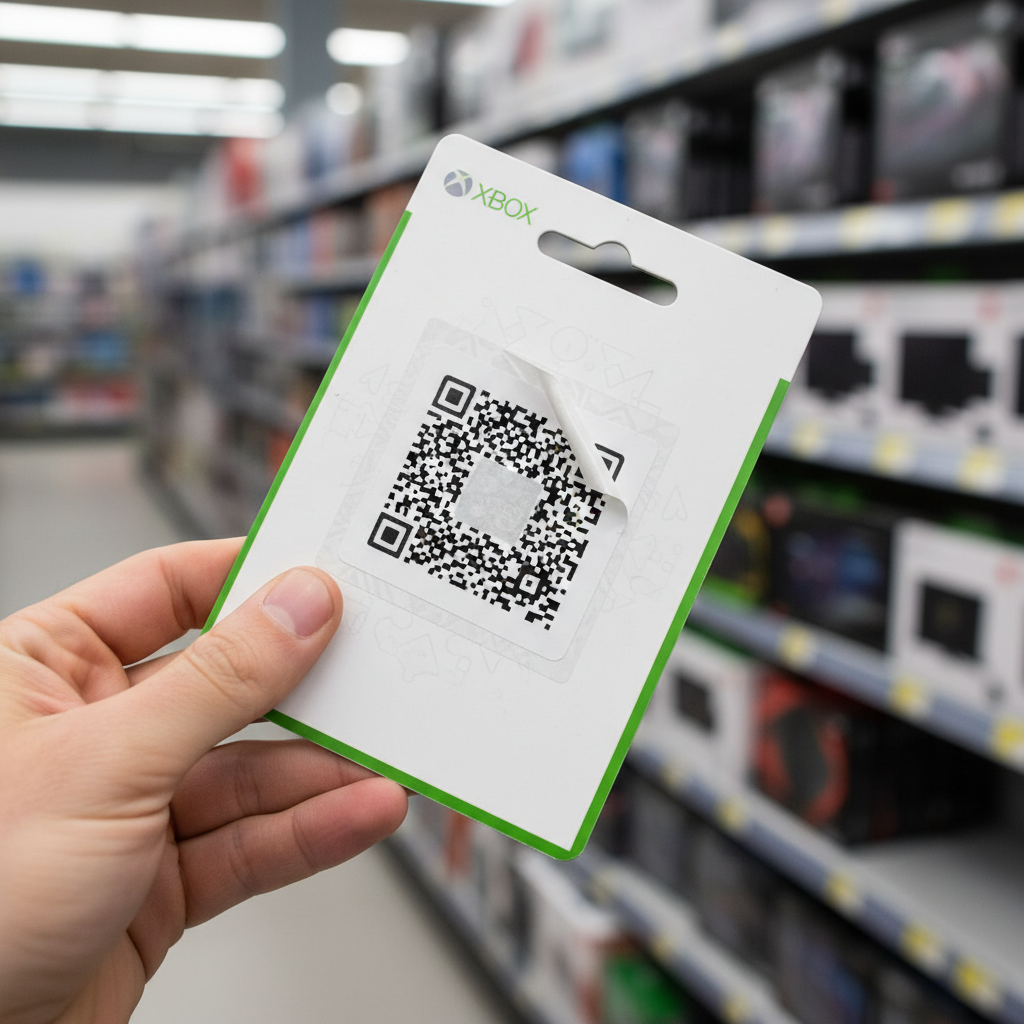
In physical retail stores, the scam is surprisingly low-tech but highly effective. Bad actors walk into major retail chains and place ultra-thin, professionally printed QR code stickers directly over the legitimate codes on the backs of Xbox gift card voucher sleeves.
When a shopper buys the card and scans the code to activate or redeem it, they do not land on Microsoft’s official redemption portal. Instead, they are redirected to a cloned site that looks identical to the official Xbox design, complete with fake security certificates.
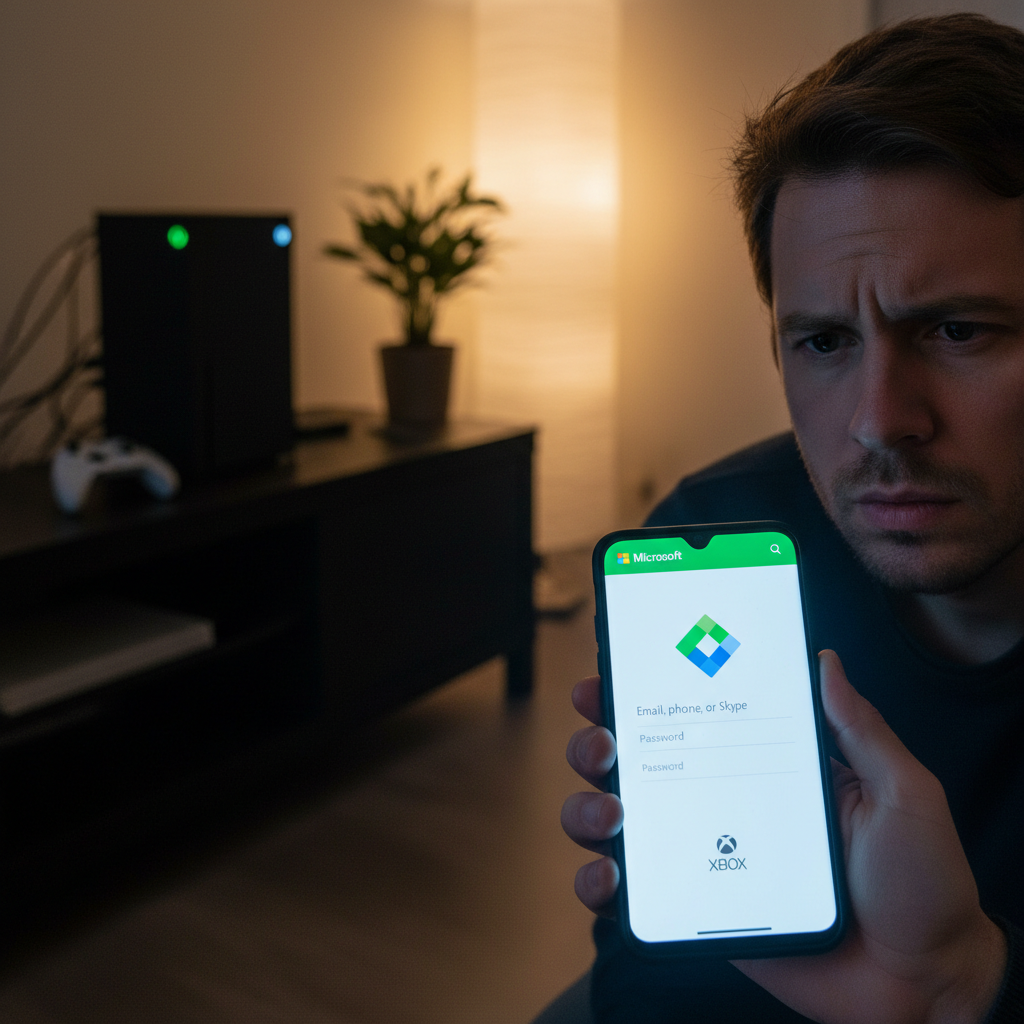
When the buyer enters their code and signs in to deposit the funds, the scammers instantly harvest the credentials. Within seconds, automated systems drain the gift card balance and lock the user out of their actual Xbox network account.
Digital Phishing on the Rise
On the digital front, the campaign is spreading through malicious social media ads and phishing emails. These messages promise “early holiday giveaways” or “double-value trade-ins” for Xbox gift cards. They urge users to scan a QR code on their screen to claim the deal.
SentryOps reports a 45% spike in QR-related retail scams this autumn compared to the same period last year. The timing is not accidental. The late 2026 gaming calendar is packed with highly anticipated releases, making Xbox gift cards one of the most requested items of the season.
“We have seen a massive surge in automated credential stuffing following these scans,” Vance explains. “Once they get your Microsoft login, they do not just stop at the gift card. They go after saved credit cards, personal emails, and even linked gaming accounts that might have hundreds of dollars worth of purchased digital games.”
How to Protect Yourself
Cybersecurity experts say a little skepticism goes a long way. You can protect your digital life by following a few straightforward safety steps:
- Feel for stickers: Before scanning any QR code on a physical gift card package, run your finger over it. If you feel a raised edge or a sticker layer, do not buy it. Take the card to store management immediately.
- Avoid screen scanning: When dealing with digital offers, avoid scanning QR codes displayed on computer screens or TV monitors with your phone. Instead, type the official Xbox redemption URL directly into your browser.
- Double-check URLs: Always verify the address bar on your mobile browser before entering any passwords. Official Microsoft pages will always use secure, official domains.
“If a deal looks too good to be true, it always is,” Vance warns. “Microsoft is never going to ask you to scan a random QR code to double your balance.”
Microsoft has long urged users to enable two-factor authentication on their accounts. This simple step can block hackers even if they manage to steal your password through a fake QR link. As the holiday scramble intensifies, taking an extra ten seconds to verify what you are scanning could be the difference between a happy gaming season and a compromised bank account.
About the Author