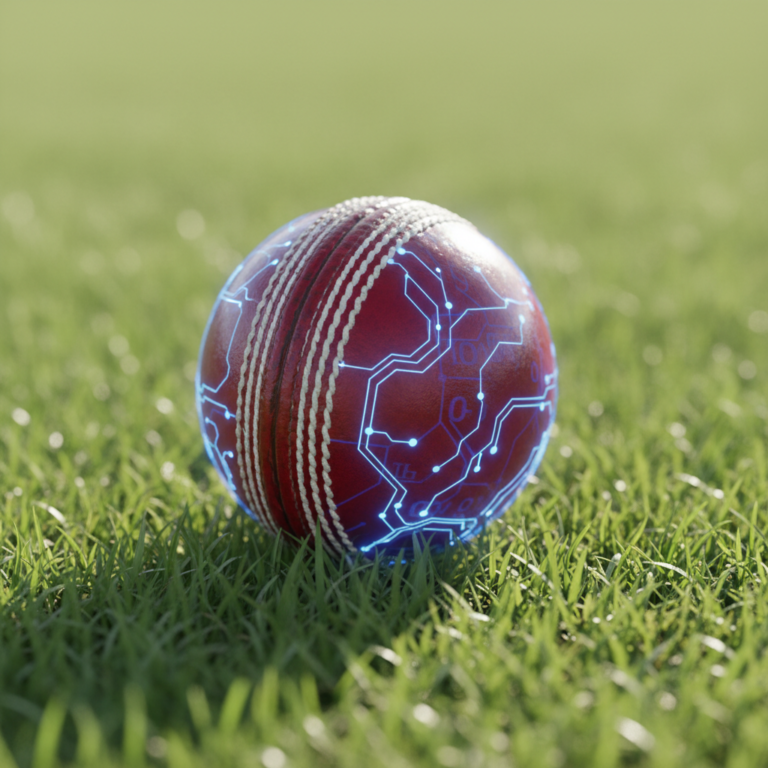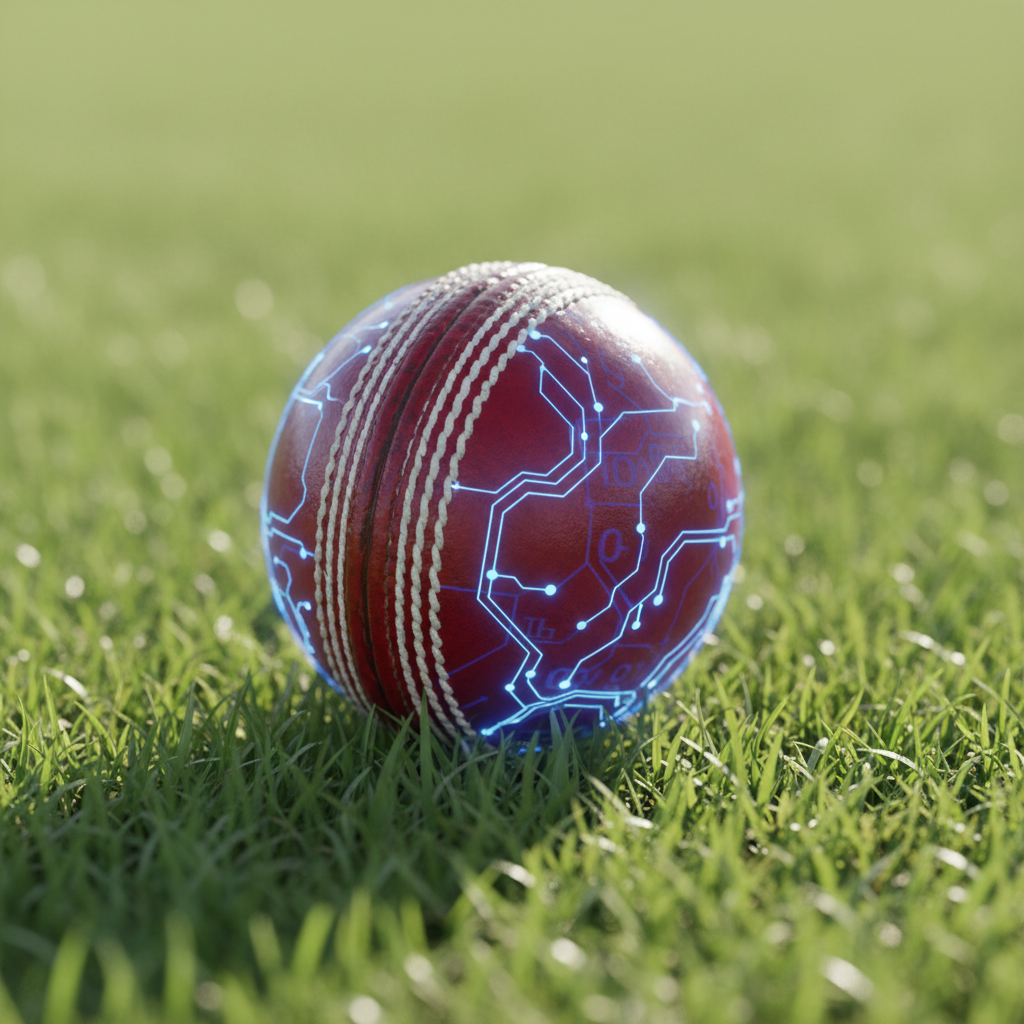
Cricket has always had a complicated relationship with its own history. Every time a new piece of technology arrives, the sport undergoes a miniature identity crisis. We saw it with Hawk-Eye, we saw it with Hot Spot, and now we are seeing it with the ball itself.
Cricket Australia wants to put microchips inside the ball for the upcoming 2026-27 Big Bash League (BBL) season. It is a trial that has divided dressing rooms before a single delivery has even been bowled.
What is the Smart Ball?
The concept is simple on paper. A tiny, shock-resistant sensor sits at the dead center of the ball. As it flies through the air, it broadcasts real-time data back to the commentators and coaches. It tracks revolutions per minute (RPM), speed before and after the bounce, and the exact angle of deviation when it hits the turf.
To tech enthusiasts, this is the logical next step for sports analytics. To purists, it is an unnecessary distraction that threatens the traditional feel of the game.
The Spinners’ Anxiety
The biggest concerns come from the players themselves, especially the spinners. They are a fussy bunch when it comes to their tools. Marcus Vaughan, a former Australian Test spinner who took over 200 first-class wickets, is highly skeptical about the change.
“A cricket ball is a delicate instrument,” Vaughan says. “We talk about the seam, the weight, the way the leather wears down. If you put a foreign object inside that core, even if they say it weighs the exact same, it changes the balance. It changes how the ball drifts. It changes how it behaves in the hand. We aren’t playing a video game here. This is real life, and the physical feel of the ball is everything to a bowler.”

Broadcasters Thrilled, Purists Wary
Cricket Australia, however, insists the ball is physically identical to the standard turf ball. Sarah Coombes, the board’s Lead of Technological Innovation, has spent months trying to reassure the skeptics.
“We’ve done extensive laboratory testing,” Coombes explains. “Blind tests with elite players showed they couldn’t tell the difference between a standard ball and a smart ball. This isn’t about changing the game’s mechanics. It’s about understanding them. We want to show the fans exactly how hard a spinner is working the ball. We want to show the sheer skill involved in a delivery that deviates five degrees off the turf.”
The push for this data is largely driven by broadcasters. TV networks are always looking for new ways to keep viewers glued to their screens. High-speed cameras are great, but hard numbers on screen—like seeing a bowler’s spin drop from 2,500 RPM to 1,800 RPM as they tire—adds a new layer of drama to the telecast.
Security and Integrity Concerns
But there are deeper concerns beneath the surface. Some integrity experts have warned that real-time ball data could be a goldmine for illegal betting syndicates. In a sport already plagued by spot-fixing scandals, giving outsiders instant access to micro-data could create new vulnerabilities. If a gambler knows exactly how much a ball is spinning or slowing down before the batsman does, the betting markets could react in ways that threaten the game’s integrity.
There are also questions about who owns this data. Will the players have access to their opponent’s microchip metrics during a match? Will a batsman be able to study a bowler’s live RPM rates from the dugout to predict their next move? Cricket Australia says they are still drafting the guidelines for how the data will be shared, but those details need to be ironed out quickly.
For now, the trial is going ahead. The 2026-27 BBL season will serve as the ultimate proving ground. If the smart ball succeeds without altering the physical nature of the game, it could become the new global standard. If it fails, or if players complain that it feels like a toy, Cricket Australia might have to tuck its high-tech dreams back into the kit bag.
About the Author