
Quebec voters delivered a paradox this week. At the ballot box, they handed the Parti Québécois enough seats to form a minority government, putting an unapologetically sovereignist party back in charge of the province. Yet ask those same voters whether they actually want to break away from Canada, and the answer remains a firm, persistent no.
Separation from the Canadian federation has rarely looked less urgent to the broader public. Poll after poll over recent years shows that only a committed minority of Quebecers favors holding a third referendum on sovereignty. Most voters are preoccupied with inflation, creaking public healthcare, housing shortages, and the daily grind of provincial administration. Still, the dream of a sovereign republic refuses to vanish entirely from the corridors of the National Assembly in Quebec City.
A Victory Built on Pragmatism, Not Secession
The PQ’s path back to power did not hinge on a sudden surge of separatist fervor. Instead, political analysts point to a widespread desire for a change in tone and steady management after years of mounting voter fatigue with rival parties.
By running a disciplined campaign focused on provincial autonomy, the defense of the French language, and improvements to social services, the party managed to broaden its appeal. Many voters who cast ballots for PQ candidates did so while openly dismissing the prospect of another national unity crisis. For these constituents, the party serves as a reliable champion of Quebec’s distinct identity inside Canada, rather than a vehicle to exit it.
That distinction matters. During the 1980 and 1995 referendums, the constitutional question completely dominated public life. Today, younger generations view the fiery debates of the 1990s as distant history. They worry about rent and climate policy, not rewriting the country’s founding treaties.
The Math Behind the Hesitation
Public opinion data across Quebec paints a clear picture. Support for outright secession typically hovers in the low to mid-30s. Even among French-speaking voters, who historically formed the core of the sovereignist coalition, the numbers fall well short of the 50-percent-plus-one threshold required to pull off a historic divorce.
Economic uncertainty plays a major role in that hesitation. Splitting from Canada carries immense risks: currency negotiations, trade border complications with the rest of the country, division of the national debt, and the future status of indigenous territories within the province. For a population already wary of economic instability, leaping into constitutional uncharted waters holds little allure.
There is also constitutional exhaustion. After two failed referendums and decades of circular debate over Quebec’s status, most citizens simply have no appetite to reopen the fight. They prefer a pragmatic balance, exercising distinct cultural powers while keeping Canadian passports and federal transfers intact.
Governing from the Middle of the Chamber
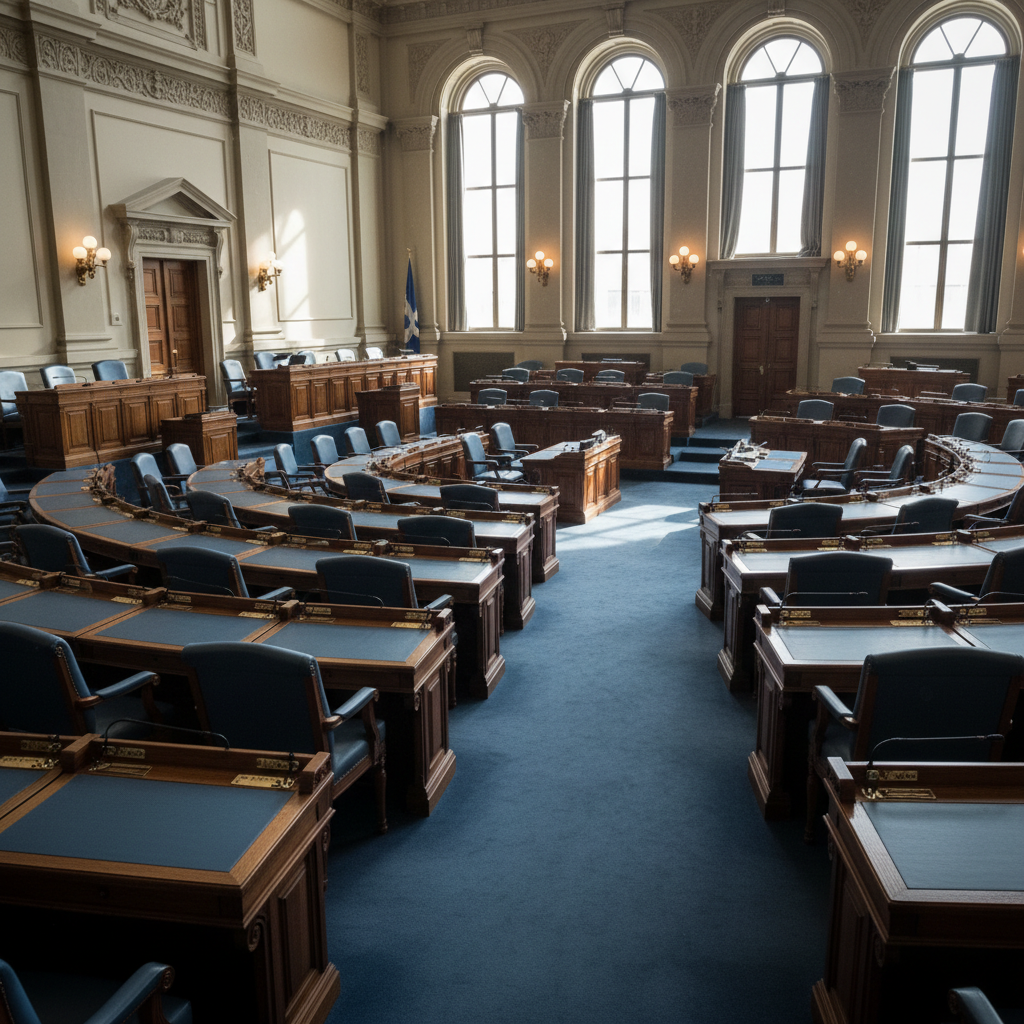
Holding a minority government sharply curtails what the PQ leadership can actually attempt. Without an outright majority in the 125-seat legislature, the premier must negotiate with federalist and center-right opposition parties on every major spending bill and piece of legislation.
Any push toward organizing a snap referendum would likely bring the administration down immediately. Opposition parties have made it clear they will cooperate on bread-and-butter provincial policies, but they will not fund or endorse preparations for secession. To keep governing, the new cabinet must shelf its ultimate constitutional ambition and focus on day-to-day governance.
Party strategists understand the dilemma. Push too hard on independence, and they risk alienating the moderate voters who just gave them power. Abandon the cause, and they risk demoralizing the grassroots activists who knock on doors and stuff envelopes.
An Enduring Undercurrent
Even so, writing off the sovereignist movement entirely would be a mistake. Quebec nationalism is not a passing trend; it is woven into the province’s literature, music, and collective self-image. For a dedicated core of activists, intellectuals, and party loyalists, the objective of self-determination remains the only logical end to centuries of cultural preservation.
They view this minority win as a vital foothold. From the premier’s office, the party can press Ottawa on immigration quotas, cultural funding, and linguistic regulations, systematically testing the boundaries of provincial authority. Each clash with the federal government provides fresh material to argue that Quebec’s interests are permanently constrained within Canada.
For now, though, the public mood is quiet. Quebecers have chosen sovereignists to govern their schools, pave their roads, and staff their hospitals. Whether that ever translates into breaking up the country is an entirely different matter.
About the Author






