
Cryptocurrency is great for day trading, but actually buying a cup of coffee or a new shirt with it remains a massive headache. PayPal is trying to change that. The payments giant has quietly rolled out a new feature that lets US users spend their PayPal USD (PYUSD) stablecoin on digital gift cards from major brands with absolutely zero transaction fees.
This update gives the dollar-pegged stablecoin some immediate, everyday utility. Instead of keeping their digital assets sitting idle in a wallet or paying conversion fees to swap them back to traditional cash, users can now turn PYUSD directly into purchasing power. They can buy digital cards for platforms like Uber, DoorDash, Apple, and Airbnb. It is a simple shift, but one that could make crypto feel a lot more like actual money to the average consumer.
Direct Spending Without the Usual Friction
The checkout process is built to be simple. Users open the PayPal app, head to the digital gift card section, select their retailer, and choose PYUSD as their payment source. Because PayPal is waiving the transaction fees for these purchases, the conversion is completely seamless. What you see is what you pay.
This fee-free structure is a big deal in an industry where hidden costs are the norm. Typically, moving crypto or converting it into fiat involves network gas fees, exchange fees, and frustrating waiting times. By eliminating these extra charges, PayPal is carving out a distinct niche for its stablecoin. It provides a direct consumer benefit that giant competitors like Tether (USDT) or Circle (USDC) do not easily replicate within a mainstream, consumer-facing app.
PayPal’s Long-Game Strategy for PYUSD
PayPal launched PYUSD in August 2023, teaming up with Paxos Trust Company to issue the token. Because Paxos is regulated by the New York State Department of Financial Services, PYUSD has a level of regulatory backing that many of its rivals lack. It is backed 1-to-1 by US dollar deposits, short-term Treasuries, and cash equivalents.
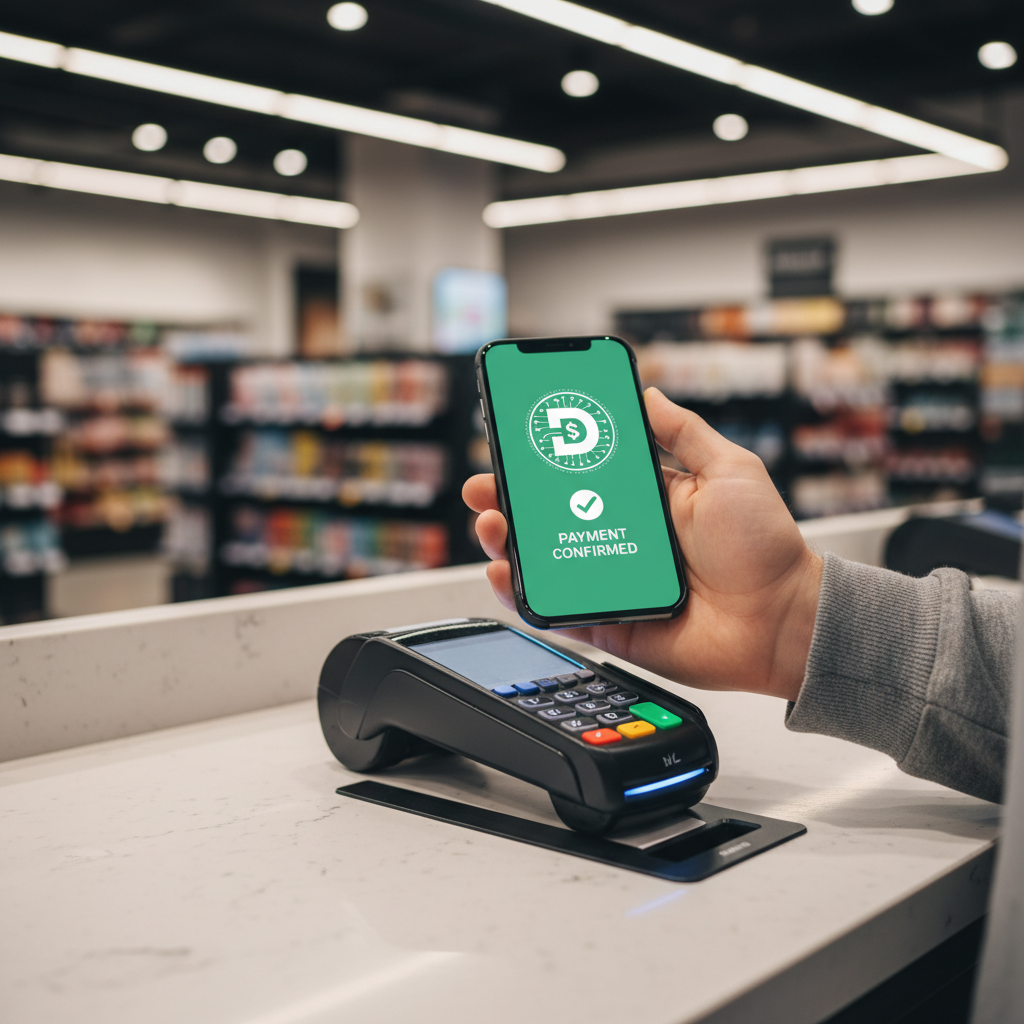
While the stablecoin got off to a slow start on the Ethereum network, PayPal has been steadily building its infrastructure. Last year, they expanded PYUSD to the Solana blockchain to take advantage of much faster transactions and microscopic network fees. They also integrated PYUSD into their Xoom service, allowing users to send international money transfers to friends and family with no transaction fees. Adding gift cards is the logical next step in making the coin a practical payment tool rather than just a speculative trading chip.
Jose Fernandez da Ponte, the head of PayPal’s blockchain and digital currency group, has pointed out that utility is the real secret to mainstream crypto adoption. For stablecoins to succeed outside of niche trading circles, regular people need a clear reason to use them. Buying a gift card for groceries, travel, or dinner fits that bill perfectly.
Bridging the Gap for Retailers
The digital gift card industry is massive, and it serves as a perfect bridge. Many retailers are still hesitant to accept crypto directly because of tax complications, price volatility, or technological hurdles. Gift cards bypass those problems. The merchant gets paid in standard US dollars, while the consumer gets to offload their digital tokens. PayPal acts as the trust layer in the middle, managing the conversion behind the scenes.
This fee-free roll-out is currently limited to eligible US customers, but it shows where the payment industry is heading. Rather than just holding digital currencies and hoping they go up, users are being given functional paths to spend them in the real economy.
A Battle for Dominance in a Crowded Market
The stablecoin market is incredibly crowded, with Tether still holding the lion’s share of global volume. However, Tether and Circle primarily serve institutional traders and crypto-native users. PayPal is playing a different game. They are leveraging their massive network of millions of active merchant and consumer accounts to bring stablecoins to the high street.
Whether this new integration will trigger a massive wave of adoption is still an open question. But by removing the friction of transaction fees and connecting digital dollars directly to top-tier retail brands, PayPal is showing what a practical crypto ecosystem actually looks like.
About the Author