The holiday shopping rush has not even officially started, but cybercriminals are already active. Security researchers have flagged a sophisticated phishing campaign targeting holiday shoppers. The scheme uses highly convincing, spoofed PayPal portals to steal gift card funds and account login details before the Black Friday rush begins.
Dubbed the “Balance Check” scam, this campaign preys on consumers looking to stretch their holiday budgets. Attackers are banking on the chaos of early holiday sales to slip past shoppers’ usual defenses.
How the ‘Balance Check’ Scam Works
It usually starts with an unexpected notification. You might receive a text message, an urgent email, or spot a sponsored ad on social media. The message looks highly official, sporting the familiar blue PayPal branding. It claims you have an unclaimed digital gift card, or it offers an easy way to check the balances of your existing retail gift cards in one convenient place.
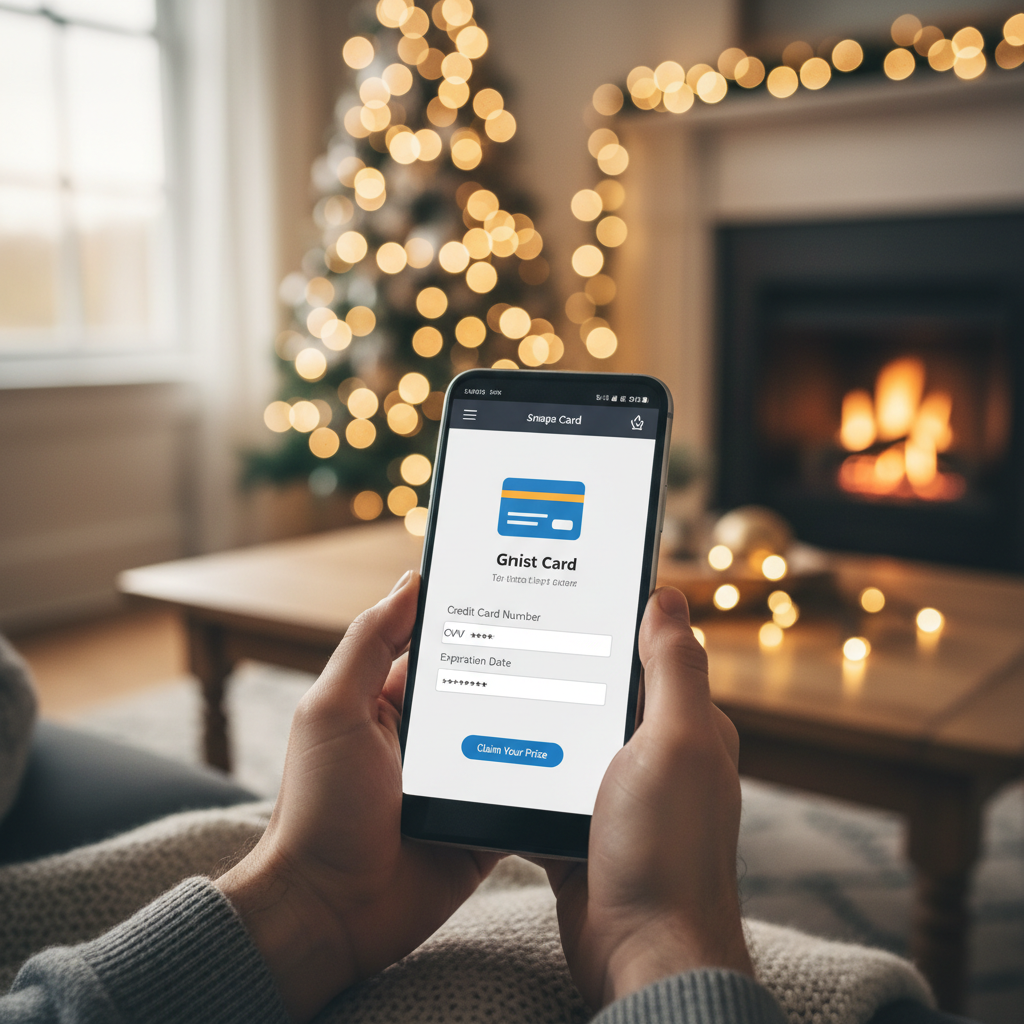
Clicking the link takes you to a fake website. The site is a near-perfect replica of an official PayPal page. If you are there to check a gift card balance, the portal asks you to enter the card number, expiration date, and security PIN. If you are there to claim a promotional reward, the site prompts you to log in with your PayPal username and password.
The moment you type this information, it goes straight to the hackers. Within minutes, your gift cards are drained, and your PayPal account is compromised.

The Illusion of Legitimacy
Security experts note that these fake sites are incredibly hard to spot at a glance. The attackers use advanced techniques to mimic legitimate domains. This includes using lookalike web addresses that swap letters for visually identical characters, a tactic known as typosquatting.
Let’s look at why this is working so well this year. Shoppers are holding onto multiple digital vouchers from various retailers. Managing them is a hassle. A single portal that promises to track all your balances sounds like a lifesaver. Unfortunately, it is a trap.
A Highly Targeted Holiday Threat
“This is not a random, cast-a-wide-net kind of attack,” says Clara Mendoza, a lead cybersecurity analyst at ThreatShield Network. “The actors behind this are highly organized. They know people are hunting for discounts right now. They use high-pressure tactics, like telling victims their promotional gift cards will expire in 24 hours if they do not verify their details immediately.”
Mendoza points out that the timing is deliberate. Hackers know that retail systems are flooded with transactions during late autumn. Fraud detection networks are stretched thin. Victims might not even notice their gift cards are empty until they try to use them at a physical checkout counter weeks later.
How to Protect Your Wallet This Holiday Season
You do not have to fall victim to these holiday traps. A few simple habits can keep your funds secure while you shop online.
- Never check balances on third-party sites: Only check your gift card balance through the official website printed on the physical card or the retailer’s verified app.
- Verify the URL: Double-check the address bar. Look for spelling errors, strange domain extensions, or extra dashes in the domain name. If it does not say exactly “paypal.com,” close the tab.
- Enable Two-Factor Authentication (2FA): Always protect your PayPal account and digital wallets with multi-factor authentication. Even if scammers steal your password, they cannot log in without the second verification step.
- Avoid unsolicited offers: If an email or text offers a free $50 or $100 gift card out of nowhere, it is almost certainly a scam. Legitimate companies rarely give away money without a clear, verified marketing campaign.
If you suspect you have already entered your information into a fraudulent portal, act quickly. Change your PayPal password immediately. Contact PayPal customer support, and notify the issuers of any gift cards you may have entered on the fraudulent site. Early intervention is the only way to save your hard-earned holiday cash.
About the Author