The New Face of Holiday Shopping Scams
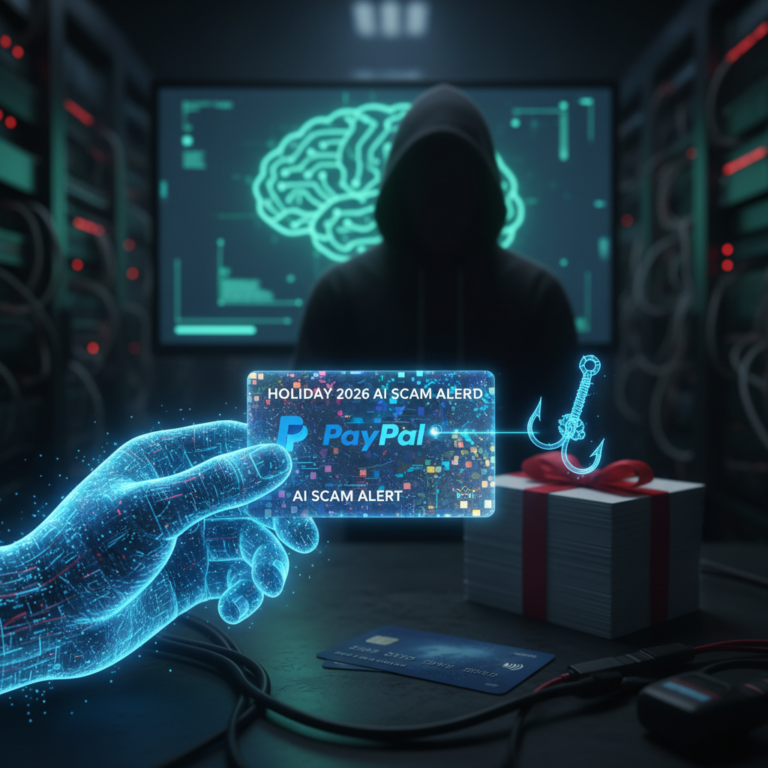
Holiday shopping is starting earlier than ever, and cybercriminals are already one step ahead. A highly sophisticated scam is currently targeting people buying PayPal gift cards for the upcoming 2026 holiday rush. This time, bad actors are using AI-generated deepfakes to trick victims into draining their own cards before they can even wrap them up as gifts.
Security researchers are calling this the “balance checker” trap. It is simple, fast, and devastatingly effective.
How the Trap is Sprung
The scam begins when a shopper buys a PayPal gift card, often from an online reseller or a secondary marketplace. Naturally, the buyer wants to make sure the card is active and loaded with the correct amount. They turn to search engines or social media, typing in queries like “how to check PayPal gift card balance.”
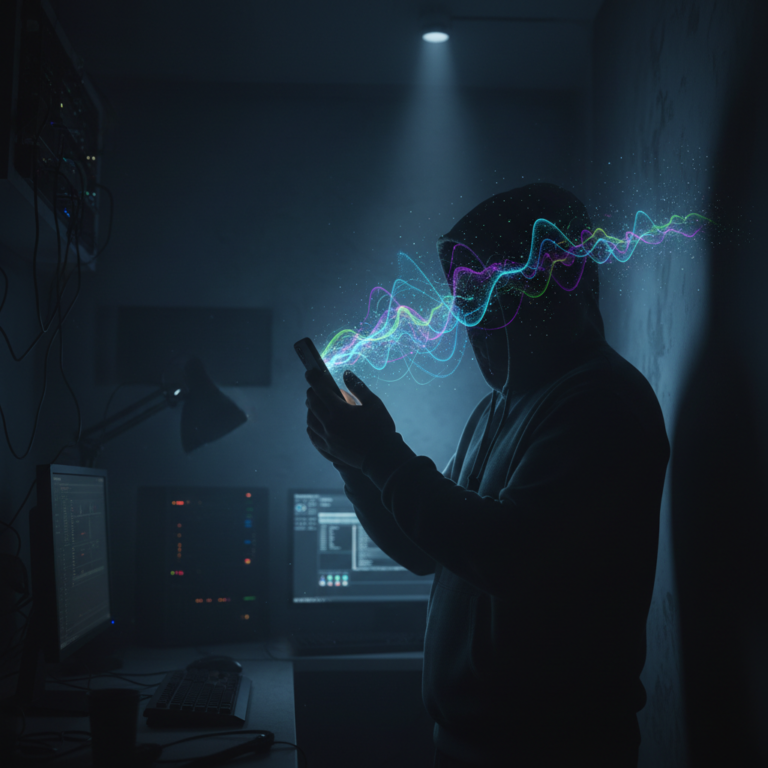
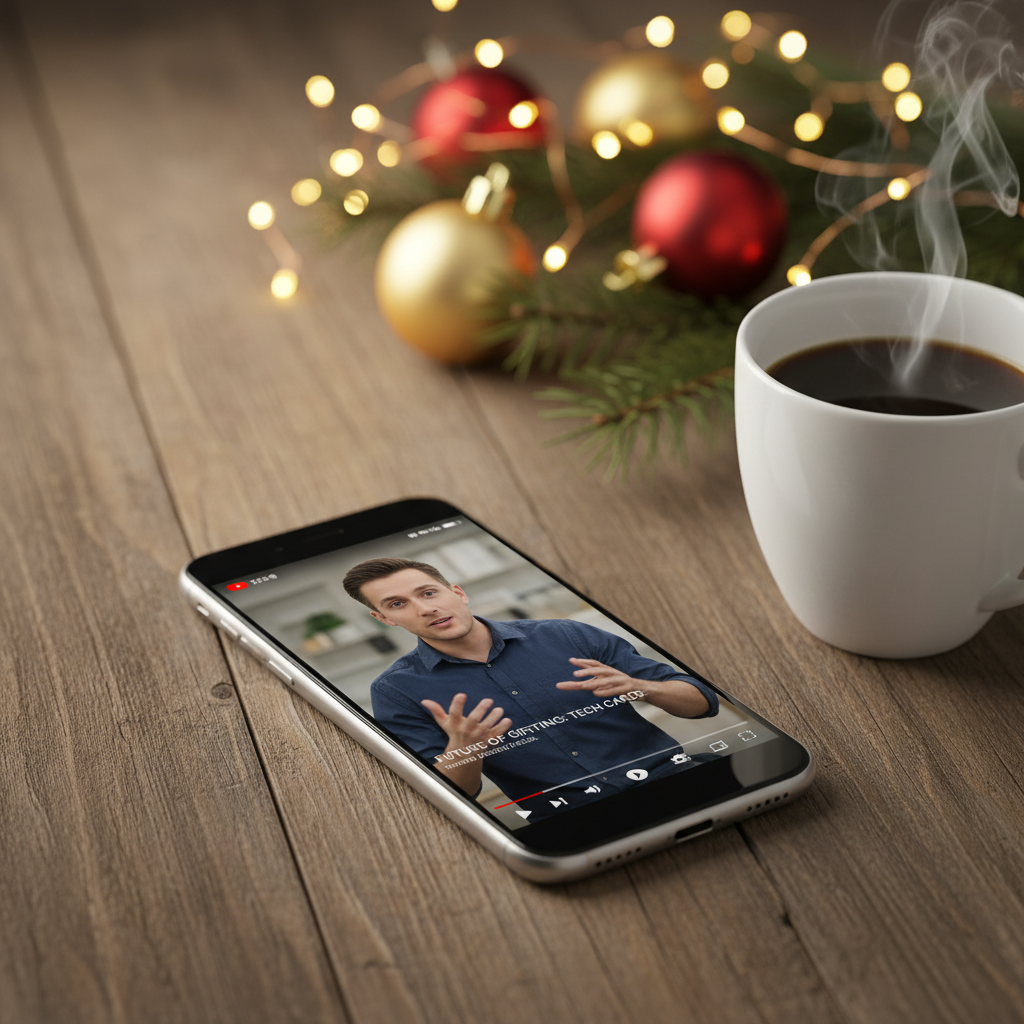
Instead of finding official support pages, they are hit with a wave of polished, professional-looking videos on platforms like YouTube, TikTok, and Instagram. These videos do not look like amateur jobs. They feature deepfaked versions of popular tech influencers or synthetic “PayPal customer service representatives” speaking with flawless, reassuring voices.
The AI-generated presenters walk viewers through using a “secure, official portal” to verify their balance. To make the deal even sweeter, some videos promise a $10 bonus just for using the tool. It feels modern, safe, and incredibly convenient.
The Instant Theft
Once a user clicks the link in the video description, they are taken to a cloned website that looks identical to PayPal’s actual platform. The design is perfect. The logos, fonts, and even the copyright footers are mirrored precisely.
But the moment the user enters their gift card number and security PIN, the scam is complete. The website might freeze, display a fake error message, or show a loading wheel. Behind the scenes, automated bots instantly harvest the credentials and drain the funds. Within seconds, the card is empty.
“We have seen a massive leap in the quality of these synthetic scams,” says Marcus Vance, principal threat researcher at NetSentinel Laboratories. “A year ago, you could spot these frauds easily. You looked for robotic voices or strange lip-syncing. Now, these deepfakes are practically indistinguishable from real corporate videos. They prey on everyday shoppers who are just trying to protect their purchases.”
Why PayPal Cards are the Target
Gift cards have always been a favorite tool for scammers. They are highly liquid, easy to trade online, and virtually impossible to trace once spent. Unlike credit cards, gift cards do not come with robust fraud protection. Once the funds are gone, getting a refund from the issuer is incredibly difficult.
According to data from NetSentinel, fraudulent websites targeting gift cards have spiked by 45% over the last quarter alone. Analysts expect this number to double as the holiday shopping season kicks into high gear. The average victim loses about $120, though some high-value cards have cost buyers up to $500.
How to Protect Yourself
PayPal does not host third-party balance checkers. On its official support pages, the company explicitly warns customers to never enter their card details on any website other than the official PayPal platform or mobile app.
Protecting yourself requires a few basic safety habits:
- Check the URL: Phishing sites often use misleading domain names like “paypal-balance-check-free.com” or “verify-paypal-gift.net” instead of the official paypal.com.
- Avoid Search Engine Shortcuts: Do not click on links in YouTube descriptions, TikTok bios, or sponsored Google search results.
- Go Old School: The safest way to check a gift card balance is to use the phone number or official website address printed directly on the back of the physical card.
- Ignore the Hype: No legitimate company will give you a cash bonus simply for checking your gift card balance. If an offer feels too good to be true, it is a trap.
As AI technology becomes more accessible, scams will only get harder to spot. Taking an extra minute to verify where you are entering your financial data is the best defense against high-tech holiday theft.
About the Author