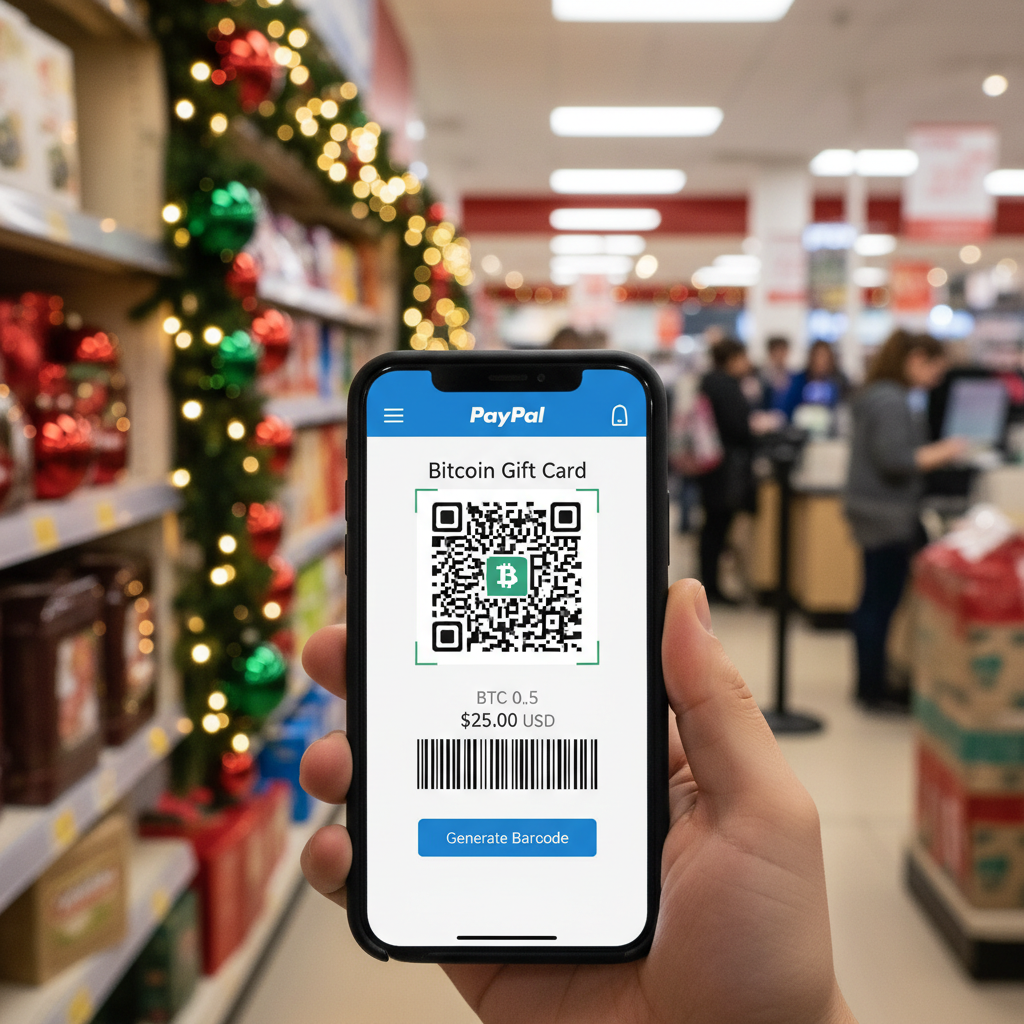
A Seamless Bridge to Mainstream Retail
PayPal is making a major play to turn digital assets into everyday spending power. Just in time for the chaotic 2026 holiday shopping rush, the payments giant has announced a new feature. Users can now instantly convert their cryptocurrency balances into digital gift cards for some of the world’s largest retail brands.
The timing is no accident. With retail sales projected to hit record highs this winter, PayPal wants to capture a slice of that spending by unlocking the billions of dollars currently sitting in digital wallets. The new system bypasses the usual headache of selling crypto, waiting for cash to clear in a bank account, and then spending it. Instead, the conversion happens in seconds.
How the Instant Redemption Works
The mechanics are straightforward. Users open the PayPal app, select their cryptocurrency of choice—including Bitcoin, Ethereum, Litecoin, or PayPal’s own stablecoin, PYUSD—and choose a retail partner. From there, they can purchase a digital gift card of varying denominations.
Some of the biggest names in retail are already on board. Shoppers can redeem their tokens for cards at:
- Walmart
- Target
- Best Buy
- Sephora
- Home Depot
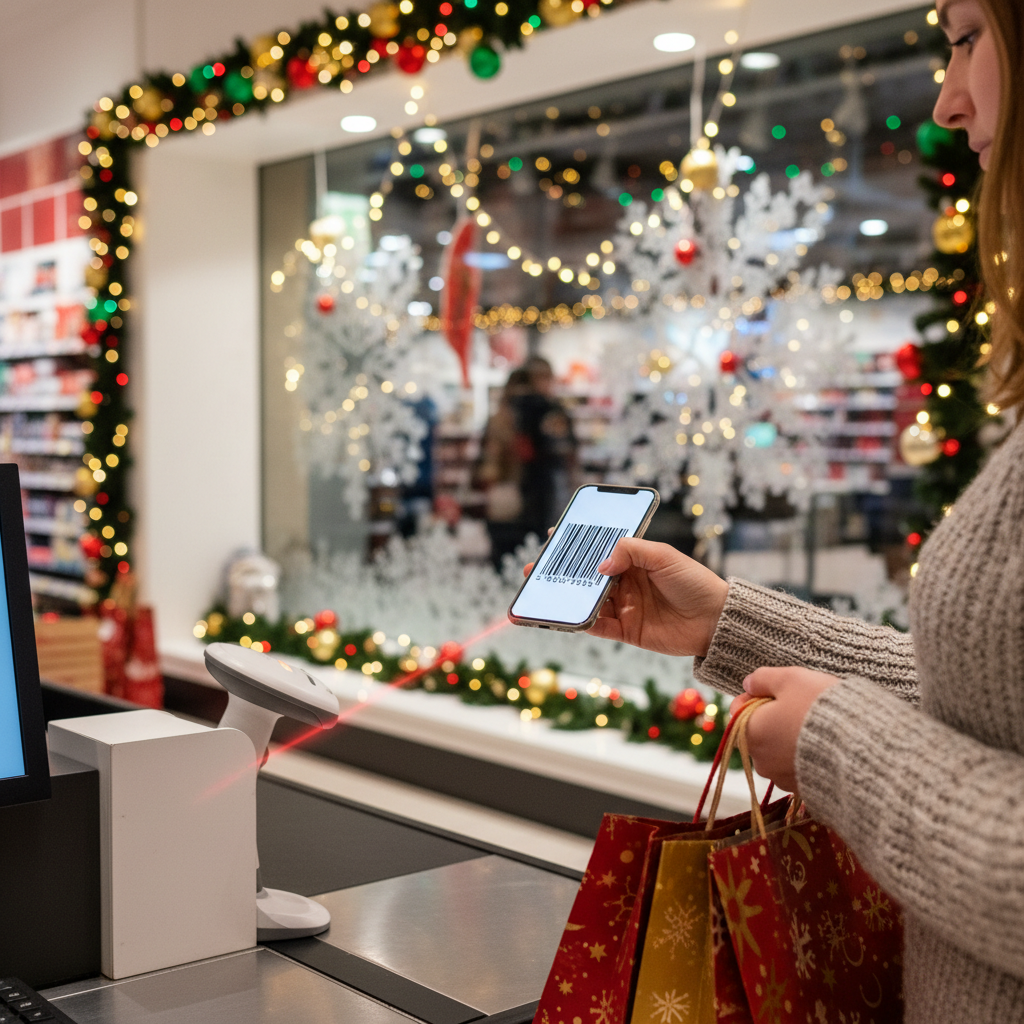
Once selected, the digital gift card is delivered instantly within the app. It can be used immediately for online purchases or scanned at physical checkout lanes. To sweeten the deal for the holiday season, PayPal is waiving transaction fees for crypto-to-gift-card conversions through the end of the year.
Why This Matters for Crypto Adoption
For years, the biggest knock on cryptocurrency has been its lack of utility in daily life. Most people buy it to hold it, treating it more like digital gold than actual money. PayPal’s new initiative tries to change that dynamic.
“Our goal is to make digital assets as practical and fluid as the cash in your physical wallet,” says Jose Fernandez da Ponte, Senior Vice President and General Manager of Blockchain, Cryptocurrency, and Digital Currencies at PayPal. “By partnering with brands consumers already trust and use daily, we are bridging the gap between web3 assets and real-world commerce.”
The move is particularly smart because it solves a tax and technical headache for users. Directly spending cryptocurrency at a register often triggers complex capital gains tax calculations for each transaction. Gift cards simplify this process, wrapping the transaction into a single, clean conversion point.
An Analytical Look at the Retail Side
Retailers are equally eager to capture this demographic. Crypto users skew younger, tech-savvier, and often have disposable income they are willing to spend if the friction is removed.
“This is a win-win for major brands,” explains Marcus Vance, a senior retail analyst at advisory group retailPulse. “They get access to a highly motivated segment of shoppers without having to integrate complex blockchain infrastructure into their own point-of-sale systems. PayPal does all the heavy lifting.”
The focus on stablecoins like PYUSD is also a key part of the strategy. While Bitcoin and Ethereum are prone to wild price swings, stablecoins offer a predictable value. PayPal has heavily promoted PYUSD over the last two years, and this integration gives users a compelling reason to use the stablecoin for practical purposes.
What Lies Ahead
This rollout represents the next phase in PayPal’s multi-year digital asset roadmap. What started as basic buying and selling in 2020 has evolved into a sophisticated financial suite. If the holiday pilot proves successful, industry insiders expect PayPal to expand the roster of retailers and potentially launch the feature internationally by early 2027.
For now, shoppers looking to turn their digital investment gains into holiday presents have a fast, fee-free way to do it. It might just be the moment crypto finally becomes a mainstream holiday shopping tool.
About the Author