Holiday shopping is stressful enough without scammers trying to drain your digital wallet. Gift cards have long been the ultimate target for online fraudsters. They are fast, untraceable, and incredibly easy to resell. To cut off these bad actors before the winter rush begins, PayPal is introducing a major upgrade to its checkout security.
A Shield Against Holiday Scams
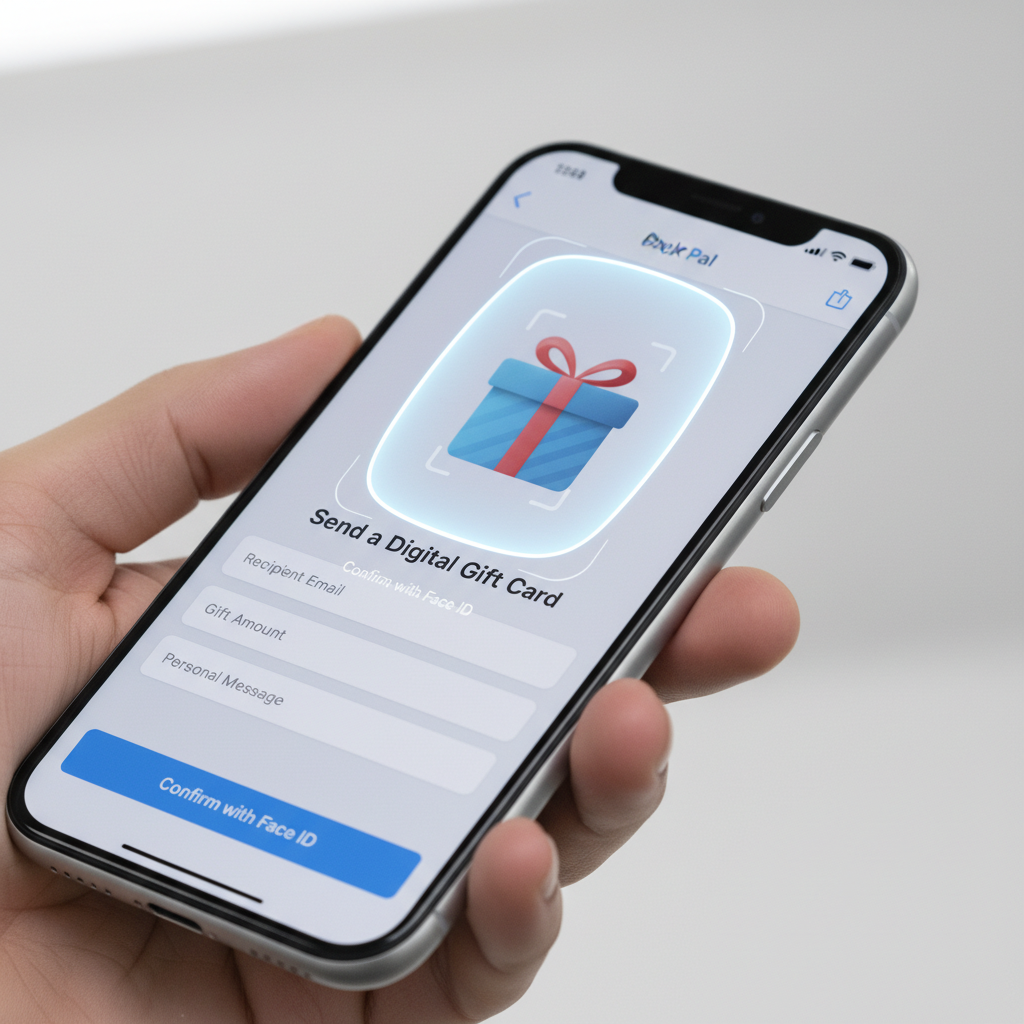
Starting this week, the payment giant is deploying new AI-powered biometric verification tools. The system specifically targets digital gift card purchases made through the PayPal app and website. If you plan to buy a digital gift card for Amazon, Target, or Apple this holiday season, you might need to scan your face or fingerprint before the transaction goes through.
This is not just another standard verification step. The backend technology relies on sophisticated machine learning models to detect suspicious behavior patterns in real-time.
“We are looking at more than just a static face scan,” says Marcus Harrison, Vice President of Identity and Fraud Solutions at PayPal. “Our new AI models analyze behavioral biometrics on the fly. It looks at how a user holds their phone, their typing cadence, and their historical transaction patterns. This lets us verify that the actual account holder is making the purchase, rather than a bot or a bad actor using stolen credentials.”
The Rising Cost of Gift Card Fraud
The timing of the rollout is no accident. Gift card scamming has turned into a massive, highly organized criminal industry. Federal Trade Commission data shows that consumers lost over $320 million to these scams last year. Fraudsters often rely on clever social engineering. They trick victims through phishing emails, fake tech support alerts, or phone calls pretending to be from government agencies, convincing them to buy gift cards and share the codes.
Once a digital gift card is purchased, the redemption code is delivered instantly. Scammers can drain the funds within seconds. Because these transactions are technically authorized by the user, banks and payment processors rarely offer refunds. Consumers are left with no way to recover their cash.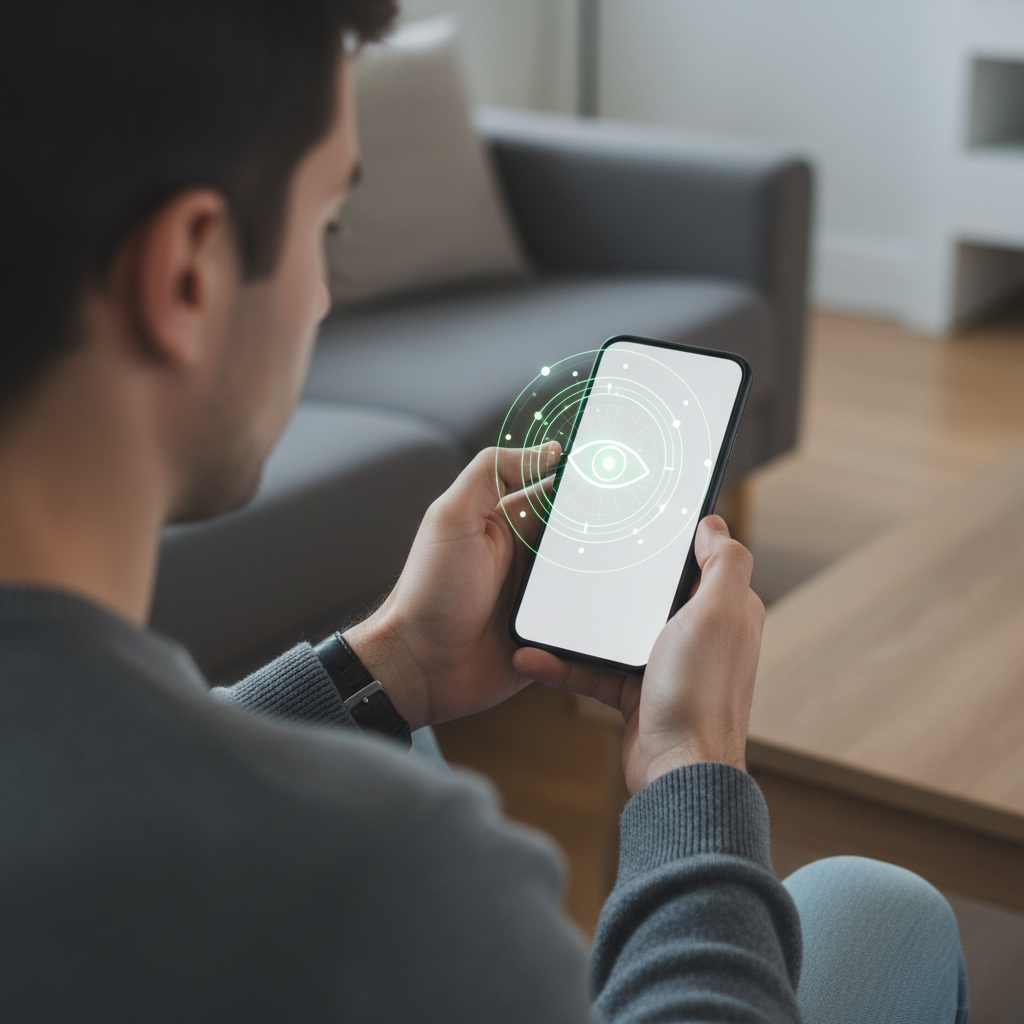
Why SMS Verification is No Longer Enough
For years, financial platforms relied on one-time SMS passcodes to verify purchases. However, in 2026, those systems are proving vulnerable to sophisticated intercept attacks. Sim-swapping and proxy-based phishing sites easily bypass traditional two-factor authentication. By moving to hardware-backed behavioral biometrics, PayPal bypasses these security holes entirely.
PayPal’s new AI system wants to break this cycle by flagging transactions that show signs of distress. For example, if a user who typically spends small amounts suddenly tries to buy multiple high-value digital gift cards late at night, the system triggers an alert. The transaction will halt, and the user must complete a live biometric scan to prove their identity.
Security is tight, but what about privacy? PayPal insists that it does not store raw biometric data on its own corporate servers. Instead, the software taps into the secure enclaves built into modern smartphones, utilizing systems like Apple’s FaceID or Android’s biometric hardware. The AI simply interprets the encrypted validation tokens generated by the device.
A Safer Digital Marketplace
While some users might find the extra step slightly annoying, PayPal believes the trade-off is well worth it. A quick face scan takes a couple of seconds, but it can stop a devastating financial loss.
“We wanted to make security both seamless and incredibly tough to bypass,” Harrison explained. “A scan takes two seconds. Those two seconds can stop an overseas scammer from stealing your hard-earned money.”
The feature is rolling out first to users in the United States, Canada, and the United Kingdom. PayPal plans to expand the behavioral AI checks to other high-risk transaction types, including peer-to-peer transfers and cryptocurrency purchases, by early next year.
About the Author