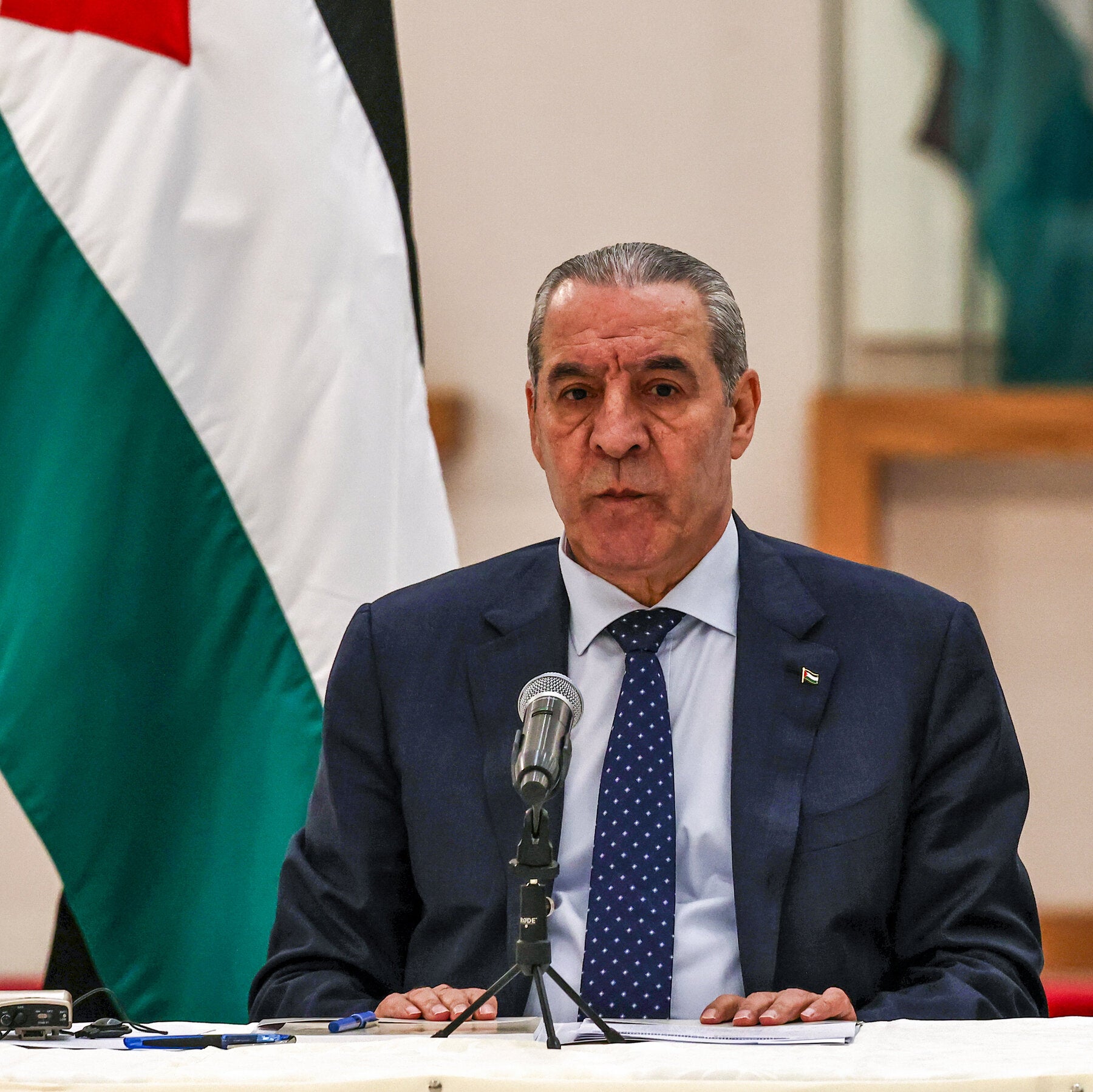
RAMALLAH — The Palestinian Authority has signaled that scheduled national elections will not take place on time, delivering a fresh blow to hopes for the first democratic ballot in Palestinian territories in over a decade and a half.
Word of the postponement surfaced through diplomatic channels. In a formal letter addressed to the French government, Palestinian officials outlined plans to defer the vote. While the communication framed the decision around unresolved logistical and sovereignty hurdles, diplomats and local observers recognize a more immediate domestic crisis: the governing party, Fatah, is tearing itself apart from within.
A Fractured Ruling Coalition
Fatah, led by aging Palestinian Authority President Mahmoud Abbas, has faced mounting friction among its top brass. In the months leading up to the expected vote, party unity crumbled into competing factions. Prominent party figures broke ranks to register independent candidate lists, defying orders from the central leadership in Ramallah.
The splits left party strategists terrified of an electoral wipeout. With Fatah votes divided among multiple rival factions, the Islamic militant group Hamas — Fatah’s primary political adversary — stood poised to make major gains across both the West Bank and Gaza.
Discontent inside Fatah is not new, but it reached a boiling point over candidate selection. The expulsion of veteran leaders like Nasser al-Kidwa, alongside the open rebellion of supporters loyal to imprisoned figure Marwan Barghouti, revealed how little control the old guard retains over younger ranks. Rather than facing voters with a splintered base, leadership opted to pull the plug.
The Stated Pretext: East Jerusalem
Publicly, officials in Ramallah point toward East Jerusalem. The Palestinian Authority insists no ballot can proceed without explicit permission from Israeli authorities to allow voting within the disputed city. Israel has maintained silence on the issue, offering neither approval nor permits for campaign activities inside municipal boundaries.

“Elections cannot happen without Jerusalem,” has become the standard defense delivered across state-run Palestinian media. It is an argument with deep emotional resonance for Palestinians everywhere, making it difficult for rival groups to dismiss outright.
Yet political rivals call it an excuse. Civil society groups and opposition leaders argue Abbas is using Israel’s anticipated refusal as political cover to dodge a humiliating defeat. They contend alternative voting arrangements — such as setting up polling stations in suburbs just outside Israeli checkpoints, or using postal ballots — could easily salvage the vote if the political will existed.
Outrage From Rivals and the Street
Reaction from across the political spectrum was swift and scathing. Hamas condemned any talk of postponement, calling it an assault on national consensus and an attempt to evade democratic accountability. Independent candidates, many of whom spent months organizing grass-roots campaigns, expressed bitter disillusionment.
On the streets of Ramallah, Nablus, and Gaza City, public apathy has largely given way to cynicism. An entire generation of Palestinians has reached adulthood without ever having cast a ballot. The last legislative elections occurred in 2006, followed by a brief, violent civil conflict that split territorial control between Fatah in the West Bank and Hamas in Gaza.
- Over 60 percent of eligible Palestinian voters are under the age of 35 and have never voted in a general election.
- Dozens of independent electoral lists, mostly comprised of professionals, academics, and youth activists, had registered to run.
- European Union monitors, who were prepared to observe polling stations, have been left in diplomatic limbo.
European Donors Caught in the Middle
The decision to notify France first highlights the delicate international balancing act facing Ramallah. European capitals provide hundreds of millions of euros annually in direct budget support and humanitarian aid to the Palestinian Authority. European leaders had pressed hard for fresh elections, hoping a new mandate would restore legitimacy to an administration increasingly viewed as out of touch and authoritarian.
Instead, Western diplomats find themselves caught in a familiar quandary. They want democratic reforms, but they also dread the prospect of a Hamas victory that could derail regional stability and collapse cooperation agreements with Israel.
For now, ordinary Palestinians are left waiting. With no alternative date on the table, the postponement looks less like a temporary delay and more like an indefinite freeze on the democratic process.
About the Author






