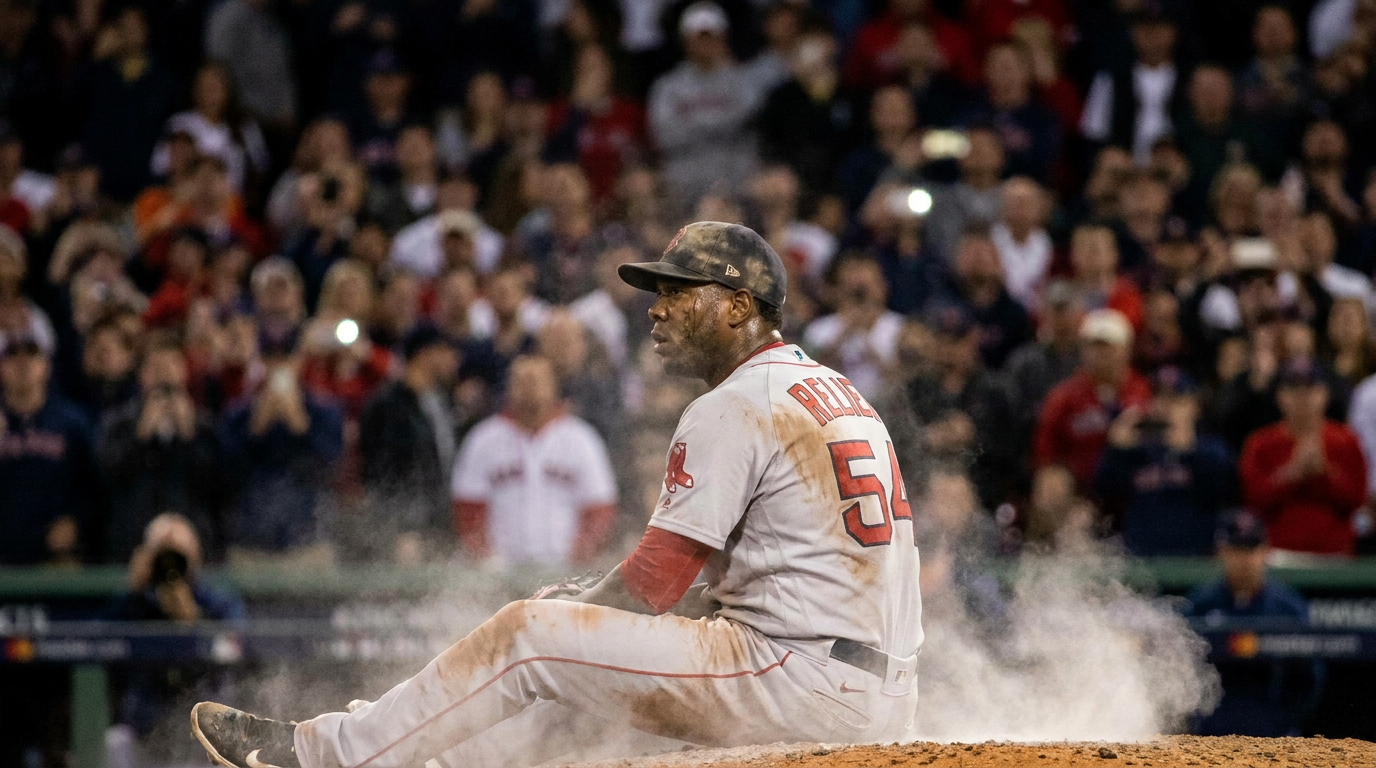
October baseball rarely gives pitchers a chance to breathe. As the 2026 Division Series pushes into decisive Game 5 matchups, the toll of five games in seven days is plainly visible on the radar guns. Fastballs that sat at 99 mph last week are clocking 96. Breaking balls are hanging just a little higher in the zone. Managers have burned through their primary high-leverage arms, turning these winner-take-all contests into an endurance test.
Running on Fumes in the Late Innings
Modern postseason baseball runs through the bullpen. Starters are pulled before they see an order three times, leaving four or five innings to relievers every single night. That aggressive deployment works brilliantly over a short weekend set. By Game 5, however, the math starts to break down.
Relievers who appeared in three of the first four games are suddenly warming up again. Velocity dips are spreading across both leagues. Pitchers are missing spots, and walks are up. The margin between a clean seventh inning and a blown save has narrowed to a fraction of an inch.
Managers know the risk. They don’t have much choice. When a season is on the line, resting an arm for tomorrow isn’t an option because tomorrow might not exist. Yet leaning on a tired setup man who lacks bite on his slider can end a postseason run faster than any managerial mistake on the bases.
The Sudden Rise of the Rookie Lifeline
With trusted veterans worn down, front offices and coaching staffs are turning to an unexpected solution: rookie arms with fresh shoulders. Young pitchers who spent most of the summer in Triple-A or working low-stress innings are suddenly getting handed the ball in ties with runners on base.

Their advantage isn’t experience; it’s health. Unlike veterans who threw 70 regular-season innings and pitched back-to-back nights all week, these rookies have live fastballs and crisp spin rates. They haven’t been scouted to death in this series. Hitters haven’t tracked their release points four times in four days.
- Fresh arms bring raw velocity back into matchups where hitters had grown used to tired relievers.
- Unfamiliar pitch shapes force opposing hitters to adjust quickly in high-pressure at-bats.
- Rookies carry none of the scar tissue from previous postseason failures.
Throwing an inexperienced pitcher into a bases-loaded jam in the sixth inning of a Game 5 is terrifying. But in a war of attrition, raw stuff often beats tired savvy.
How Game 5 Strategy Shifts Under Pressure
Winner-take-all games always twist standard pitching management. Starting pitchers might work on two days of rest, serving as bridge arms. Relievers might be asked for multiple innings rather than three quick outs. Every matchup is magnified.
All Hands on Deck
Game 1 and Game 2 starters will be in the bullpen, spikes on, ready to record three outs. Some will be effective. Others, pitching outside their routine on short rest, will struggle with their command. The real challenge falls on the catchers, who must assess within three pitches whether a teammate actually has his sharpest stuff or is bluffing his way through fatigue.
The Psychological Burden
Physical exhaustion is only half the battle. The mental grind of October takes its cut. Every 3-2 count feels like a season tipping point. Pitchers who can quiet their heart rates usually survive; those who try to throw through the wall often end up making the one mistake that ends the year.
As these series wrap up, the champions of the round won’t necessarily be the teams with the biggest payrolls or the deepest lineups. They’ll be the teams whose exhausted bullpens can find three clean outs when everything hurts, and whose young arms can handle the brightest lights without flinching.
About the Author






